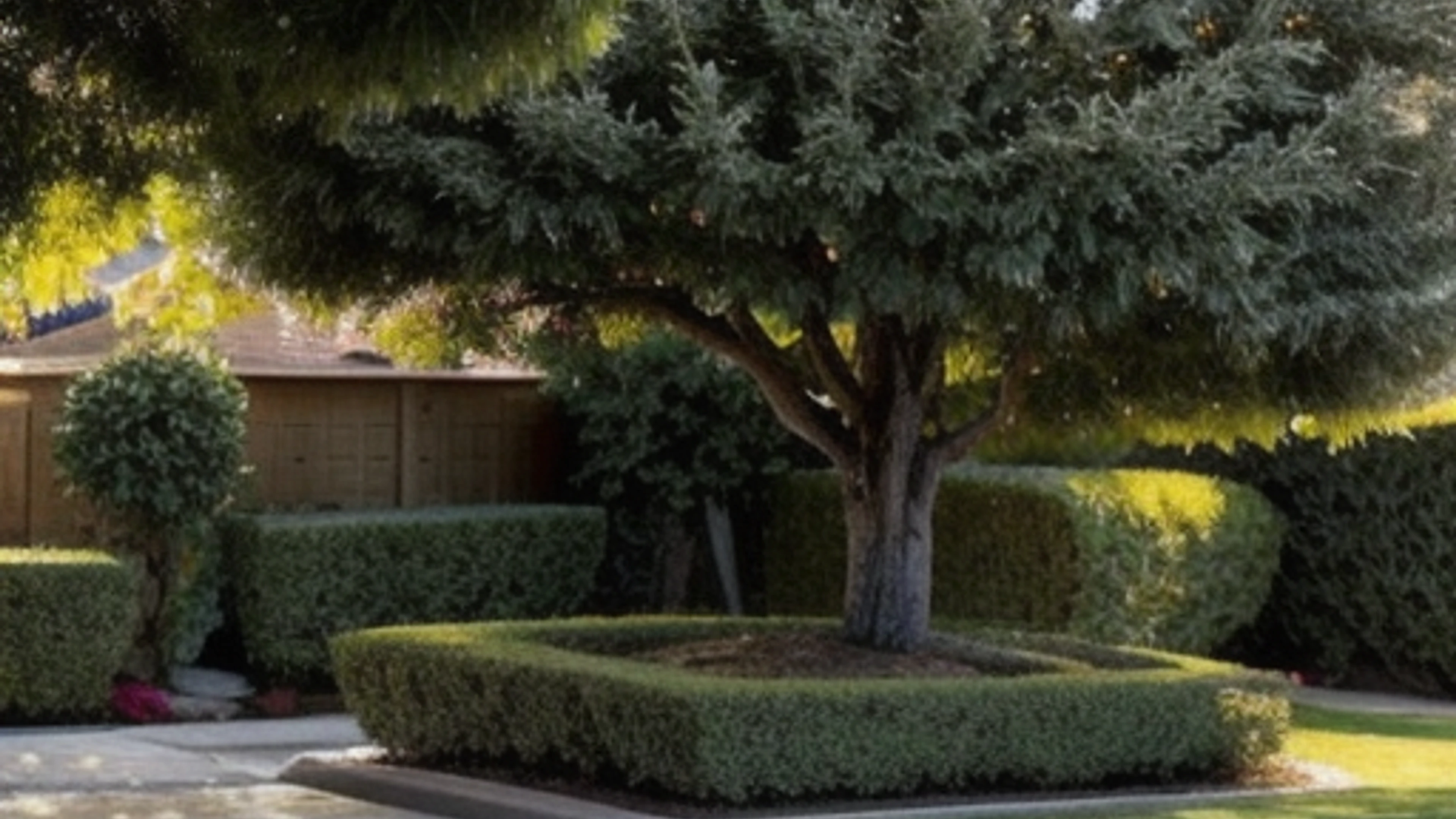
Effective Lawn Care Strategies for Yuba City Homeowners
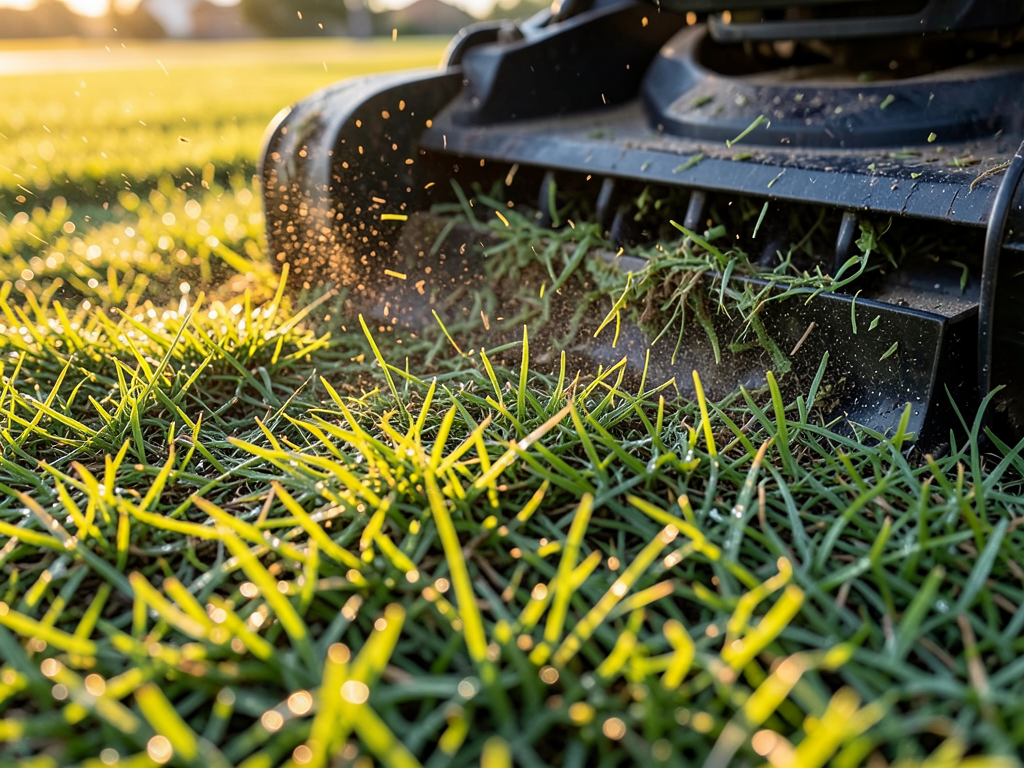
Boxpro Express provides reliable lawn care, junk removal, and handyman services across Yuba City and the surrounding Sutter County communities. Maintaining a healthy lawn is more than curb appeal—it protects your property value, reduces pest habitats, and creates a safe outdoor space for family activities. In the Yuba‑Sutter region, hot summers, occasional winter rains, and unique soil conditions demand a customized approach to turf management. This guide outlines proven strategies, local considerations, and the step‑by‑step process Boxpro Express follows to deliver consistent results.
Why Lawn Care Matters in Yuba City
The climate in Yuba City features long, dry summers with temperatures often exceeding 90°F, which stresses grass and encourages weed proliferation. Winter months bring cooler temperatures and sporadic rainfall that can lead to fungal growth if lawns are not properly aerated and fertilized. A well‑maintained lawn acts as a natural insulator, keeping soil temperatures more stable and reducing water runoff during rare storm events. Moreover, neighborhoods throughout Yuba City, Linda, and Marysville often have homeowner association guidelines that require tidy yards, making regular lawn care essential for compliance and community harmony.
Common Lawn Challenges in the Yuba‑Sutter Area
Homeowners frequently encounter several recurring issues:
- Weed invasion: Species such as crabgrass, dallisgrass, and broadleaf weeds thrive in disturbed soil and compete with desirable turf for nutrients and water.
- Soil compaction: Heavy foot traffic, equipment use, and clay‑rich subsoils create dense layers that impede root growth and water infiltration.
- Irrigation inefficiency: Over‑watering wastes resources and promotes shallow rooting, while under‑watering leads to drought stress and brown patches.
- Pest and disease pressure: Grubs, chinch bugs, and fungal pathogens like brown patch can cause significant damage if not identified early.
- Thatch buildup: A thick layer of dead organic matter prevents proper air exchange and hinders fertilizer penetration.
Addressing these challenges requires a combination of cultural practices, targeted treatments, and seasonal timing that aligns with the local growth cycles of cool‑season and warm‑season grasses common in the region.
Our Step‑by‑Step Lawn Care Process
Boxpro Express follows a proven, five‑phase methodology designed to restore and maintain healthy turf throughout the year:
- Site Assessment: Our technicians evaluate soil texture, drainage patterns, existing grass species, and problem areas. We take note of sun exposure, slope, and any irrigation system performance.
- Soil Preparation: Based on test results, we apply lime or sulfur to adjust pH, incorporate organic compost to improve structure, and perform core aeration to relieve compaction and enhance oxygen flow to roots.
- Weed and Pest Management: We use pre‑emergent herbicides in early spring to block crabgrass germination and post‑emergent treatments for existing broadleaf weeds. For insect threats, we apply targeted, environmentally responsible granules or liquid controls only when thresholds are exceeded.
- Fertilization and Seeding: A customized blend of nitrogen, phosphorus, and potassium is applied according to grass type and season. Overseeding with drought‑tolerant varieties fills thin areas and improves overall density.
- Irrigation Optimization and Maintenance: We inspect and adjust sprinkler heads for uniform coverage, recommend smart controllers that adapt to weather data, and provide guidance on deep, infrequent watering schedules that encourage deep root growth.
Each visit includes a detailed service report, photos of treated areas, and clear recommendations for the next steps. This transparent approach ensures homeowners understand the value of every treatment and can plan their lawn care budget effectively.
City‑by‑City Lawn Care Insights
While the fundamental principles of turf health apply across the Yuba‑Sutter region, each community presents distinct characteristics that influence lawn care priorities. Below we outline specific considerations for the nine cities Boxpro Express serves.
Yuba City: As the largest urban center, Yuba City features a mix of older neighborhoods with established trees and newer developments with smaller lots. Mature trees create shaded zones where grass struggles; we recommend shade‑tolerant fescue blends and regular pruning to increase light penetration. The Feather River proximity raises humidity levels in low‑lying areas, increasing the risk of fungal diseases—preventative fungicide applications in late spring help mitigate this issue.
Linda: Linda’s rapid growth means many homes have lawns installed within the last decade. These lawns often suffer from uneven settling and poor soil preparation during construction. We advise core aeration followed by top‑dressing with screened compost to smooth surface irregularities and promote uniform root development.
Marysville: The city’s older housing stock frequently includes lawns that have been overseeded with cool‑season grasses that struggle in summer heat. Transitioning to warm‑season varieties like Bermuda or zoysia in sunny areas reduces water usage and improves durability. For properties near the historic district, we focus on preserving mature landscaping while upgrading turf health.
Live Oak: Known for its tight‑knit community, Live Oak residents value low‑maintenance solutions. We recommend installing drip irrigation zones for flower beds and using mulch rings around trees to reduce competition for water. Seasonal aeration in early fall prepares lawns for winter rains and minimizes puddling.
Gridley: Surrounded by agricultural fields, Gridley properties often contend with wind‑borne weed seeds and dust. A pre‑emergent barrier applied in late winter, combined with regular mowing at the correct height, significantly reduces weed pressure. Additionally, we suggest soil gypsum applications to counteract sodium buildup from occasional irrigation with well water.
Olivehurst: With a dense residential mix of renters and owners, Olivehurst lawns experience higher foot traffic. We implement wear‑tolerant grass species and recommend periodic overseeding with perennial ryegrass to recover high‑use areas quickly. Landlords benefit from our scheduled maintenance plans that keep properties attractive year‑round.
Plumas Lake: As a newer, planned community, Plumas Lake lawns often have uniform soil but face challenges from rapid runoff due to extensive hardscaping. We design swales and recommend rain gardens to capture and infiltrate stormwater, reducing erosion and providing supplemental moisture to turf during dry spells.
Sutter: The rural character of Sutter means larger lot sizes and proximity to farmland. We address seasonal residue from neighboring fields by establishing buffer strips of native grasses that trap debris and provide habitat for beneficial insects. For properties with livestock, we advise regular manure composting to prevent nitrogen overload on turf.
Wheatland: Wheatland’s small‑town atmosphere and ranch‑style properties benefit from low‑input lawn care strategies. We promote the use of native grass mixes that require minimal fertilization and are adapted to the local soil profile. Occasional controlled burns in early spring, where permitted, help remove thatch and stimulate vigorous growth.
Understanding these local nuances allows Boxpro Express to tailor each service visit, ensuring that every lawn receives the precise treatments it needs to thrive in its specific environment.
Frequently Asked Questions
- How often should I aerate my lawn in Yuba City?
- For most lawns in the Yuba‑Sutter area, annual core aeration in early fall is sufficient. If your soil is heavy clay or experiences high foot traffic, a second aeration in late spring can further improve drainage and root development.
- What is the best time to overseed my lawn?
- Early fall, between mid‑September and mid‑October, offers ideal soil temperatures and reduced weed competition for grass seed establishment. Overseeding in spring is possible but requires diligent irrigation and weed control to prevent seedlings from being outcompeted.
- How can I reduce my water bill while keeping my lawn healthy?
- Install a smart irrigation controller that adjusts watering based on real‑time weather data, ensure sprinkler heads are properly aligned to avoid overspray on hardscapes, and water deeply but infrequently—typically two to three times per week during peak summer, delivering about one inch of water per session.
- Are organic lawn care options effective in this climate?
- Yes. Organic fertilizers such as composted poultry manure or seaweed blends provide slow‑release nutrients that improve soil microbiology. When combined with proper mowing height and aeration, organic programs can maintain a dense, green lawn while reducing chemical inputs.
- What should I do if I notice brown patches appearing despite regular watering?
- Brown patches can stem from fungal disease, insect activity, or localized compaction. We recommend a professional diagnosis: our technicians will inspect the affected area, perform a soil plug test if needed, and prescribe a targeted treatment plan—whether it’s a fungicide application, grub control, or additional aeration.
Boxpro Express LLC · 175 Nantucket Way, Yuba City, CA 95993 · (530) 443-8990
Ready to Build in Yuba City? Design Online or Talk with Jessica.
Lock in your transparent ballpark price in 60 seconds with our interactive 3D configurator, or talk live with Jessica, our project concierge, for instant answers and next Sunday measurement walk reservations.
Related Field Guides & Architectural Case Studies
Hand-framed 10x12 & 15x8 detached studios • 4-day builds • 100% permit-exempt under CRC § R105.2