
Is Your Yuba City Lawn Dying in the Heat- Here's the Landscaping Fix That Survives 105°F
 deck building in Yuba City, California" class="forge-hero-image" style="width:100%;height:auto;border-radius:8px;margin-bottom:1.5rem;object-fit:cover;" loading="eager" />
Why Landscaping Yuba City Matters More Than You Think
Landscaping yuba city isn’t just about keeping grass green; it’s a vital fire‑prevention step that many homeowners overlook until dry foxtail and dead grass creep too close to the house.
Here’s a surprising LOCAL FACT: Yuba City’s Sacramento Valley heat regularly pushes temperatures above 105°F, and the tule fog often lingers into mornings, turning lawns into tinder by mid‑summer. When that dry vegetation touches a wooden fence, shed, or wall, it creates a direct path for fire — a condition local officials flag as a fire code violation.
That risk is why smart landscaping yuba city goes beyond aesthetics. A well‑maintained lawn acts as a firebreak, reducing the fuel that can carry flames toward your home. Simple actions like regular edging, proper irrigation, and removing dead growth make a real difference when the valley stays hot and humidity drops.
We see this pattern across our nine service cities — Yuba City, Linda, Marysville, Live Oak, Gridley, Olivehurst, Plumas Lake, Sutter, and Wheatland. In neighborhoods near the Feather River corridor, the combination of river‑bottom soils and intense sun accelerates grass growth in spring, only to leave thick, dry mats by late summer. Out near the almond orchards that line the western edge of the valley, the same heat that nurtures the crops also dries out residential lawns faster than many expect.
Take a quick walk around your property and look for trouble spots: grass taller than three inches near siding, weeds pushing up against wooden decks, or clumps of dead material tucked behind shrubs. Addressing these issues early not only keeps your yard looking neat but also creates a defensible space that firefighters rely on.
Boxpro Express knows the Yuba‑Sutter landscape because we live and work here. Our crews are familiar with the specific challenges posed by the Sutter Buttes backdrop, the valley’s heat cycles, and the seasonal shifts that turn green lawns into potential fuel. We don’t just cut grass; we evaluate each yard for fire risk, recommend proper watering schedules, and remove hazardous debris before it becomes a problem. Besides our lawn care service, we also provide junk removal and handyman support across the nine cities.
If you’re unsure where to start, a free lawn care estimate gives you a clear picture of what your yard needs.
Unique Lawn Care Challenges for Yuba City Homeowners
Living in the Sacramento Valley means your lawn care routine faces a unique mix of heat, soil, and seasonal rhythms that demand a tailored approach. The flat terrain near the Feather River corridor brings rich, loamy soils that stay moist in winter but bake hard under summer sun. Meanwhile, the western edge of Yuba City borders extensive almond orchards, and the ever‑present Sutter Buttes silhouette reminds residents that they are farming in a true valley climate.
Heat‑Driven Growth Cycles
From late March through early spring, temperatures begin to climb, and Bermuda grass or warm‑season blends start to push upward growth. By May, daytime highs often sit in the low 90s, and by July they regularly breach 105°F. This rapid growth means grass can exceed the three‑inch height limit set by many homeowners’ associations within a week if mowing is delayed. The opposite happens in late summer: growth slows, the lawn turns straw‑brown, and thatch builds up quickly, creating a fire‑ready carpet near foundations and fences.
Fire Safety and Defensible Space
Yuba City fire officials stress the importance of a defensible space around structures, especially in neighborhoods that back onto open fields or the river levee. Tall, dry grass is a prime fuel source, and weeds that go to seed can ignite easily under a stray spark. Keeping grass trimmed to two inches or less, removing dead clippings, and clearing weeds from fence lines and deck edges reduces ignition risk. Many residents pair lawn care with junk removal to clear old furniture, broken tools, or stacked pallets that could become tinder.
Soil Types and Water Management
The valley’s soil varies from sandy loam near the river to heavier clay in the inland pockets. Sandy areas drain fast, requiring more frequent irrigation during peak heat, while clay‑rich zones hold water longer but can become compacted, limiting root growth. A smart irrigation schedule—deep, infrequent watering early in the morning—helps encourage deep roots and reduces evaporation loss. Overwatering, especially in clay spots, invites fungal diseases and wastes precious water in a region where every drop counts.
Common Weeds and Pest Pressures
Warm seasons bring aggressive weeds like crabgrass, goathead, and puncturevine, which thrive in disturbed soil along driveways and garden beds. Broadleaf weeds such as dandelion and clover can take hold in thinner turf. Insect pressure from lawn‑feeding grubs and sod webworms spikes when the soil stays warm and moist from evening irrigation.
Lawn Care Services Tailored for Yuba City Homes
Living in the Sacramento Valley means your lawn faces unique challenges: intense summer heat that pushes past 105°F, thick tule fog that lingers in winter mornings, and soil that shifts from sandy loam near the Feather River to heavier clay in the inland pockets of Gridley and Olivehurst. A healthy lawn not only boosts curb appeal but also creates a defensible space that reduces fire risk around homes backed by open fields or the river levee.
Boxpro Express offers comprehensive lawn care across our nine service cities: Yuba City, Linda, Marysville, Live Oak, Gridley, Olivehurst, Plumas Lake, Sutter, and Wheatland. Whether you own a modest lot in Linda or a larger property overlooking the Sutter Buttes, we customize each visit to your turf type, sun exposure, and irrigation setup.
Core Lawn Care Services We Provide
- Seasonal mowing schedule – cutting height adjusted to grass variety and weather, keeping Bermuda and fescue at two inches or less to limit fuel for stray sparks.
- Precision edging along driveways, sidewalks, and fence lines – creates clean borders that improve appearance and eliminate hiding spots for weeds.
- Weed suppression using pre‑emergent and post‑emergent treatments timed for crabgrass, goathead, and puncturevine cycles common in Yuba‑Sutter soils.
- Fertilization plans based on soil tests – nitrogen‑rich blends for sandy zones near the river, balanced formulas for clay‑heavy areas in Wheatland and Sutter.
- Aeration and overseeding – relieves compaction in clay spots and introduces drought‑tolerant grass varieties that survive valley heat.
- Irrigation system check – ensures heads are adjusted for early‑morning, deep watering cycles that reduce evaporation and prevent fungal growth in clay soils.
- Seasonal cleanup – removal of dead clippings, fallen leaves after almond harvest, and debris that could ignite during dry periods.
“The crew showed up on time, cut my Bermuda down to two inches, and left the edges sharp. My yard looks ready for summer.” — Nick H, Yuba City
What Yuba City Homeowners See Before and After Boxpro Lawn Care
Before Boxpro
Patchy, overgrown grass; weeds creeping into garden beds; dry clippings piled near the fence; uneven edges that trap litter.
After Boxpro
Uniform, green turf at safe height; clean borders free of weeds; clippings removed or mulched; irrigation tuned for efficient water use.
Real Yuba-Sutter Lawn Transformations: Before & After Boxpro
These are conditions our crew actually encounters on Yuba City properties — and what we leave behind. From the dry, cracked earth of Olivehurst parkways where puncturevine thrives in the shoulder of Highway 99, to the neglected lawns of Plumas Lake rentals that go weeks between mowings during almond harvest, we see the real challenges Valley homeowners face. Our crew doesn't just mow; we diagnose soil compaction from years of clay-heavy soil, adjust irrigation for the Feather River microclimate, and treat invasive weeds like goathead before they take over.
In the Sacramento Valley's intense heat that regularly tops 105°F, lawns suffer from compaction, improper watering schedules, and invasive weeds like puncturevine and goathead. We've seen everything from almond orchard debris smothering grass in Sutter after harvest to fruit tree roots taking over Marysville backyards where old walnut groves once stood. Each property tells a story of neglect — whether it's a Live Oak corner lot overrun with tumbleweeds or a Wheatland pasture turned to dust — and we turn that story into one of renewal with drought-tolerant grass blends and soil amendments tailored to Sutter County's unique earth.
Real Yuba-Sutter lawn results — no stock photos
| Before Boxpro | After Boxpro Express |
|---|---|
| Plumas Lake rental property — lawn dead from lack of care, one week to list on market | Emergency cleanup and overseeding completed in 2 visits — curb appeal restored for listing photos |
| Corner lot in Olivehurst — 4-foot dry weeds on parkway strip, city notice posted on gate | Strip mowed, weeds removed, edges defined — city notice satisfied within 5 days |
| Marysville backyard — 40-year-old fruit trees dropping, grass gone, bare dirt and root zone | Roots cleared, soil amended, drought-tolerant ground cover established — manageable and fire-safe |
See more real transformations like these on our Stories page, where we detail how we turned a Gridley farmstead's weed-choked yard into a fire-safe oasis, or watch the transformation process in action on our Reels, featuring a Live Oak resident's yard before and after our seasonal cleanup. Every yard in Yuba-Sutter tells a story — let us help yours thrive with a free estimate and a plan built for our Valley's unique climate.
Lawn Care Pricing in Yuba City: What You Really Pay For
When you search for lawn care in Yuba City, you quickly see a wide range of quotes. Some flyers advertise a low monthly fee, while others hide extra charges for fuel, travel, or disposal. At Boxpro Express, we believe pricing should be clear from the start, so you know exactly what you pay for and why.
Ready to get a transparent quote? Call us today at (530) 443-8990 or visit /lawn-care to schedule your free, no‑obligation estimate.
Ready to Build in Yuba City? Design Online or Talk with Jessica.
Lock in your transparent ballpark price in 60 seconds with our interactive 3D configurator, or talk live with Jessica, our project concierge, for instant answers and next Sunday measurement walk reservations.
Related Field Guides & Architectural Case Studies
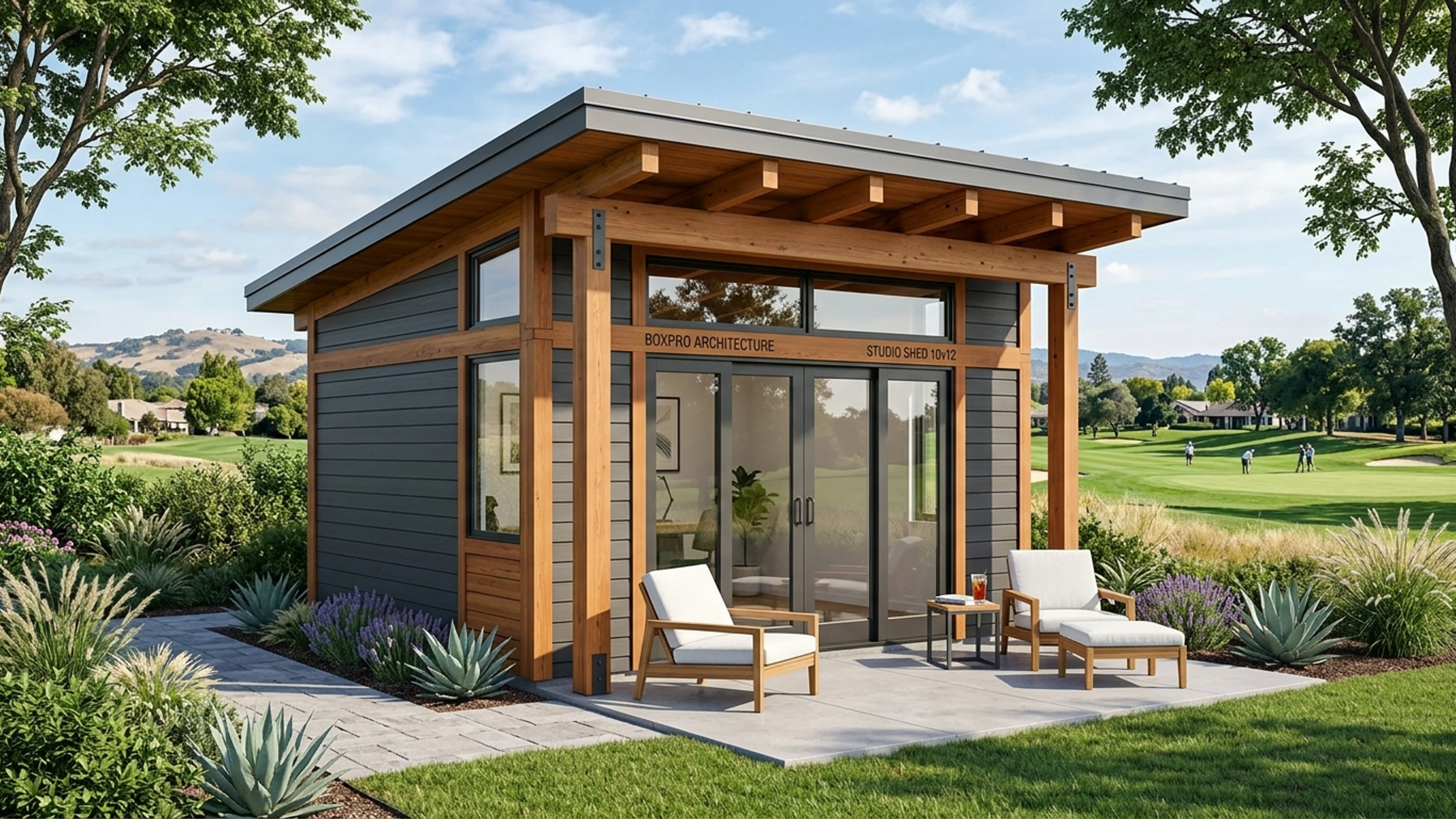
Hand-framed 10x12 & 15x8 detached studios • 4-day builds • 100% permit-exempt under CRC § R105.2








Explore Local Yuba-Sutter Services & Instant Quotes
Custom Western Red Cedar Shed Builders Across Sutter, Yuba, Placer & Sacramento Counties
Boxpro Express provides local on-site custom shed construction with zero travel surcharges across our 45-mile service corridor. Select your city and preferred model below to view local building codes, foundation specs, and architectural CAD blueprints. For custom inquiries or immediate site scheduling, call (530) 443-8990.
Complete 96 Local Service Area & Shed Model Matrix
100% Permit-Exempt CRC § R105.2 (120 Sq Ft)120 Sq Ft Ground Footprint
- Sutter Studio MarysvilleCA
- Sutter Studio Plumas LakeCA
- Sutter Studio Live OakCA
- Sutter Studio SutterCA
- Sutter Studio WheatlandCA
- Sutter Studio OlivehurstCA
- Sutter Studio GridleyCA
- Sutter Studio Yuba CityCA
- Sutter Studio LincolnCA
- Sutter Studio RosevilleCA
- Sutter Studio SacramentoCA
- Sutter Studio RocklinCA
- Sutter Studio LoomisCA
- Sutter Studio Granite BayCA
- Sutter Studio AuburnCA
- Sutter Studio FolsomCA
120 Sq Ft Ground Footprint
- Sierra Heritage MarysvilleCA
- Sierra Heritage Plumas LakeCA
- Sierra Heritage Live OakCA
- Sierra Heritage SutterCA
- Sierra Heritage WheatlandCA
- Sierra Heritage OlivehurstCA
- Sierra Heritage GridleyCA
- Sierra Heritage Yuba CityCA
- Sierra Heritage LincolnCA
- Sierra Heritage RosevilleCA
- Sierra Heritage SacramentoCA
- Sierra Heritage RocklinCA
- Sierra Heritage LoomisCA
- Sierra Heritage Granite BayCA
- Sierra Heritage AuburnCA
- Sierra Heritage FolsomCA
180 Sq Ft Usable Storage Area
- Valley Vault MarysvilleCA
- Valley Vault Plumas LakeCA
- Valley Vault Live OakCA
- Valley Vault SutterCA
- Valley Vault WheatlandCA
- Valley Vault OlivehurstCA
- Valley Vault GridleyCA
- Valley Vault Yuba CityCA
- Valley Vault LincolnCA
- Valley Vault RosevilleCA
- Valley Vault SacramentoCA
- Valley Vault RocklinCA
- Valley Vault LoomisCA
- Valley Vault Granite BayCA
- Valley Vault AuburnCA
- Valley Vault FolsomCA
96 Sq Ft Ground Footprint
- NorCal Lean-To MarysvilleCA
- NorCal Lean-To Plumas LakeCA
- NorCal Lean-To Live OakCA
- NorCal Lean-To SutterCA
- NorCal Lean-To WheatlandCA
- NorCal Lean-To OlivehurstCA
- NorCal Lean-To GridleyCA
- NorCal Lean-To Yuba CityCA
- NorCal Lean-To LincolnCA
- NorCal Lean-To RosevilleCA
- NorCal Lean-To SacramentoCA
- NorCal Lean-To RocklinCA
- NorCal Lean-To LoomisCA
- NorCal Lean-To Granite BayCA
- NorCal Lean-To AuburnCA
- NorCal Lean-To FolsomCA
120 Sq Ft Ground Footprint
- Sutter Executive 15x8 MarysvilleCA
- Sutter Executive 15x8 Plumas LakeCA
- Sutter Executive 15x8 Live OakCA
- Sutter Executive 15x8 SutterCA
- Sutter Executive 15x8 WheatlandCA
- Sutter Executive 15x8 OlivehurstCA
- Sutter Executive 15x8 GridleyCA
- Sutter Executive 15x8 Yuba CityCA
- Sutter Executive 15x8 LincolnCA
- Sutter Executive 15x8 RosevilleCA
- Sutter Executive 15x8 SacramentoCA
- Sutter Executive 15x8 RocklinCA
- Sutter Executive 15x8 LoomisCA
- Sutter Executive 15x8 Granite BayCA
- Sutter Executive 15x8 AuburnCA
- Sutter Executive 15x8 FolsomCA
40 Sq Ft Ground Footprint (Also available in 4x8 & 4x12)
- Lincoln Lean-To 4×10 MarysvilleCA
- Lincoln Lean-To 4×10 Plumas LakeCA
- Lincoln Lean-To 4×10 Live OakCA
- Lincoln Lean-To 4×10 SutterCA
- Lincoln Lean-To 4×10 WheatlandCA
- Lincoln Lean-To 4×10 OlivehurstCA
- Lincoln Lean-To 4×10 GridleyCA
- Lincoln Lean-To 4×10 Yuba CityCA
- Lincoln Lean-To 4×10 LincolnCA
- Lincoln Lean-To 4×10 RosevilleCA
- Lincoln Lean-To 4×10 SacramentoCA
- Lincoln Lean-To 4×10 RocklinCA
- Lincoln Lean-To 4×10 LoomisCA
- Lincoln Lean-To 4×10 Granite BayCA
- Lincoln Lean-To 4×10 AuburnCA
- Lincoln Lean-To 4×10 FolsomCA
Need custom interior electrical, drywall finishing, or subfloor repair? Explore our handyman services.
Have an old dilapidated wooden shed or junk taking up backyard space? We haul it away before your new build.
Pair your new Western Red Cedar shed with custom timber decking, paver pathways, or tree stump grinding.