Why Yuba City's Fire Season Makes Junk Removal a Necessity
Professional junk-removal in Yuba City. Boxpro Express offers same-day service and free estimates. Call (530) 978-8081.
Yuba City doesn’t just welcome summer; it anticipates it. There is a distinct rhythm to Valley living, one marked by golden-hour light over mature sycamores, weekend gatherings on shaded patios, and the quiet confidence of a home that feels entirely your own. Yet beneath that curated California lifestyle lies an environmental reality every attentive property owner respects. When the Central Valley transitions into its long, arid stretch, the air tightens, vegetation cures, and the landscape shifts into a state of heightened sensitivity. In this climate, preparedness is not a seasonal chore. It is a foundational element of modern property stewardship. At Boxpro Express, we treat exterior clearance as architectural maintenance. Removing accumulated materials isn’t simply about clearing space. It’s about engineering resilience. When fire season approaches, strategic junk removal becomes one of the most effective, immediate, and non-negotiable steps you can take to protect your home, your landscape, and your peace of mind.
The Hidden Ignition Points Lurking in Plain Sight
Most property damage begins far from the flames themselves. It starts with what’s already sitting on your lot, quietly altering the thermal behavior of your outdoor environment.
How Clutter Becomes Catalyst
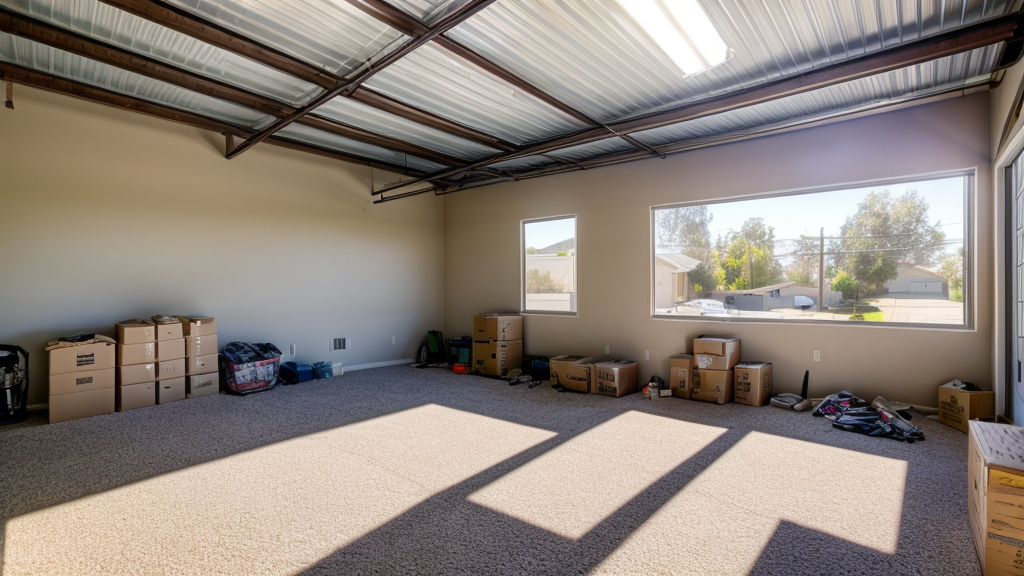
Discarded items rarely look dangerous until environmental conditions change. A stack of weathered wooden pallets, a collection of faded patio cushions left under a dusty tarp, or a dense accumulation of broken fencing and dry landscaping debris all share one dangerous trait: high surface-area-to-volume ratios. When summer heat drives moisture out of surrounding vegetation, these materials don’t just sit. They cure. They absorb ambient dryness until they reach a state where even a single spark can trigger rapid combustion. Cardboard boxes stored along a garage wall, abandoned project materials, and tightly packed refuse create fuel beds that burn hotter and longer than natural ground cover. More importantly, they often sit directly within ember pathways—areas where wind currents naturally concentrate drifting debris. What looks like harmless storage is, in reality, a thermal amplifier waiting for the right conditions.
The Physics of Ember Intrusion
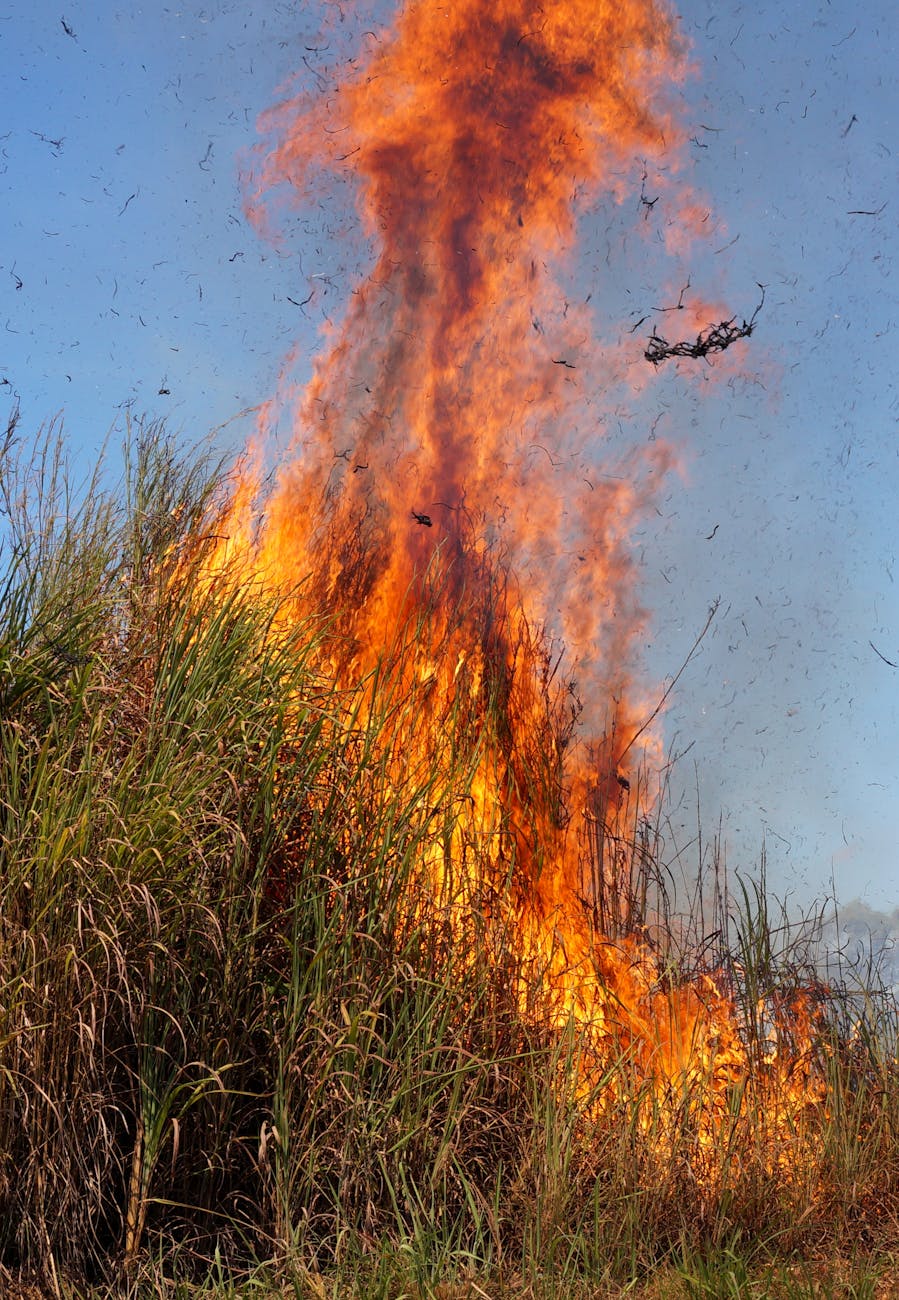
Fire behavior in Northern California’s valley-floor communities follows predictable aerodynamic patterns. Wind-driven embers routinely travel thousands of feet ahead of any active burn zone. They don’t move in straight lines; they funnel, drop, and lodge in structural vulnerabilities. Junk piles, improperly stored materials, and neglected perimeter accumulations act as primary ignition receptors. Once an ember catches a dry, porous surface, the resulting flame can generate enough radiant heat to bypass traditional siding and ignite rooflines, vents, or nearby vegetation within minutes. Clearance reduces receptor surfaces. It removes the bridge between airborne embers and combustible structures. Strategic hauling doesn’t just tidy your lot. It disrupts the chain of ignition.
Yuba City’s Unique Climate Puzzle
Understanding Valley fire risk requires looking beyond generic wildfire maps. Yuba City’s microclimate, topography, and urban-wildland interface create conditions that demand localized, intentional property management.
Sutter County’s Summer Dynamics
The Sacramento Valley’s dry summer season is characterized by prolonged high-pressure systems that suppress humidity while elevating ambient temperatures. Oak woodlands, valley grasses, and drought-adapted shrubs naturally enter dormancy, transitioning from green to cured brown within weeks. This vegetation cycle creates a consistent, widespread fuel bed that responds rapidly to ignition. In residential corridors, human-sourced materials compound this baseline risk. Yuba City’s summer winds—often dry and persistent from the northwest—accelerate moisture loss across open spaces, meaning materials left exposed degrade into ready fuel much faster than in coastal or mountainous zones. Property management must adapt to this accelerated timeline, treating exterior clearance as continuous maintenance rather than a seasonal reset.
The Feather River Corridor & Wind Patterns
Yuba City’s proximity to the Feather River and its broader alluvial plain fundamentally shapes local airflow. River corridors naturally channel and compress wind patterns, creating localized gusts that move unpredictably through residential neighborhoods. These wind corridors can push embers over streets, into courtyards, and beneath eaves without warning. The result is a need for consistent, measurable clearance around foundations, driveways, and secondary structures. What works as adequate spacing on a flat, inland lot may fall short near natural air pathways. Recognizing how topography influences fire behavior is the first step toward designing a perimeter that actively resists ember penetration and reduces radiant heat exposure.
Building a Defensible Perimeter Through Strategic Clearance
Effective fire-ready property maintenance relies on structure, not sentiment. Creating measurable clearance requires knowing exactly what to prioritize, where it sits, and how to remove it without compromising your landscape architecture.
Zone Zero to Three: Beyond the Checklist
Fire-resilient planning traditionally divides space into defensible zones. Zone Zero, extending zero to five feet from structures, demands absolute clearance. This means no firewood stacks, no dense shrubbery against siding, no accumulated plant debris, and absolutely no stored materials resting near the building envelope. Zone One, stretching five to thirty feet outward, focuses on spacing and fuel reduction. Large accumulations break apart. Ladders are removed from walls. Flammable outdoor storage relocates. Working through these zones methodically requires heavy lifting, precise sorting, and an understanding of how materials interact with irrigation lines, mature root systems, and drainage gradients. Professionals approach these zones holistically, ensuring clearance enhances rather than compromises landscape health. A cleared perimeter shouldn’t look barren. It should look intentional.
What Actually Needs to Go? Materials, Locations, Volume
Not everything in your space poses equal risk. The priority list is straightforward. Remove cured organic debris that exceeds three inches in depth. Break up or haul dense accumulations of broken hardscaping, warped fencing, and abandoned construction scrap. Clear out unused lawn debris, including old rake bags, dried leaf mats, and compressed yard waste that never made it to a compost cycle. Relocate or dispose of deteriorated outdoor furniture, cracked planters, and tarps that trap moisture underneath while holding embers on top. Pay special attention to side yards and rear corridors, where storage tends to accumulate unnoticed. Volume matters. Tightly packed debris retains ambient heat, blocks visual access, and impedes emergency navigation. Spacing out remaining materials to at least ten-foot intervals, combined with consistent hauling of excess, dramatically reduces radiant transfer potential.
The Professional Edge in Property Preparedness
Attempting to clear high-volume debris yourself introduces physical strain, logistical bottlenecks, and incomplete hazard mapping. A trained hauling service transforms clearance from a weekend burden into a calibrated property upgrade.
Precision Over Panic
DIY hauling often prioritizes speed over strategy. Heavy items get dragged, not lifted. Valuable sorting opportunities vanish into mixed loads. Irrigation lines get nicked, grading gets disturbed, and high-risk corners get overlooked entirely. Professional crews work with purpose. They assess material types, identify structural vulnerabilities, and execute removal in a sequence that minimizes landscape disruption while maximizing clearance accuracy. Awkward spaces, steep access points, and dense accumulations that strain backyard gates become straightforward routing tasks. The process stays clean, controlled, and fully aligned with fire-resilient spacing standards. You retain your weekends. Your property gains measurable clearance.
Eco-Conscious Disposal & Local Compliance
Responsible removal extends beyond your lot line. Accumulated debris requires systematic sorting to align with regional waste streams. Metals route to recycling. Recoverable wood separates from treated demolition scraps. Yard waste channels into appropriate processing facilities rather than open piles. Professionals coordinate these streams efficiently, avoiding improper staging, unnecessary landfill volume, and non-compliant disposal practices. This approach reduces environmental impact while maintaining the integrity of your clearance efforts. Your property stays clean from foundation to facility. You don’t carry the logistical weight, and your materials leave your space with purpose.
Elevating Your Property’s Resilience
Fire readiness and refined outdoor living are not mutually exclusive. In fact, strategic clearance consistently reveals the best version of a landscape. Thoughtful removal uncovers architectural sightlines, extends usable patio space, and restores the intentional flow between indoors and outdoors. A well-managed perimeter doesn’t strip away character. It removes compromise. Properties that maintain consistent exterior clearance command stronger curb presence, experience fewer maintenance emergencies, and retain long-term asset stability regardless of seasonal shifts. Resilience is not reactive. It is designed.
When Yuba City’s air dries and the winds shift, your exterior tells the story of your preparation. Let it reflect intention, precision, and uncompromising care. Boxpro Express handles the heavy lifting, strategic sorting, and meticulous hauling so you can reclaim your space, protect your structure, and enjoy the Valley lifestyle without reservation.
Take command of your perimeter. Schedule your property clearance today and experience the standard Yuba City homeowners trust.
Call (530) 978-8081
❓ Why does fire season increase the need for junk removal in Yuba City?
During fire season, dry vegetation, old furniture, and debris can become fuel for wildfires. Removing these items reduces ignition sources around homes and businesses, helping protect the Yuba‑Sutter community.
❓ How can Boxpro Express help residents prepare their properties for fire season?
Based in Yuba City and reachable at (530) 978-8081, we provide same‑day junk removal of yard waste, broken appliances, and clutter that could otherwise accumulate near structures and increase fire risk.
❓ What types of junk are most hazardous during a wildfire?
Flammable materials such as dry leaves, pine needles, old cardboard, paper stacks, and untreated wood are especially dangerous. Removing these items lowers the chance that a stray spark will ignite a larger blaze.
❓ Is there a best time of year to schedule junk removal for fire‑season prep?
Late winter through early spring is ideal. Scheduling a clean‑up before the dry months (typically May–October) ensures your property is clear when fire danger peaks.
❓ How quickly can Boxpro Express respond to a junk‑removal request in Yuba City?
We aim for same‑day or next‑day service within the Yuba City area. Call (530) 978-8081 to check availability and get a fast, no‑fluff quote.
Ready to Build in Yuba City? Design Online or Talk with Jessica.
Lock in your transparent ballpark price in 60 seconds with our interactive 3D configurator, or talk live with Jessica, our project concierge, for instant answers and next Sunday measurement walk reservations.