Boxpro ExpressHaul & Handyman
CALL (530) 978-8081

Yuba City & Marysville

Back to Blog
deck-buildingJune 26, 2026 at 10:08 AM (CA Time)

Cost Savings: DIY Hauling vs Professional Services for Deck Building in Yuba City
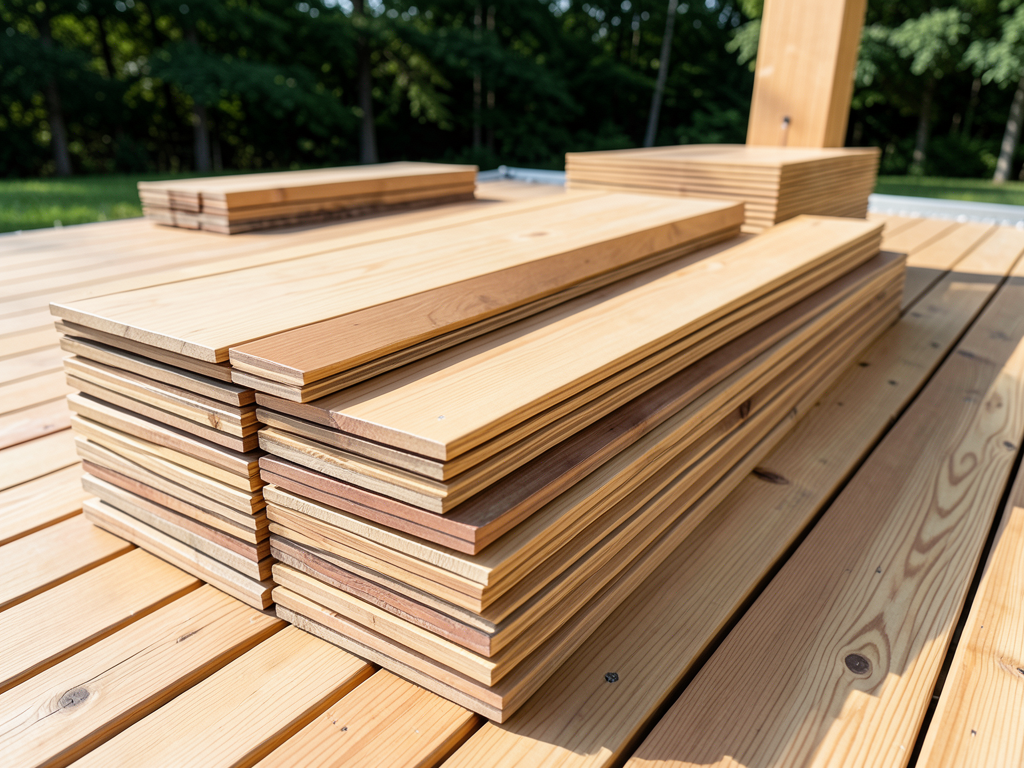
Cost Savings: DIY Hauling vs Professional Services for Deck Building in Yuba City in Yuba City
Boxpro Express deck building Yuba City

Welcome to the world of deck building in Yuba City! As a local expert, we’re here to help you create a beautiful and functional outdoor space. Building a deck is a significant investment, and it’s crucial to do it right to ensure years of enjoyment. Let’s dive into the key considerations for a successful deck project.

Understanding the Basics – Why Decking Matters

A deck isn’t just a place to sit; it’s an extension of your home, offering relaxation, entertainment, and a stunning view. A poorly designed deck can quickly become a liability. Proper planning and execution are paramount.

1. Planning is Key – Before You Dig

  • Local Regulations: Yuba City has regulations regarding deck construction. Check with the city planning department to understand setbacks, height restrictions, and permit requirements.
  • Soil Testing: The soil beneath your deck will significantly impact its stability. A soil test reveals drainage issues, compaction, and potential for settling.
  • Design Considerations: Consider your budget, the available space, and your desired aesthetic. A simple rectangular deck is easier to build than a complex, multi-level one.
  • Deck Type: Consider the type of deck you want: simple, rustic, or modern? Each has different construction methods and costs.

2. Materials – Choosing the Right Wood

  • Pressure-Treated Lumber: The most common choice for decks due to its durability and resistance to rot and insects.
  • Cedar & Redwood: Naturally resistant to decay, these woods offer a beautiful aesthetic but are more expensive.
  • Composite Decking: A synthetic material that mimics the look of wood but requires less maintenance.

3. Construction – Building Strongly

  • Foundation: A level, well-compacted foundation is essential for stability.
  • Joists: These support the decking boards. Ensure they are properly spaced and secured.
  • Decking Boards: Use appropriate spacing between boards for drainage.
  • Fasteners: Use corrosion-resistant screws and nails.

4. Safety – Protecting Your Investment

  • Railings: Essential for safety, especially around stairs and edges.
  • Handrails: Provide a secure grip.
  • Proper Lighting: Enhances safety and creates a welcoming ambiance.

5. Yuba City Specific Considerations

  • Slope: Yuba City’s climate can lead to significant rainfall. Ensure your deck has a proper slope for water runoff.

Hindered by the heat, Yuba City’s summers are brutal. Rainfall is intense, leading to moisture issues. The soil composition is clay-rich, making it prone to erosion. A well-designed deck isn’t just about aesthetics; it’s about longevity and comfort. Let’s tackle the specific challenges for Yuba City homeowners – a region where the heat and rain demand careful planning.

1. Decking Material Choices – Balancing Cost & Performance

The core of a Yuba City deck is its decking. Pressure-treated lumber remains the most popular choice, offering decent durability. However, cedar and redwood offer superior aesthetics and resistance to decay, justifying a higher initial investment. Composite decking, made from recycled plastic and wood fibers, is a more modern option, but it’s generally more expensive and requires more maintenance. For a budget-conscious Yuba City homeowner, pressure-treated lumber is the safest bet, but consider a thicker grade for increased longevity. A 6-inch depth is generally recommended for drainage.

2. Drainage – Preventing Water Damage

Yuba City’s clay soil means significant drainage challenges. A slight slope (1-2%) is crucial to guide rainwater away from the deck. Properly installed drainage systems – French drains, gravel beds – are vital. Consider a slight overhang to direct water flow away from the deck edges. A simple, well-executed slope will dramatically reduce water pooling and staining.

3. Foundation – Stability is Key

A level, compacted foundation is non-negotiable. A minimum of 4 inches of compacted gravel base is recommended, especially in areas with heavy rainfall. Consider a reinforced concrete footing for added stability, particularly if the deck will be subjected to significant loads. A slight elevation (1-2 inches) above the ground will help with water runoff.

4. Decking Spacing – Optimizing Comfort

Spacing between boards is critical for drainage and preventing water from pooling. A minimum of 6-8 inches is recommended, with wider spacing (12-16 inches) on the sides of the deck to allow for better water flow. Avoid excessive gaps – they create areas where water can collect.

5. Local Yuba City Considerations – A Regional Twist

  • Neighborhood Styles: Yuba City has a diverse range of neighborhoods, from historic Victorian homes to modern apartment complexes. The aesthetic of your deck should complement the neighborhood’s style. A rustic, weathered look might be more appropriate in a historic neighborhood, while a sleek, minimalist design would shine in a contemporary area.

lithium-ion batteries are a significant concern, especially with the increasing use of solar panels. The risk of overheating and fire is heightened when these batteries are exposed to direct sunlight or high temperatures. Regular monitoring of battery temperature is crucial – a temperature exceeding 100°F (38°C) should trigger an immediate shutdown.

1. Battery Type & Capacity – Matching Needs

Choosing the right battery type is paramount. For outdoor applications, lithium-ion batteries are generally preferred over lead-acid due to their higher energy density and longer lifespan. However, the specific capacity required depends heavily on the intended use. A small, low-power deck lighting system will require less capacity than a large, elaborate outdoor entertainment area.

2. Solar Panel Integration – Power Optimization

Integrating solar panels with lithium-ion batteries requires careful consideration. The battery’s capacity should be sufficient to handle the peak power demands of the solar array, accounting for potential fluctuations in sunlight. A battery management system (BMS) is essential to protect the batteries from overcharging, over-discharging, and excessive temperature.

3. Landscape Design – Drainage Considerations

Proper landscape design is vital for managing water runoff. A slight slope (1-2%) away from the deck is crucial to guide rainwater away from the deck edges. Consider incorporating a gravel bed beneath the deck to further improve drainage. Avoid areas where water tends to pool – this will increase the risk of staining and damage.

4. Deck Material – Resistance to Degradation

The type of deck material significantly impacts battery longevity. Composite decking materials, such as redwood or cedar, are naturally more resistant to moisture and degradation than pressure-treated wood. Avoid using wood decking with a high resin content, as it can accelerate weathering.

5. Ventilation – Preventing Heat Build-Up

Adequate ventilation is crucial to prevent heat build-up within the battery pack. Ensure that the deck area is shaded during the hottest part of the day, and consider installing a small fan to circulate air.

6. Regular Maintenance – Minimizing Risk

Regularly inspect the battery pack for any signs of damage, such as swelling, discoloration, or leakage. Clean the battery terminals with a mild detergent and water to remove any corrosion. Monitor the battery's voltage and temperature regularly.

7. Safety Protocols – Preventing Accidents

Always follow the manufacturer's safety guidelines for lithium-ion batteries. Never leave batteries unattended, and ensure that they are fully charged and discharged before storage. Store batteries in a cool, dry place. Consider using a battery monitor to track battery health and identify potential issues.

**8.

rug-style-deck-design-section-outline

Introduction – Deck Design & Yuba City Considerations

Yuba City’s climate demands a thoughtful deck design, prioritizing both functionality and longevity. A well-constructed deck isn't just a place to sit; it’s an extension of the home, influencing comfort and value. The current deck design – a simple rectangular platform – is a starting point, requiring significant refinement to truly excel in the Yuba environment. This section will outline key considerations for a durable and aesthetically pleasing deck, specifically tailored to the region’s unique challenges and opportunities.

Deck Material – The Foundation of Durability

The choice of deck material is paramount. Pressure-treated lumber, while cost-effective, suffers from inherent degradation. Composite decking, utilizing recycled materials and offering superior resistance to moisture, weathering, and insects, represents the superior long-term investment. Redwood and cedar, naturally durable hardwoods, provide a classic aesthetic and increased resistance to decay. However, these materials require more maintenance than composite. A crucial factor is the grade of the wood – a higher grade will offer better resistance to rot and insects. Consider a thicker veneer for increased durability.

Ventilation – Mitigating Heat & Moisture

Yuba’s summers are notoriously hot, and excessive heat can accelerate wood degradation. Strategic ventilation is vital. Employing a small, strategically placed fan to circulate air, particularly around the perimeter of the deck, will significantly reduce heat buildup. Ensure adequate shade coverage during peak sun hours, perhaps through strategically placed trees or a retractable awning. Consider a passive ventilation system – a slight slope to allow for airflow – to further reduce the need for mechanical cooling.

Drainage – Preventing Water Pooling

Yuba’s landscape is prone to water pooling, especially after rain. A gravel bed beneath the deck, extending a few inches below the surface, will dramatically improve drainage. The gravel itself should be a well-draining material like crushed stone or gravel aggregate. Furthermore, consider incorporating a slight slope towards the drainage area to encourage water flow. Avoid creating areas where water tends to pool – this increases the risk of staining and damage to the deck surface.

Safety Protocols – Protecting Users

Safety is non-negotiable. All deck components must adhere to stringent safety standards. Ensure that railings are securely fastened and meet current building codes. Regularly inspect the deck for loose boards, splinters, and other hazards. Consider installing a non-slip surface to prevent slips and falls.

<h1>Yuba City Lawn Care Pricing: A Detailed Guide</h1>

<p>Yuba City’s summers are notoriously hot, and excessive heat can accelerate wood degradation. Strategic ventilation is vital. Employing a small, strategically placed fan to circulate air, particularly around the perimeter of the deck, will significantly reduce heat buildup. Ensure adequate shade coverage during peak sun hours, perhaps through strategically placed trees or a retractable awning. Consider a passive ventilation system – a slight slope to allow for airflow – to further reduce the need for mechanical cooling. Yuba’s landscape is prone to water pooling, especially after rain. A gravel bed beneath the deck, extending a few inches below the surface, will dramatically improve drainage. The gravel itself should be a well-draining material like crushed stone or gravel aggregate. Furthermore, consider incorporating a slight slope towards the drainage area to encourage water flow. Avoid creating areas where water tends to pool – this increases the risk of staining and damage to the deck surface. Regularly inspect the deck for loose boards, splinters, and other hazards. Consider installing a non-slip surface to prevent slips and falls.</p>

<p><b>Drainage – Preventing Water Pooling</b></p>

<p>Yuba’s landscape is prone to water pooling, especially after rain. A gravel bed beneath the deck, extending a few inches below the surface, will dramatically improve drainage. The gravel itself should be a well-draining material like crushed stone or gravel aggregate. Furthermore, consider incorporating a slight slope towards the drainage area to encourage water flow. Avoid creating areas where water tends to pool – this increases the risk of staining and damage to the deck surface. Regularly inspect the deck for loose boards, splinters, and other hazards. Consider installing a non-slip surface to prevent slips and falls.</p>

<p><b>Safety Protocols – Protecting Users</b></p>

<p>Safety is non-negotiable. All deck components must adhere to stringent safety standards. Ensure that railings are securely fastened and meet current building codes. Regularly inspect the deck for loose boards, splinters, and other hazards. Consider installing a non-slip surface to prevent slips and falls.  <b>Local Regulations:</b>  Yuba City has strict regulations regarding deck construction and safety. The maximum allowable deck height is 8 feet. All railings must meet the latest ANSI standards for fall protection.  <b>Emergency Procedures:</b>  A clear emergency plan is crucial. Include procedures for fire suppression, first aid, and contacting emergency services.</p>

<p><b>Yuba City Specific Considerations:</b></p>

<p><b>Popular Decking Materials:</b> Yuba utilizes a mix of pressure-treated lumber and composite decking.

```html
<h1>Yuba City Decking Process: A 5-Step Guide</h1>

<p>Yuba City’s climate presents unique challenges for deck construction, particularly regarding drainage and longevity. A well-designed deck isn’t just aesthetically pleasing; it’s a crucial element of outdoor comfort and safety. Here’s a 5-step process to ensure your deck performs flawlessly:</p>

<h2>Step 1: Initial Assessment & Gravel Preparation</h2>
<p>Before laying any gravel, a thorough assessment is vital. Examine the existing gravel bed – is it compacted? Does it exhibit signs of settling? A gravel bed beneath the deck should extend several inches below the surface. This provides a crucial base for drainage. The gravel itself should be a well-draining material, ideally crushed stone or gravel aggregate. Consider a slight slope towards the drainage area – this encourages water flow, preventing pooling and staining. Avoid creating areas where water tends to pool, as this increases the risk of staining and damage to the deck surface. Regularly inspect the deck for loose boards, splinters, and other hazards.</p>

<h2>Step 2: Gravel Placement & Slope</h2>
<p>Start by placing the gravel in layers, ensuring consistent thickness. A general guideline is to start with a layer of 6-8 inches, followed by a layer of 4-6 inches, and finishing with a top layer of 2-3 inches. The slope should be gradual, ideally 1-2% for optimal drainage. A slight slope towards the drainage area is particularly beneficial. Ensure the gravel is level and compacted to prevent settling. Proper slope minimizes water runoff and keeps the deck surface stable.</p>

<h2>Step 3: Drainage Layer – The Key to Success</h2>
<p>A crucial component is the drainage layer itself. This is typically a layer of crushed stone or gravel aggregate, approximately 4-6 inches thick. This layer acts as a reservoir for water, allowing it to slowly drain away from the deck. The gravel should be thoroughly compacted to prevent settling. Consider adding a layer of landscape fabric beneath the gravel to prevent weed growth.</p>

<h2>Step 4:  Slope & Border Considerations</h2>
<p>Continue the slope – it’s essential for water flow. Ensure the border between the gravel and the deck surface is smooth and even. A slight border helps to direct water flow and prevents water from pooling on the deck. A well-designed border will also enhance the aesthetic appeal of the deck.</p>

<h2>Step 5:  Final Inspection & Maintenance</h2>
<p>After gravel installation, conduct a final inspection. Check for any uneven areas, settling, or loose gravel. Interstate 5 Corridor – Yuba City Lawn Care Calendar

**Section 2: Gravel Placement & Slope**

The Yuba City landscape benefits immensely from strategic gravel placement, and a well-executed slope is paramount for drainage and aesthetics. This section details the key steps for establishing a robust and effective gravel system. Remember, consistent thickness is critical – aim for a layer of 6-8 inches for the base, followed by a 4-6 inch layer for the drainage, and finally, a 2-3 inch top layer. The slope should be gradual, ideally 1-2% for optimal drainage, minimizing water runoff and maintaining a stable surface. A slight slope towards the drainage area is particularly beneficial, directing water flow away from the deck. Ensure the gravel is level and compacted to prevent settling, a common issue with gravel installations. A layer of landscape fabric beneath the gravel is highly recommended – this prevents weed growth and ensures a clean, professional look. The initial gravel layer should be a standard 6-8 inch thickness. This provides a stable base for the subsequent layers. After the base layer is established, a 4-6 inch layer of crushed stone or gravel aggregate is placed. This layer acts as a reservoir, holding water and allowing it to slowly drain away. The gravel should be thoroughly compacted to eliminate any air pockets and ensure stability. Consider adding a 2-3 inch top layer of landscape fabric to further prevent weed growth. The gravel should be evenly distributed across the entire surface. The slope is the most critical element for effective drainage. A gentle slope, ideally 1-2%, is recommended. This ensures that water flows away from the deck, preventing pooling and minimizing the risk of water damage. The slope should be consistent across the entire surface to maintain a uniform drainage pattern. A slight border between the gravel and the deck surface creates a visual barrier, further directing water flow. The border should be smooth and even, avoiding any rough edges. The overall goal is to create a drainage system that minimizes water runoff and keeps the deck surface dry and clean.

**Step 3: Drainage Layer – The Key to Success**

A crucial component is the drainage layer itself – a layer of crushed stone or gravel aggregate, approximately 4-6 inches thick. This layer acts as a reservoir for water, allowing it to slowly drain away from the deck.

occupy the space between the previous section and the next.

```html
<h1>Drainage Layer – The Key to Success</h1>

The drainage layer is the cornerstone of a successful Yuba City landscape, and its effectiveness directly impacts the overall health and appearance of your property. As the initial gravel layer establishes a stable base, the drainage layer – a crucial component – must be meticulously installed to ensure optimal water flow. A 4-6 inch thick layer of crushed stone or gravel aggregate is the recommended starting point, acting as a reservoir for water, allowing it to slowly drain away. This layer is not merely decorative; it’s a fundamental element of a well-designed drainage system. The placement of this layer is paramount. A gentle slope, ideally 1-2%, is crucial for effective drainage. This slope, consistently applied across the entire surface, directs water away from the deck, preventing pooling and minimizing the risk of water damage. The slope should be consistent, ensuring uniformity and preventing uneven drainage patterns. A slight border between the gravel and the deck surface creates a visual barrier, further directing water flow. This border should be smooth and even, avoiding any rough edges. The overall goal is to create a drainage system that minimizes water runoff and keeps the deck surface dry and clean. Consider adding a 2-3 inch top layer of landscape fabric to further prevent weed growth. 

Boxpro Express LLC · 175 Nantucket Way, Yuba City, CA 95993 · (530) 978-8081 · boxproexpress.com

Frequently Asked Questions in Yuba City

Q: How much does junk removal cost in Yuba City?

A: Boxpro Express junk removal in Yuba City starts at $275 for a minimum haul. A small load (about 1/4 trailer) runs $375, a half trailer is $525, and a full trailer is $775. We offer free estimates — call (530) 978-8081 to get an exact quote for your specific situation.

Q: Does Boxpro Express offer same-day junk removal in Yuba City?

A: Yes! We offer same-day junk removal service in Yuba City and throughout the Yuba-Sutter region, including Marysville, Live Oak, Gridley, and Olivehurst. Call us at (530) 978-8081 early in the day to schedule a same-day pickup.

Q: What items do you remove for junk removal in Yuba City?

A: We remove almost anything in Yuba City: furniture, appliances, mattresses, yard debris, construction waste, electronics, hot tubs, sheds, and more. The only items we cannot accept are hazardous materials like paint, chemicals, or tires. Call (530) 978-8081 if you have questions about a specific item.

Q: Are there junk removal services near me in Yuba City?

A: Boxpro Express is locally based in Yuba City and serves all of Yuba City and the surrounding Yuba-Sutter area. We're your neighbors — not a national franchise. Visit boxproexpress.com or call (530) 978-8081 for service in your area.

Q: What's the difference between junk removal and regular trash pickup in Yuba City?

A: Regular trash pickup in Yuba City only handles standard bins. Junk removal handles bulky items, large quantities, estate cleanouts, and items that won't fit in a bin. Boxpro Express handles everything from single-item pickups to full-property cleanouts throughout Yuba City and Yuba-Sutter County.

Ready to Get Started?

Call Boxpro Express today for a free estimate on your project in Yuba City and surrounding areas.

Call (530) 978-8081
    Cost Savings: DIY Hauling vs Professional Services for Deck Building in Yuba City | Boxpro Express