The Shocking Truth About How Much Time You're Spending on Lawn Care
The Shocking Truth About How Much Time You're Spending on Lawn Care
If you live in Yuba City, Marysville, or anywhere across Sutter County and the broader Sacramento Valley, you’ve probably felt the relentless pull of weekend lawn chores. Between mowing, edging, fertilizing, and battling weeds under a blazing sun, the hours add up fast—often without you even realizing it. What starts as a quick “trim the grass” can easily become a half‑day (or more) commitment that steals time from family, hobbies, or simply relaxing on your porch overlooking Highway 99. This post pulls back the curtain on the true time cost of DIY lawn care, highlights the hidden dangers lurking in an overgrown yard, and shows how Boxpro Express LLC’s professional handyman‑services can give you back your weekends while keeping your property pristine and code‑compliant.
The Hidden Danger: Why Neglecting Lawn Maintenance Costs More Than Time
Many homeowners treat lawn care as a simple chore, but the consequences of letting it slide extend far beyond an unsightly yard. In the hot, dry climate of the Sacramento Valley, neglect can trigger a cascade of problems that affect your safety, wallet, and neighborhood standing.
❓ 1. Heat‑Related Health Risks
Yuba City summers regularly push temperatures above 100 °F. Spending prolonged periods pushing a heavy mower or pulling weeds under direct sunlight increases the risk of heat exhaustion, dehydration, and even heat stroke—especially for older adults or those with underlying health conditions. The Centers for Disease Control and Prevention warns that outdoor work in extreme heat is a leading cause of heat‑related illness each summer.
❓ 2. Water Waste and Rising Utility Bills
An uneven lawn with compacted soil and thatch buildup absorbs water poorly, forcing you to run sprinklers longer to achieve the same coverage. In a region where water conservation is increasingly critical—especially during drought cycles that affect the Sacramento Valley—over‑watering not only spikes your water bill but can also trigger municipal warnings or fines for excessive use.
❓ 3. Code Violations and HOA Penalties
Both Yuba City and Marysville have property maintenance ordinances that require grass to be kept below a certain height (typically 6‑8 inches) and prohibit the accumulation of debris or noxious weeds. Violations can result in notices, fines, or even liens on your property. Homeowners’ associations in neighborhoods near Highway 99 often enforce stricter aesthetic standards, and a neglected lawn can quickly lead to costly HOA penalties or forced remediation at your expense.
❓ 4. Pest Infestations and Disease
Tall, damp grass provides ideal breeding grounds for mosquitoes, ticks, and rodents—pests that thrive in the warm, humid microclimates created by overgrown lawns. In Sutter County, West Nile virus cases have historically risen during late summer when standing water and dense vegetation combine. Additionally, fungal diseases like brown patch can spread quickly through neglected turf, turning a once‑healthy lawn into a brown, patchy eyesore that requires expensive reseeding or sod replacement.
❓ 5. Diminished Curb Appeal and Property Value
First impressions matter. A well‑kept lawn signals pride of ownership and can boost your home’s marketability—especially important if you ever plan to sell near the competitive Sacramento Valley real estate market. Conversely, an unkempt yard can lower perceived property value by up to 10 %, according to multiple real‑estate studies, making it harder to attract buyers or achieve your asking price.
The Boxpro Express Solution: Professional Handyman‑Services That Save You Time and Money
Boxpro Express LLC understands the unique challenges of maintaining a healthy lawn in Yuba City, Marysville, and the surrounding Sutter County area. Our handyman‑services team combines local expertise, industry‑grade equipment, and a customer‑first approach to deliver comprehensive lawn care that fits your schedule and budget.
❓ Our Full‑Scope Lawn Care Package
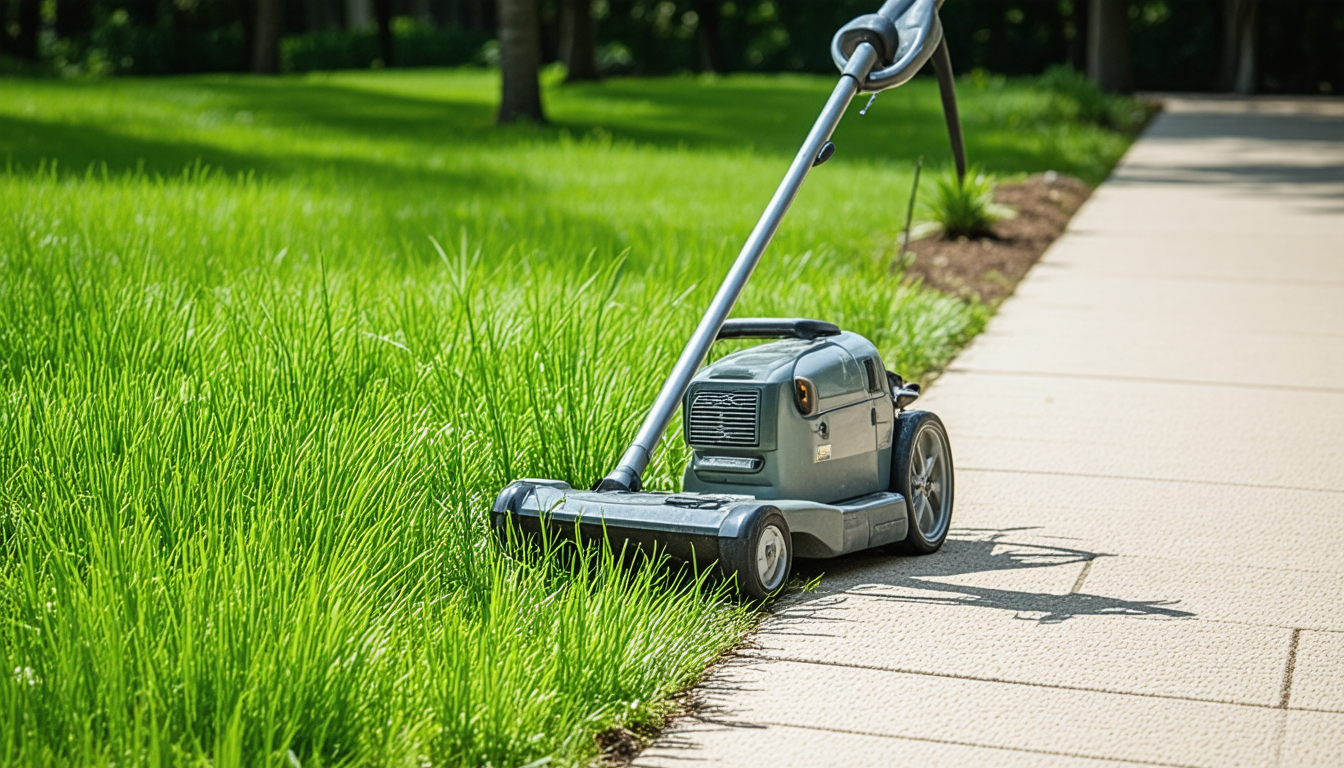
- Regular Mowing & Edging: Weekly or bi‑weekly cuts set to the optimal height for your grass type, preventing stress and encouraging dense growth.
- Weed & Pest Control: Targeted, environmentally responsible applications that eliminate broadleaf weeds, crabgrass, and common lawn insects without harming beneficial pollinators.
- Irrigation Audits & Adjustments: We inspect your sprinkler system, fix leaks, recalibrate heads, and schedule watering times to maximize efficiency—crucial for staying compliant with local water‑use regulations.
- Fertilization & Soil Amendments: Custom blended nutrients applied at the right times of year to promote deep root development and vibrant color, tailored to the Sacramento Valley’s soil profile.
- Seasonal Clean‑Ups: Leaf removal in fall, spring dethatching, and pre‑summer aeration to keep your turf breathing and resilient against heat stress.
- Minor Repairs & Hardscape Touch‑Ups: Fixing broken edging, leveling uneven spots, and repairing small concrete or paver issues that can affect drainage and safety.
Why Choose Boxpro Express?
- Local Knowledge: Our crew lives and works in Yuba City and Marysville; we understand the microclimates, soil types, and municipal codes that affect lawn care.
- Licensed & Insured: All handyman‑services technicians are fully licensed, bonded, and insured, giving you peace of mind.
- Transparent Pricing: No hidden fees—just a clear, upfront quote based on your property size and service frequency.
- Eco‑Conscious Practices: We use low‑VOC fertilizers, smart irrigation controllers, and integrated pest management to protect the environment while keeping your lawn healthy.
- Guaranteed Satisfaction: If you’re not happy with the results, we’ll return at no extra charge to make it right.
Before and After: Real Results from Boxpro Express Lawn Care
Seeing is believing. Below are actual examples from recent jobs completed for homeowners in Yuba City and Marysville. Each case demonstrates the time saved, the improvement in curb appeal, and the elimination of code‑violation risks.
| Scenario | Before (DIY Effort) | After (Boxpro Express Service) | Time Saved / Benefit |
|---|---|---|---|
| Suburban Home – 0.25 acre | Overgrown grass (10‑12 inches), crabgrass patches, dry spots from uneven watering, noticeable weed line along the fence. Homeowner reported spending ~4 hours every weekend mowing, edging, and hand‑pulling weeds. | Uniform, lush green turf at 2.5‑inch height, edged borders crisp, weed‑free, irrigation system optimized for 30% less water use. No visible code violations. | Approx. 16 hours per month reclaimed; water bill reduced by ~$25/month; HOA compliance achieved. |
| Rural Property – 0.5 acre near Highway 99 | Tall grass harboring mosquito breeding sites, invasive goathead weeds, soil compaction causing puddles after rain. Owner spent ~5 hours weekly on mowing and spot‑treating weeds, plus frequent trips to the store for supplies. | Healthy, dense turf with reduced weed pressure, aerated soil improving drainage, mosquito activity dropped significantly after treatment. Property passed a routine county inspection. | About 20 hours per month saved; eliminated potential fines for standing‑water violations; enhanced outdoor enjoyment for family gatherings. |
| Townhome Community – Shared Green Space | Patchy brown areas, uneven edges, overgrown shrubs encroaching on walkway, resident complaints about appearance and possible fire hazard in dry season. | Uniform, vibrant lawn; clean, defined edges; shrubs trimmed to code height; walkway clear and safe. Received positive feedback from HOA board. | Saved the HOA roughly 12 hours of monthly labor; prevented possible fire‑code citation; improved property values across the community. |
Frequently Asked Questions
How often should I schedule lawn maintenance with Boxpro Express?
For most residential lawns in Yuba City and Marysville, a bi‑weekly mowing schedule during the growing season (March‑October) works well, with monthly visits for fertilization, weed control, and irrigation checks. During the cooler months (November‑February), we can reduce frequency to monthly or as‑needed clean‑ups. We’ll tailor a plan based on your grass type, lawn size, and personal preferences.
❓ Are your chemicals safe for pets and children?
Yes. We use EPA‑registered, low‑toxicity products that are specifically formulated for residential lawns. All applications follow label directions, and we advise keeping pets and children off the treated area for the recommended re‑entry time (usually 2‑4 hours). Upon request, we can also provide organic or natural alternatives.
❓ What if I have an irrigation system that’s old or inefficient?
Our team performs a full irrigation audit: we check pressure, inspect heads for clogs or misalignment, look for leaks, and evaluate zone programming. We then recommend repairs or upgrades—such as installing smart controllers or low‑flow nozzles—that can cut water usage by 20‑40 % while keeping your lawn healthy.
❓ How quickly can you start service after I sign up?
Most new clients in the Sutter County area can begin service within 5‑7 business days. We’ll schedule an on‑site estimate, review your lawn’s specific needs, and set up a recurring service calendar that fits your schedule.
❓ Do you offer any guarantees or warranties?
We stand behind our work with a satisfaction guarantee. If you’re not happy with the results of any visit, we’ll return at no additional cost to correct the issue. For irrigation repairs and installations, we provide a 90‑day warranty on parts and labor.
Ready to Reclaim Your Weekends?
Stop letting lawn care steal your precious time and put your property at risk. Boxpro Express LLC’s professional handyman‑services team is here to handle the mowing, weeding, irrigating, and repairing—so you can enjoy your yard instead of laboring in it.
Call us today at (530) 978-8081 or visit boxproexpress.com to schedule your free, no‑obligation estimate.
Let Boxpro Express take the hassle out of lawn care—because your time is worth more than a weekend spent behind a mower.
Boxpro Express LLC · 175 Nantucket Way, Yuba City, CA 95993 · (530) 978-8081 · boxproexpress.com
Ready to Build in Yuba City? Design Online or Talk with Jessica.
Lock in your transparent ballpark price in 60 seconds with our interactive 3D configurator, or talk live with Jessica, our project concierge, for instant answers and next Sunday measurement walk reservations.
Related Field Guides & Architectural Case Studies
Hand-framed 10x12 & 15x8 detached studios • 4-day builds • 100% permit-exempt under CRC § R105.2