Yuba City Homeowners Are Losing $2,000 in Property Value From Neglected Lawns This Spring
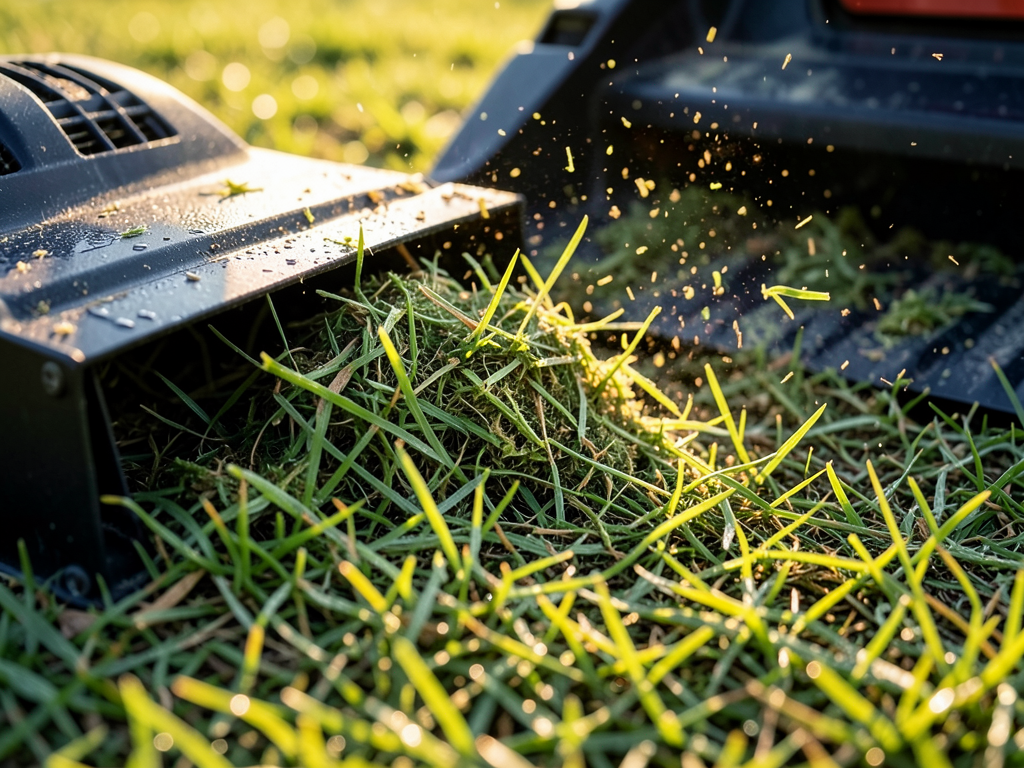

Lawn service yuba city residents trust begins with understanding what makes our Sacramento Valley yards unique—where summer heat regularly climbs to 105 degrees F, turning even the hardiest grass brittle and brown by July. We’ve seen it all along the Feather River levees and in the shaded courtyards near the Sutter Buttes: that moment when your once-vibrant lawn surrenders to the valley’s relentless sun, leaving you wondering if there’s any way to keep green alive without breaking water restrictions or your back. Here in Yuba City, where almond orchards stretch to the horizon and tule fog burns off by 9 a.m., maintaining a lawn isn’t just about aesthetics—it’s about creating a cool oasis against the heat that radiates off asphalt and bare soil alike.
That’s why our approach to lawn service yuba city focuses on smart, sustainable practices tailored to our specific climate challenges. We start with soil health—testing for compaction common in Yuba-Sutter’s heavy clay and recommending aeration schedules that work with our seasonal rhythms, not against them. During almond blossom season in February, we prep lawns for spring growth; by harvest time in August, we’re adjusting mowing heights to shade roots and reduce evaporation. We know that watering at 3 a.m. isn’t just about beating evaporation—it’s about respecting city conservation efforts while still giving your turf the deep soak it needs to survive those 105-degree afternoons when the heat shimmers over Plumas Lake and Olivehurst.
We’ve helped homeowners in Gridley revive lawns stressed by hard water minerals, and we’ve designed drought-tolerant borders for properties in Linda that still feel lush without guzzling gallons. Our handyman-eye for detail means we spot irrigation leaks before they become costly surprises, and we time fertilization to avoid the spring winds that can blow nutrients right out of your topsoil. This isn’t generic lawn care—it’s Yuba City-specific strategy, born from years of watching how our lawns respond to valley fog, summer monsoons (yes, we get those!), and the first crisp mornings of fall when the rice harvest begins.
When you choose Boxpro Express for your lawn service yuba city needs, you’re getting neighbors who know that a healthy lawn here means more than curb appeal—it’s about creating space for barefoot kids to run through sprinklers during Sutter County Fair week, or for evening barbecues under the string lights as the delta breeze rolls in. We treat every yard like it’s our own, because in this tight-knit community along Highway 99, reputation isn’t just earned—it’s lived.
Call Boxpro Express at (530) 978-8081 for a FREE lawn care estimate!
Yuba City homeowners face a unique set of lawn care challenges shaped by the Sacramento Valley’s intense climate and soil conditions, and we’ve learned through years of service that success here demands more than just routine mowing and watering—it requires a deep understanding of how our local environment tests turf resilience. One of the most pressing issues is the extreme summer heat, regularly exceeding 105 degrees Fahrenheit from late June through September. This isn’t just uncomfortable—it’s brutal on grass roots, especially when combined with Stage 2 or 3 water restrictions enforced by the Yuba Water Agency. These limits mean homeowners can’t simply turn up the sprinklers to compensate; instead, we focus on maximizing every drop through smart irrigation timing, soil amendment, and grass selection tailored to our valley’s realities.
The heavy clay soil prevalent across Yuba City, Linda, and Olivehurst compounds the problem. When dry, it cracks like ancient lakebeds near the Feather River; when wet, it holds water poorly and suffocates roots. This leads to compaction that blocks oxygen and nutrient uptake, making aeration not just beneficial but essential—especially in high-traffic areas near patios or along fence lines where kids and pets play. We recommend core aeration in early fall, just after the first hint of valley fog returns, to relieve compaction before winter rains set in. Pairing this with a thin layer of compost topdressing helps break up clay over time, improving drainage and root penetration without relying on chemical fixes.
Grass choice is another critical factor. Bermuda grass, common in many older lawns, goes dormant and turns straw-brown during peak heat—a survival tactic, not death—but many homeowners mistake it for damage and overwater in response, worsening runoff and violating conservation rules. Conversely, fescue varieties, while greener in spring, often scorch and thin out under sustained 105-degree days, especially in south-facing yards exposed to the full Sacramento Valley sun. We’ve seen this play out in neighborhoods near the Sutter Buttes, where microclimates shift dramatically over just a few blocks. Our approach? Educate homeowners on seasonal expectations: Bermuda’s dormancy is normal and reversible with cooler temps and deep, infrequent watering; fescue may need overseeding in early fall with heat-tolerant cultivars like tall fescue blends that better withstand valley summers.
Beyond turf, subterranean pests like gophers and ground squirrels pose persistent threats, particularly in areas bordering fallow fields or almond orchards—common edges in Plumas Lake and Wheatland. Their tunneling creates tripping hazards, damages irrigation lines, and dries out soil pockets, leading to uneven brown spots that mimic drought stress. We integrate humane trapping and exclusion techniques into our lawn care plans, working with homeowners to monitor activity after irrigation or during spring when soil is softest.
Finally, dry foxtail grass—a silent but serious hazard—invades neglected lawns and vacant lots, especially along Highway 99 corridors and near the Feather River levees. When it dries in late summer, its barbed seeds embed in pet paws and pose a fire risk during red-flag days. We include foxtail identification and removal in our seasonal cleanups, advising clients to address it before harvest season winds kick up, typically in late August. This proactive stance isn’t just about aesthetics—it’s about safety, sustainability, and stewardship of the land we all call home in Sutter County.
Lawn Care Services Tailored for Yuba City’s Unique Landscape
At Boxpro Express, we know that maintaining a healthy, vibrant lawn in Yuba City means working with the rhythms of the Sacramento Valley—not against them. Our lawn care services are designed for the specific challenges and opportunities of our region, from the heavy clay soils near the Feather River to the sandy loams edging almond orchards in Olivehurst and the microclimate shifts you’ll feel driving from south Yuba City up toward the Sutter Buttes. We don’t just cut grass—we build resilient landscapes that thrive through valley fog, spring winds, and summer heat that regularly tops 105°F.
Our regular mowing service follows a science-backed schedule adjusted for grass type and season. During peak growth in spring and early summer, we mow weekly to maintain optimal height—never removing more than one-third of the blade—to encourage deep root growth and shade the soil, reducing evaporation. In the slower summer months, we extend intervals to prevent stress, always sharpening blades to avoid tearing grass that invites disease in the humid mornings common near the river levees.
Edging and trimming defines the clean lines that make a lawn look intentional, not neglected. We precision-edge along sidewalks, driveways, and garden beds using vertical-blade trimmers that create a crisp barrier against encroachment—especially important in areas like Linda and Gridley where Bermuda grass aggressively spreads into flower beds. Trimming around trees, sprinkler heads, and fence lines is done with care to avoid damaging bark or irrigation components, a detail that saves homeowners costly repairs down the line.
Stump grinding removes unsightly and hazardous remnants after tree removal, a frequent need in older neighborhoods near downtown Yuba City where mature valley oaks or fruit trees have reached the end of their lifespan. We grind stumps below soil level—typically 4 to 6 inches—allowing for seamless sod installation or replanting. The resulting wood chips are either hauled away or, upon request, left as mulch for shrub beds, closing the loop on organic matter in your yard.
Leaf and debris removal isn’t just a fall task in our valley. While deciduous trees like sycamores and valley oaks drop leaves heavily in November, we also address spring cleanup after winter winds blow tumbleweeds and orchard prunings into yards—common in Plumas Lake and Wheatland. Our crews use high-volume blowers and vacuums to clear beds, gutters, and hardscapes, preventing moisture buildup that invites mold and pests during the damp tule fog season.
Hedge and shrub trimming shapes privacy screens and foundation plantings to promote healthy growth and airflow. We time trimming to avoid cutting off next year’s buds on flowering shrubs like lilac or forsythia, common in established yards near the Sutter Buttes foothills. For fast-growing varieties like privet or photinia—popular in Marysville and Live Oak—we recommend light, frequent shaping rather than drastic cuts, which reduces stress and prevents sun-scald on interior foliage during intense summer afternoons.
Our spring and fall seasonal cleanups are comprehensive resets that prepare your lawn for the valley’s extreme shifts. Spring cleanup (late February to early April) includes dethatching to remove winter-matted grass, aeration to relieve compaction from winter rains, and a balanced fertilizer application to kickstart growth before the heat hits. Fall cleanup (mid-October to late November) focuses on leaf removal, overseeding cool-season grasses like tall fescue in shaded areas, and applying pre-emergent herbicides to block winter weeds like poa annua before they germinate—critical as rains return and soil temperatures drop.
Irrigation system checks are
Lawn Care Pricing in Yuba City
Our lawn care pricing reflects the unique demands of maintaining healthy turf in the Sacramento Valley’s climate, where summer heat regularly exceeds 105°F and tule fog lingers through winter mornings. We structure our services to accommodate yards of all sizes—from compact lots in Linda’s residential corridors to expansive properties backing onto almond orchards near Gridley—ensuring fair, transparent rates that account for local conditions like soil composition, irrigation needs, and seasonal growth patterns driven by the region’s long growing season and limited rainfall.
Ready to Build in Yuba City? Design Online or Talk with Jessica.
Lock in your transparent ballpark price in 60 seconds with our interactive 3D configurator, or talk live with Jessica, our project concierge, for instant answers and next Sunday measurement walk reservations.