Your Overgrown Shrubs Are Blocking Your Front Walk — And Violating Yuba City Fire Codes
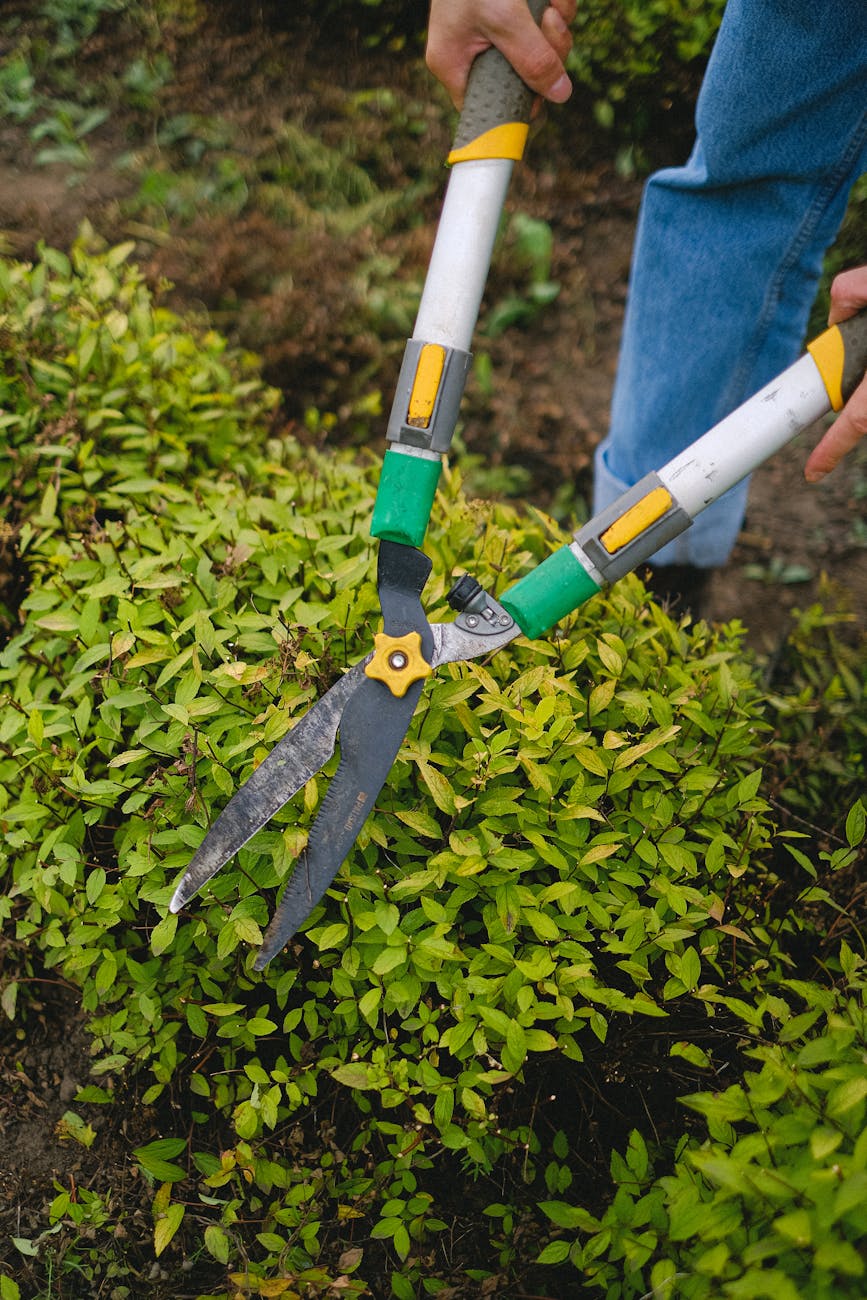

Shrub Trimming Yuba City: Keeping Your Landscape Thriving in Valley Heat
Shrub trimming Yuba City residents rely on isn't just about aesthetics—it's a vital part of surviving our brutal Sacramento Valley summers where temperatures regularly climb to 105 degrees F or higher. When the sun beats down relentlessly on those almond orchards lining Highway 99 and the tule fog burns off by 9 a.m., your shrubs face serious stress that makes proper maintenance not just nice to have, but essential for survival. We've seen too many homeowners along Feather River Boulevard or near the Sutter Buttes try to go it alone, only to watch their once-vibrant landscaping turn brown and brittle by July.
The challenge intensifies with California's ongoing water restrictions that hit Yuba-Sutter County particularly hard. When you're limited to specific watering days and times, every drop counts—and poorly maintained shrubs waste precious moisture through inefficient growth patterns. Overgrown branches create dense canopies that block airflow and trap heat against the soil, forcing roots to work harder while losing more water to evaporation. Smart shrub trimming Yuba City service actually helps your plants use water more efficiently by removing dead wood, thinning crowded growth, and shaping plants to minimize surface area exposed to that fierce valley sun.
Think about it: those boxwoods along your driveway in Live Oak or the oleanders framing your patio in Plumas Lake aren't just decorative—they're working hard to provide shade, reduce soil erosion, and create microclimates that protect more delicate plants. But when left untrimmed, they become liabilities. We've handled emergency calls from Gridley residents whose overgrown shrubs blocked irrigation sprinklers, and Olivehurst homeowners who discovered pest infestations hiding in neglected hedges during harvest time when orchard workers are already stretched thin.
Professional shrub trimming Yuba City expertise means understanding our unique growing season—how the spring winds that whip through the valley in March and April can damage tender new growth, why timing cuts just after almond blossom season (late February to mid-March) promotes healthier regrowth, and how to shape plants to withstand those infamous 105-degree afternoons without shocking the system. It's not about creating perfect geometric shapes; it's about working with your plants' natural habits while giving them the best chance to thrive despite our challenging climate.
We know Yuba-Sutter soil—from the rich loam near Marysville to the heavier clay patches around Wheatland—and how it affects root development and water retention. That local knowledge translates directly to better trimming techniques that promote deeper root systems, making your shrubs more drought-resistant when those summer water restrictions kick in. Plus, proper timing means avoiding cuts during peak heat waves that could stress plants further, instead scheduling work during cooler mornings or evenings when plants recover fastest.
Don't let another summer pass with struggling shrubs dragging down your curb appeal and wasting water. Whether you're preparing for the spring home tour season in Sutter or just want to enjoy your backyard oasis without constant worry, strategic shrub trimming makes all the difference. Your landscape deserves care that understands our valley's unique rhythms—from the first almond blossoms to the last harvest dust in the air.
Call Boxpro Express at (530) 978-8081 for a FREE lawn care estimate!
Lawn Care Solutions for Yuba City's Unique Challenges
Yuba City homeowners face a distinct set of lawn care hurdles that demand solutions rooted in our valley's specific conditions. When summer temperatures consistently climb above 105 degrees Fahrenheit, the stress on turfgrass becomes immediate and severe. This isn't just about brown patches; it's about understanding how different grass types respond to our extreme heat and the critical water restrictions imposed by the Yuba Water Agency during Stage 2 or 3 drought declarations. Many residents struggle with the dilemma of Bermuda grass versus fescue. Bermuda, while drought-tolerant, enters a natural dormancy during peak heat, turning brown as a survival mechanism – a state often mistaken for death, leading to unnecessary overwatering that violates restrictions and wastes precious resources. Conversely, fescue varieties, though they maintain green color longer, are highly susceptible to heat stress and can die outright when temperatures exceed 105°F for extended periods, especially if watering is restricted. Choosing the right grass type or blend for your specific microclimate within Yuba City, Linda, or Marysville is the first critical step, and we help assess factors like sun exposure, soil type, and proximity to heat-reflecting surfaces like driveways.
Our heavy clay soil, prevalent from the outskirts of Gridley to the edges of Plumas Lake, presents another layer of complexity. This soil type compacts easily under foot traffic or heavy equipment, forming a dense barrier that prevents water infiltration and root penetration. When dry, it cracks deeply, creating tripping hazards and exposing roots to desiccation. Effective lawn care here requires addressing soil structure before focusing solely on the grass. Core aeration, performed during the cooler months of late fall or early spring (avoiding the summer heat and winter wet periods), is essential to break up compaction and create channels for air, water, and roots. Following aeration, applying a thin layer of compost or finely screened topsoil helps improve soil structure and water retention without creating a barrier. We never recommend simply adding sand to clay soil, as this can create a concrete-like substance detrimental to lawn health. Instead, we focus on organic amendments that work with the soil's natural properties.
Beyond grass and soil, Yuba City's rural-agricultural interface brings persistent wildlife pressure. Gophers and ground squirrels are active year-round in our area, creating unsightly mounds and tunnels that destroy root systems and create uneven surfaces. Their activity often increases in the spring as they forage for new growth, coinciding with the end of almond blossom season and the start of spring winds. Effective management requires a multi-faceted approach: identifying active tunnels through careful probing, using traps specifically designed for these pests (avoiding harmful poisons that could affect pets or wildlife), and modifying habitat by removing debris piles and keeping vegetation trimmed near foundations. We work with homeowners to develop sustainable, ongoing management plans rather than one-time fixes, understanding that these creatures are part of our valley's ecosystem but need management when they threaten lawns and gardens.
Perhaps one of the most overlooked yet critical hazards is the prevalence of dry foxtail grass (Hordeum murinum), especially in vacant lots, along fence lines, and in poorly maintained areas throughout Sutter County. As spring progresses into summer, these invasive annual grasses dry out completely, forming sharp, barbed seed heads that pose a significant fire risk. A single spark from a lawnmower blade, a discarded cigarette, or even a hot exhaust pipe can ignite these dry foxtails, leading to rapid fire spread, particularly during our notoriously dry spring winds or under the intense Sacramento Valley sun. Proactive management is key: regular mowing or string trimming of foxtail-infested areas before the seed heads fully mature and dry (typically late spring, around May or
Lawn Care Services Tailored for Yuba City Yards
We understand that a healthy, vibrant lawn is more than just grass—it’s the welcoming front yard of your home, the safe play space for kids and pets, and a point of pride in our tight-knit Yuba City community. Our lawn care services are designed specifically for the unique conditions of the Sacramento Valley, from the heavy clay soils near the Feather River floodplain to the sandy loam found in newer developments around Plumas Lake and Olivehurst. We know how the intense summer heat, often pushing past 105°F by July, stresses turf, and how the notorious tule fog that settles in the valleys during winter months can promote fungal growth if grass is left too long. That’s why we don’t offer one-size-fits-all packages; we assess your property’s specific needs, considering factors like sun exposure, soil type, and proximity to almond orchards or open fields where wind-blown debris accumulates.
Regular mowing forms the foundation of our service, performed weekly during peak growing season (March through October) and bi-weekly as growth slows in cooler months. We adjust mower heights based on grass type—typically keeping Bermuda and Zoysia slightly shorter for heat tolerance, while maintaining Fescue blends at a higher 3-4 inch cut to shade roots and retain moisture during scorching afternoons. Edging and trimming follow every mow, creating clean lines along sidewalks, driveways, and flower beds using precision tools that prevent scalping and damage to hardscapes—especially important in older neighborhoods like those near downtown Yuba City where brick or concrete curbing is common.
Stump grinding removes unsightly and hazardous remnants after tree removal, a frequent need after winter storms topple valley oaks or when homeowners clear space for new garden beds. We grind stumps below soil level, allowing for seamless sod or seed establishment, and haul away the grindings unless you prefer to use them as mulch in shrub beds. Leaf and debris removal is critical not just for aesthetics but for fire safety and lawn health; we thoroughly clear accumulated leaves, twigs, and wind-blown trash—particularly prevalent after spring winds sweep through the Sutter Buttes foothills or during harvest season when almond hulls and shells litter streets in areas like Gridley and Live Oak.
Hedge and shrub trimming maintains shape, promotes healthy growth, and prevents overgrowth that can invite pests or obstruct walkways. We time trimming to avoid cutting back flowering shrubs like lilac or forsythia after bud set, and we’re especially careful with drought-tolerant natives like manzanita or ceanothus common in xeriscaped yards around Sutter. Spring and fall seasonal cleanups are comprehensive resets: spring service removes winter debris, dethatches matted turf, and prepares beds for pre-emergent weed control, while fall cleanup targets summer-thatch buildup, removes spent annuals, and readies lawns for winter dormancy—crucial before the heavy tule fog sets in.
Irrigation system checks ensure your water is used efficiently, a necessity in our climate where conservation meets necessity. We inspect heads for clogs or misalignment (common after ground shifts from winter freeze-thaw cycles), test pressure and valve function, and adjust timers to match seasonal evapotranspiration rates—reducing runoff and preventing overwatering that invites fungus during humid fog periods. Sod installation provides instant, erosion-resistant cover for new lawns or damaged areas; we use heat-tolerant, disease-resistant blends like Tifway 419 Bermuda or Titan Ultra Fescue, properly preparing soil with compost amendment to combat valley alkalinity. Overseeding revitalizes thin or worn turf, typically done in early fall when soil temps are ideal for germination—we spread premium
Lawn Care Pricing in Yuba City
We know every yard in Sutter County has its own character—from the compact lots near the Yuba City Mall to the sprawling properties backing up to the Feather River levees in Linda. That’s why our lawn care pricing starts with a clear, transparent structure designed to fit the diverse needs of our community. For ongoing weekly maintenance, we offer tiered options based on yard size: Small Yard service begins at $45 per visit, ideal for typical in-town lots under 5,000 square feet often found in older neighborhoods around Plumas Boulevard. Medium Yard care starts at $65 weekly, suited for properties between 5,000 and 10,000 square feet—common in newer subdivisions near Live Oak where mature shade trees and larger lawns demand consistent attention. Large Yard maintenance begins at $90 per week for spaces over 10,000 square feet, such as the ranch-style homes dotting Olivehurst or the agricultural-adjacent properties in Wheatland where irrigation efficiency and weed pressure require specialized care.
Beyond routine mowing, we address specific yard challenges with targeted services. A One-Time Cleanup—perfect for post-storm debris or preparing a home for sale—starts at $120 and includes leaf removal, edging, and basic weed control. Stump Grinding, a frequent request after removing old orchard trees or hazardous limbs near power lines, begins at $75 per stump, with pricing adjusted based on diameter, root complexity, and accessibility (think tight spaces between almond orchard rows or behind detached garages in Gridley). These starting points reflect our commitment to fair value, using commercial-grade equipment and locally adapted techniques that respect the Sacramento Valley’s unique growing conditions. Remember, these are base rates—final pricing depends on your yard’s specific conditions, which we assess during a free, no-obligation estimate.
Several key factors influence the final cost of your lawn care service in Yuba City’s distinct landscape. Yard topography plays a major role—sloped properties along the Sutter Buttes foothills or uneven terrain common in old riverbed areas near Marysville require more time and specialized equipment for safe, even mowing. Soil composition also matters; the heavy clay prevalent in parts of Sutter retains moisture differently than sandy loam, affecting irrigation needs and fertilizer uptake. We also consider existing landscape features: mature valley oaks or walnut groves (common in heritage properties) necessitate careful trimming and debris management, while xeriscaped yards with native grasses like deergrass may need less frequent mowing but specialized pruning. Seasonal timing influences pricing too—spring prep work before almond bloom or fall cleanup ahead of tule fog season involves additional labor that’s reflected in customized quotes.
Our free estimate process is designed to be straightforward and neighborly, just like chatting over the fence at the Saturday market. When you call (530) 978-8081 or visit boxproexpress.com, we schedule a convenient time to walk your property—no sales pressure, just a practical assessment. We’ll note your grass type (whether it’s Bermuda dominating sun-baked yards in Plumas Lake or fescue blends thriving in shadier Linda lots), identify problem areas like crabgrass hotspots near driveways or drainage issues after winter rains, and discuss your goals—whether you want a low-maintenance yard for summer barbecues or a lush, play-ready lawn for kids. After our walk-through, we provide a detailed, itemized quote valid for 30 days, clearly outlining what’s included so you know exactly what to expect. This approach ensures you get service tailored not just to your yard’s size, but to the real conditions of your Sutter County property—because we’re not just maintaining lawns;
Our Lawn Care Process: From First Cut to Last Detail
We start with a thorough property walk to assess your lawn’s unique needs—checking soil compaction after winter rains, identifying sun exposure patterns across your yard, and noting any drainage issues near driveways or sidewalks. This isn’t a generic checklist; it’s a hands-on evaluation where we look for early signs of crabgrass in high-traffic zones or thin patches under mature valley oaks common in Olivehurst heritage lots. We’ll discuss your goals—whether you need a play-safe surface for kids in Plumas Lake or a neat, low-maintenance yard for summer barbecues—so our plan aligns with how you actually use your space.
Next, we prepare the site by clearing debris like fallen branches from winter storms or excess thatch buildup that can smother grass roots. In areas with heavy clay soil near the Feather River floodplain, we may recommend light aeration to improve water penetration before applying any treatments. We time this carefully—avoiding spring wind season when debris blows easily—and always bag clippings initially if weed pressure is high to prevent spread.
Our third step involves precision mowing at the correct height for your grass type—typically 2.5–3 inches for fescue blends in shadier Linda yards or 1.5–2 inches for sun-loving Bermuda in Gridley lots—using sharp blades to prevent tearing that invites disease. We edge along sidewalks and flower beds with string trimmers held at a consistent angle for clean lines, then blow debris from hardscapes back onto the lawn for natural mulching, never into streets or storm drains.
Fourth, we apply targeted treatments based on your soil test and seasonal needs—pre-emergent weed control in early spring before crabgrass germinates, or slow-release nitrogen in early summer to sustain growth through valley heat without burning. We skip blanket applications; instead, we spot-treat problem areas like nutsedge patches near irrigation heads in Plumas Lake or dollar spot in poorly drained corners of Live Oak yards, using products safe for pets and kids once dry.
Finally, we conduct a quality walk-through with you, pointing out improvements like thicker turf along fence lines or reduced weed pressure in trouble spots, and adjust the next visit based on how your lawn responded. We leave your property clean—tools put away, gates closed—and provide a simple care note: water deeply but infrequently to encourage deep roots, and avoid mowing during peak heat to reduce stress.
This process works because we treat every yard as unique, not a square-footage calculation. When you see our team arrive in their marked truck at the scheduled time—whether it’s 7 a.m. to beat the 105°F heat or later in the day after the morning tule fog lifts—you know we’ll be consistent. We track progress visit to visit, noting how your Bermuda responds to summer fertilization or how fescue recovers after fall aeration, so adjustments are data-driven, not guesswork. That reliability means you’re not guessing if the edge will be clean or if the weeds will be back; you’re seeing steady improvement tied to your specific conditions.
Communication keeps this cycle tight. After each visit, you’ll get a quick text or email summarizing what was done—like “applied grub control to south lawn, mowed front to 2.5 inches”—and any observations, such as “noted increased moisture near east fence; suggest checking sprinkler heads.” If you need to reschedule due to a family event or unexpected rain, just call (530) 978-8081; we’ll find a slot that keeps your lawn on track without disrupting your routine. This open line ensures you’re never left wondering what happened or why—it’s just neighbors looking out for each other’s yards, one precise
We’ve built our lawn care approach around the rhythms of the Sacramento Valley, where the seasons move with purpose but never harshness—no snow, just steady shifts in heat, light, and moisture that demand a thoughtful, localized calendar. In Yuba City, your lawn isn’t just grass; it’s part of the valley’s living tapestry, shaped by the Sutter Buttes to the west and the Feather River’s quiet flow to the east. That’s why our seasonal guidance starts not with generic dates, but with what you see outside your window: the first almond blossoms pushing through in late February, the tule fog lifting slower in the mornings as March warms, and the long, dry stretch that begins in earnest by June.
Spring (February–April): As the valley shakes off winter’s chill and almond orchards burst into bloom, we focus on pre-emergent application to stop crabgrass and foxtail before they take hold in the warming soil. This is also the ideal time for core aeration—relieving compaction from winter rains and allowing water, oxygen, and nutrients to reach roots deep in the clay-loam soil common across Linda and Olivehurst. If your turf shows thin patches after winter dormancy, overseeding with drought-tolerant tall fescue blends works best here, timed to catch the spring rains before the summer drydown. We avoid fertilizing too early; waiting until soil temps consistently hit 65°F ensures nutrients aren’t wasted or washed away.
Early Summer (May–June): As temperatures climb toward 90°F and the valley fog burns off by 10 a.m., we raise mowing height to 3.5 inches—critical for shading soil and reducing evaporation in Plumas Lake and Gridley’s sun-exposed yards. Watering shifts to deep, infrequent cycles: two to three times per week, applying enough to moisten soil 6–8 inches down, encouraging roots to chase moisture deeper where it lingers longer. This is when we monitor for early signs of stress, especially in south-facing lawns near Live Oak’s open fields, where reflected heat can accelerate drying.
Peak Summer (July–August): The valley hits its stride—105°F+ days are common, and lawns enter drought survival mode. We minimize fertilizer entirely; nitrogen now risks burning tender blades. Instead, we watch for brown patch, which can flare in humid microclimates near irrigation ditches or overwatered zones. Mowing drops to once every 10–14 days, only when growth warrants it, and always in the early morning or late evening to avoid heat stress on both grass and technician. We leave clippings when possible—they return moisture and nutrients to the soil without smothering the turf.
Fall (September–November): As harvest season begins and almond shakers hum in the orchards, we overseed fescue lawns to repair summer thinning, taking advantage of cooling nights and occasional valley fog that retains moisture. Fall fertilizer—high in potassium and phosphorus—supports root development without encouraging top growth that won’t harden before winter. This is also when we assess irrigation efficiency, adjusting heads that may have drifted during summer use.
Winter (December–January): Growth slows, but care doesn’t stop. We mow only to keep tidy—never removing more than one-third of the blade—and focus on equipment maintenance: sharpening blades, cleaning decks, and winterizing tools so they’re ready when spring returns. Leaf and debris cleanup prevents moisture buildup that could invite fungal issues in the cool, damp mornings unique to the basin. Throughout, we remind you: a healthy lawn in Yuba City isn’t about fighting the valley—it’s about working with its rhythm, one season at a time.
Lawn Care Service Coverage Across Yuba-Sutter Communities
In Yuba City, as the county seat, residential lawns often bake under the shadow of the Sutter Buttes during peak summer, where temperatures regularly climb past 105°F, stressing turf and demanding smart irrigation and mowing schedules to prevent scorching and weed invasion. We tailor our approach here with deeper root encouragement and drought-tolerant grass varieties that withstand the valley’s long, dry spells while maintaining curb appeal near landmarks like the Sutter County Museum.
Marysville’s older neighborhoods feature mature sycamores and oaks that shed significant leaf debris each fall, creating thick layers that smother grass if not cleared promptly, so we integrate seasonal cleanup into routine visits to keep lawns breathing and disease-free through winter’s damp mornings.
Live Oak, rooted in agriculture, sees many properties with large lots and orchard edges where windblown husks, prunings, and soil accumulate, requiring specialized edge trimming and debris removal to maintain clean lines between cultivated land and residential turf without damaging irrigation lines or tree trunks.
Gridley’s small-town charm comes with proximity to almond orchards, bringing dust, pollen, and occasional nut hulls onto lawns, especially during harvest, so we focus on frequent surface cleaning and soil aeration to counteract compaction from nearby equipment traffic and promote healthy root zones in sandy loam soils.
Olivehurst serves working families who need reliable, no-fuss maintenance—consistent mowing, edging, and blowing to keep yards tidy between school runs and shifts—so we offer flexible scheduling that respects busy routines while ensuring lawns stay manageable and welcoming for kids and pets.
Plumas Lake’s newer HOA subdivisions uphold tight visual standards, where even slight overgrowth or uneven edges can trigger notices, so we provide precision trimming, consistent height control, and proactive communication with property managers to keep every lawn within community guidelines year-round.
Along the Feather River in Sutter, rural acreage often includes irrigation ditches that require regular clearing of sediment and vegetation to maintain flow, and we integrate ditch maintenance into lawn care visits to prevent flooding risks and support healthy groundwater recharge for surrounding fields.
In Wheatland, nestled against the foothills, fire-safe landscaping is critical during dry season, so we emphasize clearing dead grass, trimming back shrubs from structures, and creating defensible space around homes—especially important as spring winds kick up and humidity drops—turning routine lawn care into a layer of wildfire preparedness.
Across all eight communities, our consistent weekly service builds resilience: we mow at the right height, edge with precision, blow debris from hardscapes, and adjust visits based on real-time growth—not a rigid calendar—ensuring your lawn gets exactly what it needs when it needs it, whether it’s recovering from summer stress or preparing for winter dormancy. This rhythm keeps turf thick, roots deep, and your outdoor space ready for whatever the Sacramento Valley brings—from almond blossom breezes to harvest-time dust—without ever overworking the grass or wasting your time. We don’t just cut grass; we steward your yard with the same care we’d give our own, one visit at a time.
Why Yuba City Residents Choose Boxpro Express for Lawn Care
As a locally owned business rooted in Yuba City since 2015, we understand that lawn care here isn’t just about aesthetics—it’s about adapting to the rhythms of the Sacramento Valley. Our team lives in the same neighborhoods we serve, from the tree-lined streets near the Sutter Buttes to the agricultural edges of Live Oak, so we know how the tule fog lingers in winter mornings and how the summer heat can push past 105°F by noon. That firsthand experience shapes every visit, ensuring your lawn gets care that’s attuned to our unique climate, not a generic template.
Reliability is woven into our scheduling. We don’t overbook crews or leave you guessing—when we say we’ll be there Thursday morning for your biweekly mow, we arrive with equipment ready and a plan tailored to your yard’s current needs. Whether it’s adjusting for a sudden growth spurt after spring rains or scaling back during a dry spell, we communicate changes clearly so you’re never left wondering. This consistency has earned trust across our nine service cities, where residents value knowing their lawn won’t be overlooked amid busy schedules.
Being licensed and insured isn’t just a formality—it’s peace of mind. Our crew carries full liability coverage and follows strict safety protocols, especially important when working near irrigation ditches in Gridley or trimming around power lines in Olivehurst. You’re protected, and so is your property, every time we step onto your yard.
We also prioritize eco-conscious practices. Grass clippings aren’t hauled to the landfill—they’re either returned to your lawn as natural mulch or taken to local composting facilities in Sutter County, reducing waste and supporting soil health. This closed-loop approach aligns with the valley’s agricultural stewardship ethos, turning routine maintenance into a small but meaningful contribution to our shared environment.
Here’s what neighbors are saying:
“Boxpro shows up like clockwork, even during peak harvest season when everything else feels chaotic. They know how to handle the dust and heat without cutting corners.” – Maria T., Plumas Lake
“After years of unreliable services, I finally found a team that listens. They adjusted our schedule when the almond blossoms brought extra growth, and now my yard looks healthier than ever.” – David R., Linda
“I appreciate that they don’t just blow clippings into the street—they bag them responsibly. It’s the little things that show they care about our community.” – Elena S., Wheatland
From managing fire-safe clearances in the foothills to maintaining pristine edges along the Feather River levees, we treat every lawn as part of the larger landscape we call home. When you choose Boxpro Express, you’re choosing a partner who’s invested in the long-term health of your yard—and the vitality of Yuba City itself.
Q: How much does lawn care cost in Yuba City?
A: Boxpro Express lawn care in Yuba City starts at $45 for weekly mowing accounts. Stump grinding starts at $99 per stump. Professional yard cleanups are quoted based on size — call (530) 978-8081 for a free estimate tailored to your Yuba City property.
Q: Does Boxpro Express offer weekly lawn mowing in Yuba City?
A: Yes! We offer recurring weekly and bi-weekly mowing accounts throughout Yuba City and the Yuba-Sutter area. Regular customers get priority scheduling. Call (530) 978-8081 to set up a lawn care plan for your home.
Q: What lawn care services do you offer in Yuba City?
A: Boxpro Express provides full-service lawn care in Yuba City: mowing and edging, stump grinding, weed control, shrub and hedge trimming, yard cleanup, leaf removal, and general landscaping. Call (530) 978-8081 or visit boxproexpress.com to book.
Q: How do I keep my lawn healthy during Yuba City's hot summers?
A: Yuba City summers regularly hit 105°F+, which stresses fescue and Bermuda grass. Boxpro Express recommends: water deeply 2-3x per week, mow at 3" height to protect roots, and schedule professional edging and treatments through the spring growth surge. Call (530) 978-8081 for a lawn care plan.
Q: Does Boxpro Express offer stump grinding in Yuba City?
A: Yes — stump grinding is one of our most popular services in Yuba City. We grind stumps of all sizes to below ground level so you can reclaim your yard for mowing or landscaping. Stump grinding starts at $99. Call (530) 978-8081 for a free estimate.
We know how much pride you take in your Yuba City home, especially when the almond orchards are in full bloom and the Feather River glistens under the summer sun. A well-kept lawn isn’t just about curb appeal—it’s about creating a space where your family can relax, kids can play safely, and you can enjoy those long valley evenings without worrying about overgrown grass or stubborn weeds taking over. That’s why our team treats every yard like it’s our own, using sharp blades, clean lines, and attention to detail that makes a difference you can see and feel.
From the first mow in spring to the final leaf cleanup before winter winds kick up, we’re here to keep your lawn healthy, neat, and ready for whatever the Sacramento Valley season brings. Whether you’re in Olivehurst near the Sutter Buttes or tucked into a quiet street in Live Oak, we bring the same reliable, neighborly care to every job. Let us handle the hard work so you can spend more time enjoying your outdoor space—barbecues, barefoot mornings, or just sitting on the porch with a glass of sweet tea as the tule fog rolls in.
Here’s how simple it is to get started:
Step 1: Call us at (530) 978-8081 or visit boxproexpress.com to share your address and lawn care needs.
Step 2: We’ll provide a free, no-obligation estimate tailored to your property’s size and goals—whether it’s weekly mowing, edging, or a full yard refresh.
Step 3: Schedule your first service, and we’ll show up on time, ready to transform your yard with the care and precision that’s made us a trusted name across Yuba City, Marysville, Gridley, and beyond.
Your lawn deserves better than guesswork and weekend stress. Let Boxpro Express bring professional results and peace of mind to your doorstep.
📌 More From Boxpro Express
Boxpro Express LLC · 175 Nantucket Way, Yuba City, CA 95993 · (530) 978-8081 · boxproexpress.com
Ready to Get Started?
Call Boxpro Express today for a free estimate on your project in Yuba City and surrounding areas.
Call (530) 978-8081