Your Lawn Is Turning Brown in Patches — Is It the Heat or Your Watering Schedule?
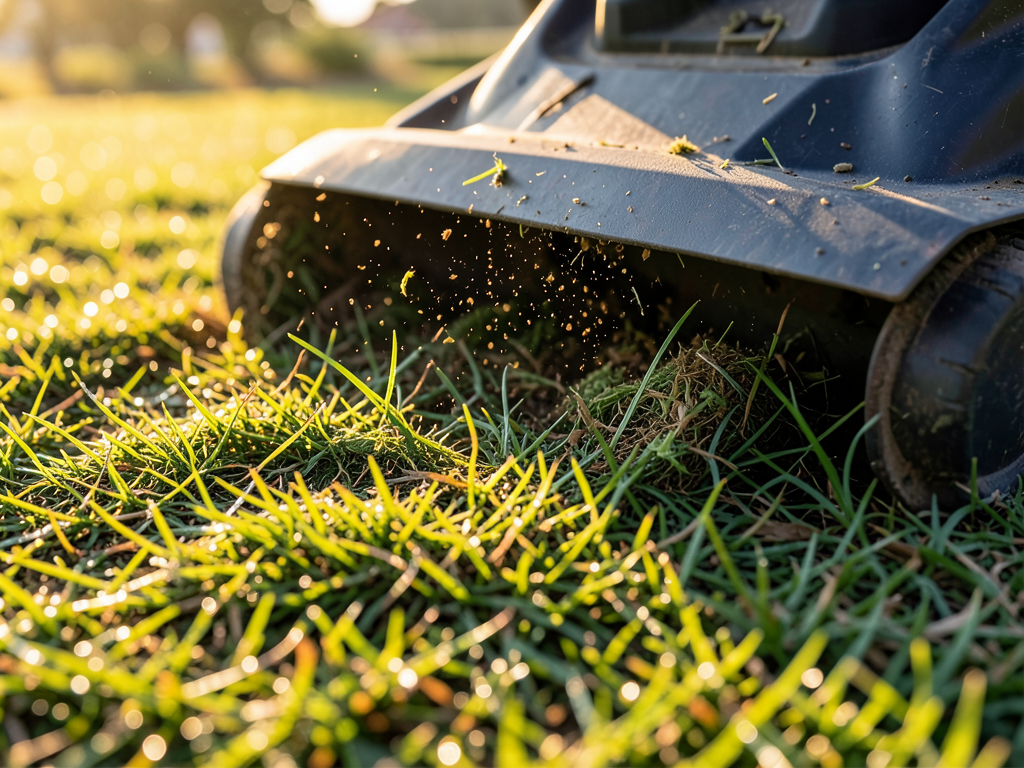

Your Lawn’s Survival Guide in Yuba City’s Valley Heat

Living in Yuba City means embracing the rhythm of the Sacramento Valley, where summer days regularly climb to 105 degrees Fahrenheit or higher, turning even the toughest grass into a struggle for survival. If you’re searching for a reliable lawn service yuca city residents trust, you already know the drill: water restrictions tighten as the mercury rises, almond orchards shimmer in the heat haze, and that once-vibrant green carpet outside your door starts to look more like straw by July. Keeping a lawn alive here isn’t just about mowing—it’s about smart, localized strategy that respects both the climate and the community.
We’ve seen it all across our nine service cities, from the quiet streets of Olivehurst to the bustling avenues near the Sutter Buttes. A lawn in Yuba City faces unique pressures: intense, prolonged sun that bakes the soil crust hard, sudden afternoon winds that whip up valley dust, and municipal watering rules that limit when and how long you can run the sprinklers. Overwatering isn’t just wasteful—it’s often against local ordinances during peak drought months, and it can invite fungal diseases that thrive in the humid microclimates near the Feather River. Underwatering, meanwhile, invites invasion by hardy weeds like crabgrass and spurge that laugh at the heat while your fescue or Bermuda struggles.
That’s where a professional lawn service yuca city approach makes all the difference. It starts with understanding your soil type—many yards here sit on heavy adobe clay that holds moisture poorly near the surface but can stay soggy below if over-irrigated. A good service will test drainage, recommend deep-but-infrequent watering schedules aligned with city guidelines, and suggest drought-tolerant grass varieties or native ground covers that thrive in our long, dry summers. They’ll also time fertilization to avoid scorching blades during peak heat, apply pre-emergents in early spring before weeds explode, and mow at the right height to shade the soil and retain moisture—critical when the valley floor feels like a griddle.
Think about the almond blossom season in February and March: that’s actually the perfect window to prep your lawn for the summer siege. Aerating compacted soil, applying a balanced slow-release fertilizer, and addressing thin spots then gives your grass the best chance to withstand July’s blast. Come harvest time in late summer, when the air smells of dried almonds and diesel from passing trucks, a well-maintained lawn becomes an oasis—not just for your eyes, but for neighborhood kids playing catch or dogs seeking shade under the lone valley oak.
We know Yuba City isn’t just a dot on the map—it’s where the Sutter Buttes rise like ancient islands from the valley floor, where tule fog lingers in the winter mornings along Riverbend Park, and where community means showing up for the Friday night farmers’ market or waving to neighbors pruning their roses in the early cool. Your lawn is part of that landscape. Let us help you keep it resilient, respectful of our water wisdom, and ready for whatever the Sacramento Valley summer brings.
Call Boxpro Express at (530) 978-8081 for a FREE lawn care estimate!
Taming the Valley Heat: Your Lawn’s Survival Guide for Yuba City Summers

Yuba City’s summer isn’t just hot—it’s a full-on assault on your lawn. When temperatures consistently crack 105°F by July, standard grass care goes out the window. The real challenge starts with our infamous heavy clay soil, which dominates from the Sutter Buttes foothills down to the Feather River floodplains. This soil doesn’t just hold water poorly—it turns into concrete when dry, cracking like ancient riverbeds during prolonged drought, then becomes a slick, suffocating mess when irrigated. Homeowners in Olivehurst and Plumas Lake constantly battle this cycle: water too little, and the soil pulls away from grass roots; water too much, and you’re drowning the lawn while wasting precious allocation under Yuba Water Agency’s Stage 2-3 restrictions. We’ve seen lawns in Linda where cracked soil exposed roots to direct sun, scorching them in hours—a problem exacerbated by improper mowing heights that leave soil bare.
Then there’s the grass dilemma. Bermuda grass, common in newer developments near Gridley and Wheatland, survives the heat by going dormant—turning straw-colored but bouncing back when fall rains arrive. However, many homeowners mistakenly overwater dormant Bermuda, thinking it’s dead, which invites fungal diseases in the humid microclimates near irrigation ditches. Conversely, fescue lawns in established neighborhoods like Riverbend Park or near the Yuba City Mall often suffer irreversible damage; their shallow roots can’t penetrate the clay, and peak heat literally cooks the blades, leaving bare patches that invite invasive weeds like spotted spurge. Gophers and ground squirrels add another layer of destruction, particularly in areas bordering almond orchards or vacant lots—their tunnels create tripping hazards and dry out soil patches, while their foraging decimates new seedings. And let’s not forget dry foxtail grass along fence lines and vacant fields; those barbed seed heads aren’t just a nuisance for pets—they’re a legitimate fire hazard when embers from backyard grills or passing trains ignite them during red-flag wind events, a real concern during harvest season when combines kick up dust near Highway 99.
Timing is everything here. Unlike cooler climates, spring preparation in Yuba City must happen before the almond blossoms fade in late March. Waiting until April means missing the narrow window when soil is still workable from winter rains but hasn’t baked into impenetrable clay. Aeration during this period—using a core aerator to pull 2-3 inch plugs—breaks up compaction without destroying soil structure, allowing water to penetrate deeper where roots actually grow. We recommend applying a low-nitrogen, high-potassium slow-release fertilizer in early March; this strengthens cell walls against heat stress without promoting tender new growth that scorches easily. For weed control, pre-emergent application must hit by mid-February—before crabgrass and foxtail seeds germinate in the warming soil. Delaying until March, as some do, means fighting established weeds all summer, which guzzles water and stresses grass further.
Watering strategy requires military precision under restrictions. Deep, infrequent watering—say, 1 inch per session twice weekly at 4 AM—encourages deep root growth while minimizing evaporation. But crucially, you must monitor soil moisture with a probe; watering on a fixed schedule wastes allocation when clay retains moisture longer than sandy soils. In Gridley, we’ve helped clients reduce water use by 30% simply by adjusting schedules based on actual soil readings rather than calendar dates. Mowing height is non-negotiable: keep Bermuda at 1.5-2 inches and fescue at 3-3.5 inches to shade the soil surface, reducing
Lawn Care Services in Yuba City

We provide comprehensive lawn care tailored to the unique demands of Sutter County’s Sacramento Valley climate, where summer heat regularly exceeds 105°F and tule fog lingers in winter mornings. Our services are designed to keep your yard healthy, resilient, and beautiful through every season, from the almond blossom burst in February to the dry, dusty winds of August. We understand that a thriving lawn here isn’t just about aesthetics—it’s about water efficiency, soil health, and surviving the long, dry stretch between winter rains and the first fall sprinkle.
Regular mowing forms the foundation of our service. We maintain consistent cutting schedules based on grass type and growth cycles, never removing more than one-third of the blade height to avoid stress. In Yuba City’s clay-heavy soils, proper mowing height is critical—we keep Bermuda grass at 1.5-2 inches and fescue at 3-3.5 inches to shade the soil, reduce evaporation, and discourage weed germination, especially during peak summer heat when every drop of moisture counts.
Edging and trimming deliver clean, defined lines along driveways, sidewalks, and flower beds, preventing grass from encroaching on hardscapes. We use precision tools to create sharp borders that enhance curb appeal while reducing the hiding places for pests like earwigs and sowbugs that thrive in the moist, shaded edges common in our valley’s irrigated yards.
Stump grinding removes unsightly and hazardous tree remnants left after removal, grinding them below soil level so you can replant or sod the area smoothly. This is particularly valuable after winter storm damage along the Feather River corridor or when clearing space for new garden beds in older Yuba City neighborhoods where mature trees often succumb to wind or disease.
Leaf and debris removal keeps your lawn breathing freely, especially during fall when sycamores, oaks, and ornamental plums shed heavily. We clear accumulated leaves before they mat and smother grass, preventing fungal diseases that flourish in the damp, cool conditions of winter tule fog. We also handle storm debris from spring winds that frequently sweep through the Sutter Buttes foothills.
Hedge and shrub trimming maintains shape, promotes healthy growth, and improves air circulation around foundations—vital for preventing moisture buildup that can attract termites in our warm climate. We time trimming to avoid cutting during peak heat stress and always disinfect tools between properties to prevent spreading pathogens like fire blight, which can affect ornamental pears common in Linda and Olivehurst.
Spring and fall seasonal cleanups reset your landscape for the coming season. In spring, we remove winter debris, dethatch if needed, and prepare beds for pre-emergent application before crabgrass germinates—timing is everything here, as missing the mid-February window means battling weeds all summer. Fall cleanups focus on leaf removal, cutting back perennials, and aerating to relieve compaction from summer foot traffic before winter rains return.
Irrigation system checks ensure your water is used efficiently, not wasted. We inspect heads for clogs or misalignment, test pressure, and verify timer settings—critical in a region where overwatering wastes precious allocation and underwatering stresses grass during 110°F July afternoons. We’ve helped clients in Plumas Lake cut water use by adjusting schedules based on actual soil moisture probes rather than rigid calendars.
Ready to Build in Yuba City? Design Online or Talk with Jessica.
Lock in your transparent ballpark price in 60 seconds with our interactive 3D configurator, or talk live with Jessica, our project concierge, for instant answers and next Sunday measurement walk reservations.