Why Yuba City Lawns Suffer Drought Damage and How to Fix It
The summer sun over the Sutter Buttes doesn’t just bring longer evenings and outdoor gatherings; it brings a quiet, compounding stress to the turf that anchors...
 lawn care service in Yuba City" class="forge-hero-image" style="width:100%;height:auto;border-radius:12px;margin-bottom:2rem;object-fit:cover;box-shadow:0 4px 20px rgba(0,0,0,0.1);" loading="eager" />
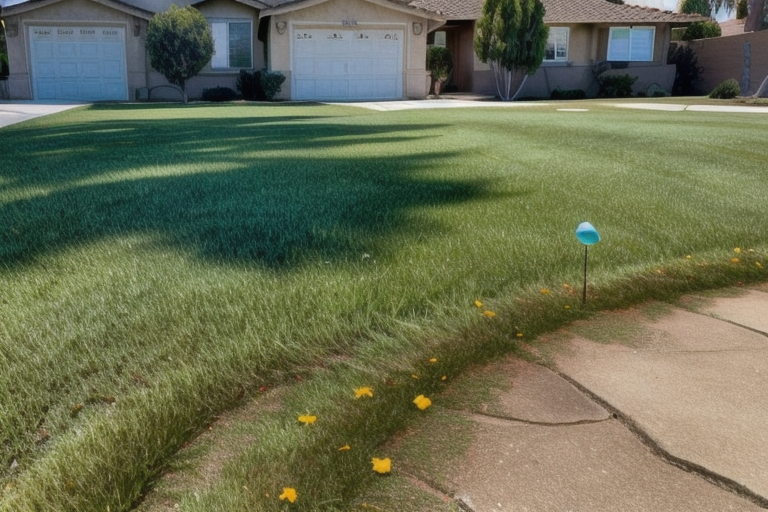
The summer sun over the Sutter Buttes does not just bring longer evenings and backyard barbecues. It brings a quiet, compounding stress to the turf that anchors Yuba City's most refined residences. When temperatures climb into the triple digits and the Valley's dry season tightens its grip, even well-maintained lawns begin showing early signs of decline. This year's drought vulnerability is not a surprise meteorological event. It is the inevitable result of how local soil chemistry, microclimate dynamics, and legacy irrigation habits intersect under sustained heat. Understanding these forces is the first step toward transforming a fragile lawn into a resilient, high-performing landscape that holds its color deep into October.
If your grass is already thinning, browning, or pulling away at the edges, professional lawn care from Boxpro Express can stop the cycle before permanent root damage sets in. Call us at (530) 443-8990 to schedule a property assessment.
The Microclimate Challenge: Yuba City's Unique Environmental Pressures
Yuba City sits at the edge of the Valley floor, where broad heat exchange meets localized wind channels shaped by the Sutter Buttes and the Feather River corridor. This geography creates a distinct thermal footprint that most generic lawn care advice completely ignores. Mornings warm quickly here. Afternoons radiate stored heat from paved surfaces, concrete walkways, and compacted earth well into the evening hours. The result is a prolonged evapotranspiration window that outpaces the moisture capacity of standard turf varieties planted across the region.
Homeowners who treat their lawns with a one-size-fits-all watering approach often find themselves fighting a losing seasonal battle without ever understanding the underlying mechanics. A lawn in central Yuba City near the hospital district faces different wind exposure, shade patterns, and soil drainage than a property out near the agricultural edges of Sutter. The microclimate story changes block by block, and the watering strategy that keeps one lawn green can slowly kill another just three streets over.
The Feather River provides some seasonal humidity relief, but that influence drops off rapidly as you move east and south. By mid-July, localized soil moisture deficits emerge faster than most DIY maintenance routines can detect. Grass that looked healthy in June can enter irreversible stress by late July if the watering schedule, soil composition, and mowing height are not tuned to the specific conditions of the property.
Recognizing the Early Warning Signs of Drought Stress
Most homeowners do not realize their lawn is in trouble until large brown patches appear. By that point, the damage has already moved past the surface and into the root zone. The earlier you catch the signals, the easier and less expensive the recovery becomes. Here is what to look for as the dry season intensifies across Yuba City and the surrounding communities.
Footprint test. Walk across your grass in the early morning. Healthy, well-hydrated turf springs back within seconds. If your footprints remain visible for more than a few minutes, the grass blades have lost turgor pressure, which means the root zone is already running dry. This is the single most reliable early indicator that your irrigation schedule needs adjustment.
Color shift. Drought-stressed grass does not turn brown all at once. It first takes on a bluish-gray or silvery hue, particularly in the late afternoon when heat stress peaks. This subtle color change often goes unnoticed until patches begin to brown out completely. If you see a silvery cast spreading across your lawn in July or August, the window for easy intervention is closing fast.
Soil gaps. As soil dries and contracts, you may notice gaps forming along driveway edges, sidewalk borders, and foundation lines. These gaps signal that the clay-heavy soils common throughout Yuba City and Marysville are pulling away from hardscape surfaces, which means moisture is evaporating faster than roots can absorb it. Filling these gaps with fresh topsoil and re-seeding can prevent further shrinkage.
Thinning and bare patches. Areas that receive full afternoon sun with no shade cover will thin out first. The north-facing slopes of properties near Live Oak and Gridley, where agricultural land meets residential development, are particularly vulnerable because the open exposure maximizes evaporation throughout the day.
Step-by-Step: Rebuilding a Drought-Damaged Lawn
Recovering a lawn from drought stress is not a single weekend project. It requires a sequenced approach that addresses soil health, root development, and moisture management in the right order. Skipping steps or rushing the process almost always results in a lawn that looks green for two weeks and then collapses again when the next heat wave arrives. Here is how Boxpro Express approaches the rebuild.
Step 1: Deep soil assessment. Before any treatment begins, we evaluate the soil profile on your property. Yuba City's native soils range from heavy clay in the valley floor to sandy loam near the river corridor. Each soil type holds water differently, and the irrigation schedule must match the soil's actual permeability. We test compaction levels, identify thatch buildup, and check for nutrient deficiencies that may have been masked by previous fertilization programs.
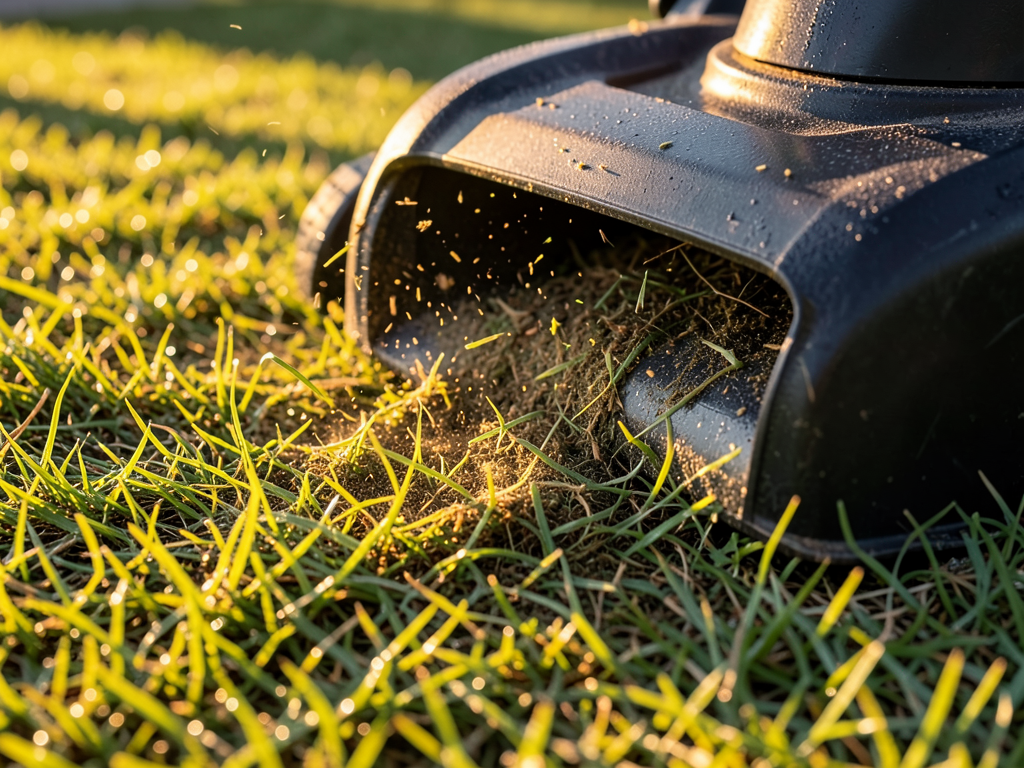
Step 2: Core aeration. Compacted soil is the number one reason lawns fail during drought. When the ground is tight, water runs off the surface instead of penetrating to the root zone. Core aeration pulls small plugs of earth from the lawn, opening channels for water, air, and nutrients to reach the roots. This step alone can reduce water usage by twenty to thirty percent because moisture finally reaches where the grass can actually use it.
Step 3: Topdressing and soil amendment. After aeration, we apply a thin layer of organic compost blended for local soil conditions. This topdressing fills the aeration holes with nutrient-rich material and improves the soil's ability to retain moisture over time. For properties with heavy clay, we may add gypsum to break up compacted layers and improve drainage. For sandy soils near the Feather River corridor, we focus on organic matter that increases water-holding capacity.
Step 4: Overseeding with drought-tolerant varieties. Many Yuba City lawns were planted with cool-season grasses that simply are not built for sustained triple-digit heat. We overseed with improved tall fescue and hybrid varieties that have deeper root systems and better drought tolerance. These grasses can survive on significantly less water while maintaining a rich green appearance through the hottest months.
Step 5: Irrigation recalibration. Most irrigation systems in Yuba City are set to run short cycles every day. This trains grass roots to stay shallow, which makes the lawn more vulnerable to drought. We reconfigure irrigation schedules to run longer, less frequent cycles that push water deep into the soil and encourage roots to grow downward. Deep roots access moisture that shallow roots cannot reach, which is the fundamental difference between a lawn that survives August and one that burns out.
Step 6: Mowing height adjustment. Cutting grass too short is one of the most common mistakes we see across Yuba City, Linda, and Olivehurst. Short mowing exposes the soil surface to direct sun, increases evaporation, and stresses the plant. We raise mowing height to three and a half inches during peak summer, which shades the soil, cools the root zone, and reduces water demand substantially.
What Lawn Care Costs in the Yuba-Sutter Region
Pricing for lawn care depends on several factors that vary from property to property. Lot size, current condition, slope, accessibility, and the scope of work all influence the final quote. A small residential lawn in Plumas Lake that needs routine maintenance will cost less than a half-acre property in Sutter with significant drought damage requiring a full renovation.
At Boxpro Express, we provide custom quotes based on a physical assessment of your property. This approach ensures you only pay for the services your lawn actually needs rather than a generic package that may include unnecessary treatments. We also offer handyman services for irrigation system repairs, fence adjustments, and other property maintenance that often accompany lawn recovery projects. And if drought recovery means clearing out dead brush, old sod, or yard debris, our junk removal team can handle the haul-away in the same visit.
To get a quote tailored to your property, call (530) 443-8990 and schedule an on-site evaluation.
Serving Every Corner of Yuba-Sutter
Boxpro Express provides lawn care and property maintenance across the entire Yuba-Sutter region. Each community has its own environmental conditions that affect how lawns respond to drought and heat.
Yuba City: Established neighborhoods with mature trees create complex shade patterns that require customized mowing and watering strategies. Properties near the hospital district and the downtown core face urban heat island effects that accelerate moisture loss.
Linda: Newer homes with developing soil profiles often struggle with compaction and shallow topsoil. These properties benefit from aeration and amendment programs that build long-term soil structure.
Marysville: Older housing stock means mature landscapes with decades of thatch accumulation. Properties near the river corridor have different drainage characteristics than those on higher ground.
Live Oak: Tight-knit community where word-of-mouth drives everything. Budget-conscious homeowners appreciate our transparent quoting and no-contract service model.
Gridley: Rural agricultural feel means larger lots and more open exposure. Lawns here face full-day sun with minimal wind protection, requiring deeper watering protocols.
Olivehurst: Dense residential blocks with a mix of renters and owners. Landlord cleanup angles include lawn recovery between tenant transitions, which we handle alongside standard maintenance.
Plumas Lake: Newer development with premium curb appeal expectations. Commuter families want maintenance that fits their schedule without sacrificing quality. Drought-tolerant conversions are popular here.
Sutter: Agricultural and rural properties with storm debris and seasonal yard care needs. Larger acreage requires equipment and protocols designed for scale.
Wheatland: Small-town ranch properties where word-of-mouth reputation matters most. Our service builds on reliable, consistent results that neighbors talk about.
Why Boxpro Express for Your Lawn Recovery
We are not a national franchise. We are a local crew that lives and works in Yuba-Sutter, and we understand the specific growing conditions that make lawns succeed or fail here. Our approach is grounded in soil science, not generic checklists. Every property gets a customized plan based on what the grass, the soil, and the irrigation system actually need.
Sueane Richards, a homeowner we recently worked with, described her experience this way: prompt response, fair pricing, and a polite crew that took the time to explain what her lawn needed and why. That is the standard we hold ourselves to on every job.
We also understand that lawn care does not happen in isolation. A drought-damaged lawn often signals problems with irrigation lines, drainage grading, or soil structure that may require handyman-level repairs. Our team can assess the full picture in a single visit rather than sending you to three different contractors. During the spring 2026 season, we are prioritizing lawn care as our primary service focus, which means faster scheduling and more dedicated attention to every property we serve.
Frequently Asked Questions
How often should I water my lawn during a Yuba City summer?
Most lawns in Yuba City need deep watering two to three times per week during peak summer, not daily light sprinkling. Each session should deliver enough water to penetrate four to six inches into the soil. This encourages roots to grow deeper, making the lawn more drought-resistant. We assess your soil type and irrigation system to recommend a precise schedule tailored to your property.
Can a completely brown lawn be saved, or do I need to start over?
In many cases, a brown lawn is dormant rather than dead. Cool-season grasses like tall fescue can survive extended dry periods by going dormant, then recover when moisture returns. We can test your root zone to determine whether the grass is dormant or truly dead. If the roots are still viable, aeration, deep watering, and overseeding can bring it back without a full renovation.
What grass varieties grow best in the Yuba-Sutter climate?
Tall fescue is the most drought-tolerant cool-season grass available for our region. It develops root systems up to three feet deep, which gives it access to moisture that shallow-rooted varieties cannot reach. For high-traffic areas, we may recommend a blend of tall fescue and perennial ryegrass for durability. We avoid varieties that require excessive water or are not suited to triple-digit Valley temperatures.
When is the best time to aerate and overseed a lawn in Yuba City?
Early fall, typically September through October, is the optimal window for aeration and overseeding in Yuba City. Soil temperatures are still warm enough for seed germination, but the extreme heat has passed, giving new grass a chance to establish before winter. Spring aeration is also effective, particularly for lawns that suffered heavy drought damage and need an early recovery push.
Do you offer one-time service or do I need a contract?
We offer both one-time lawn care visits and ongoing maintenance programs. There is no long-term contract required. If you need a single aeration and overseeding service, we can do that. If you prefer regular weekly or biweekly maintenance, we set up a schedule that works for your property and budget. Call (530) 443-8990 to discuss your needs.
Boxpro Express LLC · 175 Nantucket Way, Yuba City, CA 95993 · (530) 443-8990
Ready to Build in Yuba City? Design Online or Talk with Jessica.
Lock in your transparent ballpark price in 60 seconds with our interactive 3D configurator, or talk live with Jessica, our project concierge, for instant answers and next Sunday measurement walk reservations.
Related Field Guides & Architectural Case Studies
Hand-framed 10x12 & 15x8 detached studios • 4-day builds • 100% permit-exempt under CRC § R105.2