Why Yuba City Lawns Are Dying Under 105°F Summers — And How to Fix It
Professional lawn-care in Yuba City. Boxpro Express offers same-day service and free estimates. Call (530) 978-8081.
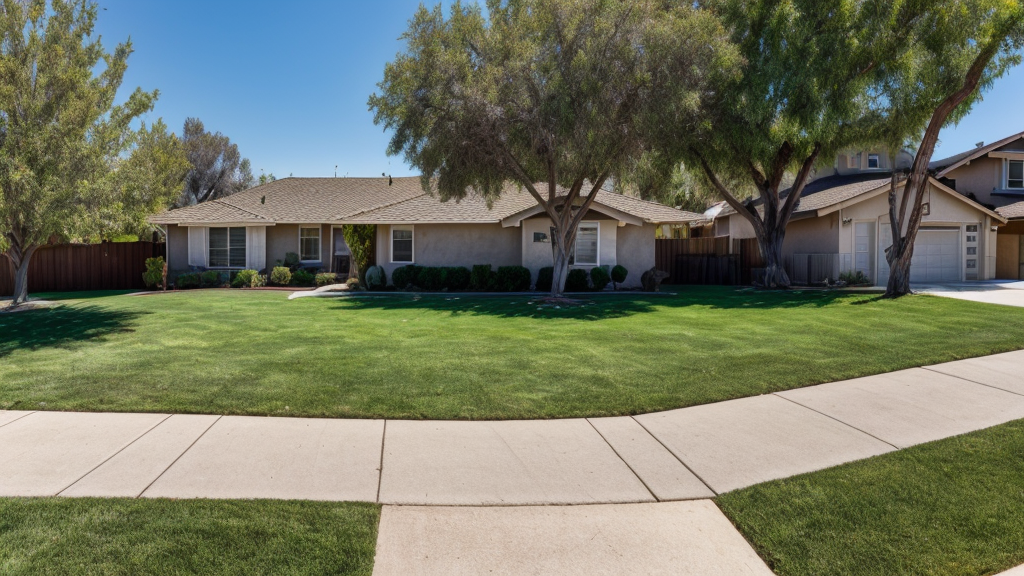
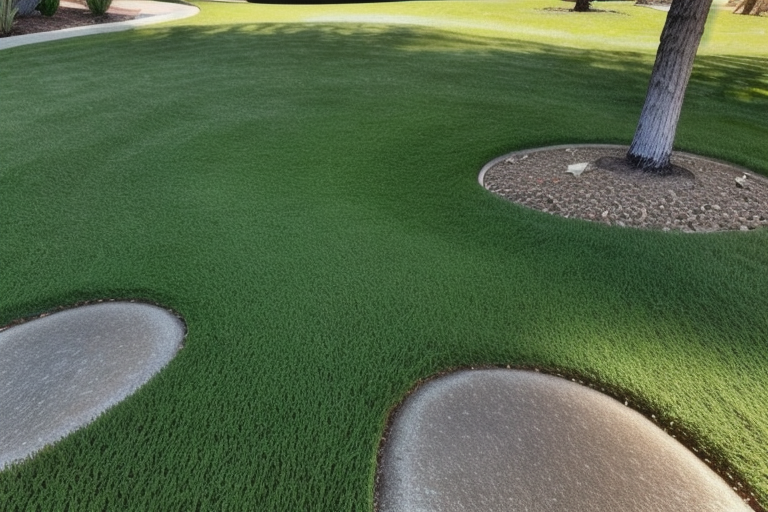 lawn care service in Yuba City" class="forge-hero-image" style="width:100%;height:auto;border-radius:12px;margin-bottom:2rem;object-fit:cover;box-shadow:0 4px 20px rgba(0,0,0,0.1);" loading="eager" />
The Quiet Panic of an August Lawn
There is a specific kind of frustration that hits Yuba City homeowners every August. You follow the same watering schedule you always have. You mow to the same height. You fertilize on the same cycle. And yet, week by week, your once-vibrant green lawn surrenders to dusty brown patches and crispy edges that crunch underfoot like stale bread. It is not neglect. It is a war of attrition against a relentless valley sun that regularly pushes past 105 degrees and holds there for days at a time.
Your lawn is not just thirsty. It is undergoing a fundamental physiological battle for survival, and most homeowners are fighting it blind. Understanding what is actually happening beneath the surface is the first step toward reclaiming a yard that does not just survive our extreme summers but thrives with a resilient, healthy lushness that turns heads in the neighborhood. Whether you live near the Feather River corridor or up toward the Sutter Buttes, the same Valley sun beats down on every blade of grass in this region.
The Science of Scorch: What 105°F Really Does to Your Grass
It is easy to think of summer lawn stress as a simple lack of water. While hydration is absolutely critical, the core issue is something called evapotranspiration. This is the combined process of water evaporating from the soil surface and transpiring through the grass blades themselves. Under a 105-degree Yuba City sun, this rate skyrockets to levels that would shock most homeowners. Your lawn attempts to cool itself through transpiration, but that same cooling process can actually dehydrate the plant faster than you can replenish the soil, even with daily watering.
Extreme heat forces the grass plant into survival mode. It shuts down active growth, diverts all available energy to root preservation, and may even enter dormancy as a last-ditch effort to stay alive. The problem intensifies dramatically with the heavy clay soils common throughout the Yuba-Sutter region. Clay compacts easily under foot traffic and mowing equipment, creating a sealed surface where water pools and runs off into the gutter rather than penetrating to the deep root zones where the grass needs it most. Shallow roots from frequent, light watering become utterly incapable of reaching deeper moisture reserves, leaving the plant critically vulnerable the moment a heat wave settles in.
Here is what most people miss: the damage is cumulative. Each day above 100 degrees without proper deep-soil moisture compounds the stress. By the time you see brown patches in July, the damage started weeks earlier in June when the clay was already cracked and hydrophobic. The soil literally repels water at that point, and no amount of surface watering will fix it without intervention.
The Triple Threat: Heat, Clay Soil, and Wrong Grass Types
Many Yuba City lawns were planted years ago with traditional cool-season grasses like tall fescue or perennial rye. These varieties thrive in mild coastal climates where temperatures rarely exceed 85 degrees. In our Valley, where triple-digit days can stretch into multi-week stretches from June through September, these grasses are operating well outside their comfort zone. They burn more calories staying alive than they can replace through photosynthesis, and the lawn slowly starves to death even with adequate watering.
The clay soil underneath makes everything worse. Clay holds water tightly, which sounds good until you realize it also means water moves through it slowly. When clay dries out completely during a heat wave, it shrinks, cracks open, and becomes nearly waterproof. Your irrigation runs for twenty minutes, the water sits on top, and most of it evaporates before it ever reaches the roots. Meanwhile, the lawn is baking on a hard, impenetrable surface that gets hotter than the air temperature above it. We have measured soil surface temperatures of 130 degrees on bare clay in direct sun. That is hot enough to cook roots alive.
The third piece of the puzzle is mowing height. Homeowners often mow too short, thinking it will reduce watering needs or keep the yard looking tidy. In reality, scalping a lawn in summer removes the leaf surface the grass needs for photosynthesis and exposes the soil to direct sun, accelerating evaporation and soil temperature spikes. A lawn mowed at two inches in July will burn out weeks before one mowed at three and a half inches.
How Boxpro Express Rebuilds Dying Lawns
Our lawn care program does not just throw fertilizer at the problem. We start with a soil assessment to understand what your specific yard is dealing with. Every lawn in Yuba City has slightly different soil composition, sun exposure, and drainage characteristics. A lawn in the older established neighborhoods near downtown has different needs than a new build in Plumas Lake with compacted construction-grade soil.
The recovery process typically follows a structured sequence. First, we address compaction with core aeration, pulling plugs from the soil to allow water, oxygen, and nutrients to penetrate below the surface. This alone can transform a struggling lawn within weeks. Second, we apply a soil-wetting agent that breaks the hydrophobic barrier on dried clay, allowing irrigation to finally soak in rather than run off. Third, we adjust your mowing height upward to give the grass more leaf surface for photosynthesis and better soil shading. Fourth, we implement a deep, infrequent watering schedule that trains roots to grow downward instead of staying shallow at the surface.
For lawns with extensive dead patches or the wrong grass type entirely, we handle overseeding with heat-tolerant Bermuda or St. Augustine varieties that are built for Valley conditions. These warm-season grasses actually thrive in 100-degree heat, going dormant only when temperatures drop in winter. They require less water, handle clay soil better, and recover from damage faster than cool-season varieties. The transition takes planning and timing, but the result is a lawn that looks great in August instead of looking like a hay field.
City-by-City Lawn Challenges Across Yuba-Sutter
Every community in our service area faces slightly different lawn care challenges. Here is what we see across the region:
Yuba City: Established neighborhoods with mature trees create heavy shade pockets that thin out lawns, while open areas bake. Mixed sun-and-shade yards need zone-specific care strategies.
Linda: Newer construction with compacted builder soil. These lawns often struggle from day one because the topsoil was scraped during development and never properly restored.
Marysville: Older housing stock means older lawns with decades of thatch buildup. Many yards also sit in flood-zone proximity, which creates drainage issues that drown roots in wet years and bake them in dry ones.
Live Oak: Tight-knit community where word of mouth drives everything. Budget-conscious homeowners appreciate our call-for-quote pricing because they only pay for what their specific lawn needs, not a one-size-fits-all package.
Gridley: Rural feel with agricultural debris, older farmhouses, and larger lots. These lawns often deal with wind-blown weed seeds from surrounding fields and need aggressive pre-emergent strategies.
Olivehurst: Dense residential with a mix of renters and owners. Landlord cleanup angles apply here when rental properties have neglected yards that need a full reset before new tenants move in.
Plumas Lake: Newer development with premium curb appeal expectations. Commuter families want a lawn that looks immaculate but do not have time to maintain it themselves. Our regular service keeps these properties looking sharp year-round.
Sutter: Agricultural and rural properties with storm debris and seasonal yard care needs. Larger lots mean more mowing time, and many properties have areas where lawn transitions to pasture or native ground cover.
Wheatland: Small town with ranch properties. Word of mouth is everything here, and residents trust neighbors' recommendations. We handle everything from small residential lawns to larger ranch-adjacent properties that need heavy-duty mowing equipment.
Seasonal Lawn Care Calendar for Yuba-Sutter Homeowners
Spring is the most critical season for lawn recovery in our region. March through May is when you set the foundation for how your lawn will perform when the heat arrives. Aeration, soil amendment, pre-emergent weed control, and mowing height adjustments all need to happen during this window. If you wait until June to start thinking about lawn health, you are already behind.
Summer requires discipline. Deep watering once or twice per week is far better than daily shallow sprinkling. Mow high, never remove more than one-third of the blade height in a single cut, and keep mower blades sharp. Dull blades tear the grass rather than cutting it cleanly, which creates ragged edges that lose moisture faster and invite disease.
Fall is recovery time. Once temperatures drop below 90 degrees consistently, warm-season grasses store energy for winter dormancy while cool-season grasses get a second wind. This is the time for overseeding, fertilization, and any major renovation work. Winter is mostly observation, though we do handle debris cleanup and preparation for spring during the quieter months.
Why Professional Lawn Care Pays for Itself
Many homeowners hesitate to call a professional because they think lawn care should be a DIY task. There is logic to that, but the reality is that most homeowners are working with the wrong information, the wrong tools, and the wrong timeline. A single bag of the wrong fertilizer applied at the wrong time can burn out a lawn that would have been fine otherwise. A mowing schedule that is too aggressive can undo months of careful watering and soil work.
Professional lawn care through Boxpro Express means you get the right treatment at the right time, every time. We know the soil in Yuba City because we work in it every week. We know which lawns need aeration in March and which ones need a wetting agent in June. We know the difference between heat dormancy and actual dead grass, and we can tell you whether your brown patches will recover on their own or need intervention.
If your property also needs help beyond lawn care, our handyman services can handle fence repair, irrigation system fixes, and other property maintenance. If yard cleanup requires hauling away debris, old sod, or yard waste, our junk removal team can take care of that too.
One of our customers, Julie Hall, had this to say about working with our crew: the team left her property spotless after a concrete removal job. That same attention to detail applies to every service we provide, including lawn care. Sueane Richards noted our prompt response and fair pricing, and Nick H was impressed by the speed and professionalism of our crew. These are real homeowners in our community, not invented testimonials.
Pricing: What to Expect
Lawn care pricing varies based on your specific property. Lot size, grass type, current condition, and the scope of services you need all factor into the quote. We do not believe in one-size-fits-all packages because no two lawns in Yuba-Sutter are exactly alike. That is why we ask you to call for a quote rather than posting a flat rate that may not apply to your situation.
What we can tell you is that we price based on real costs and fair margins, not inflated numbers designed to make you negotiate. You will know what you are paying for before we start, and there are no surprise charges after the work is done. Call us at (530) 978-8081 to discuss your lawn and get an honest assessment of what it needs and what it will cost.
Take Action Before the Heat Arrives
Every week you wait to address lawn health in spring makes the summer battle harder. The homeowners who have the best-looking lawns in August are the ones who started working on them in March and April. If your lawn struggled last summer, it will struggle again this summer unless something changes. The clay is still compacted. The roots are still shallow. The grass type is still wrong for this climate.
Call Boxpro Express at (530) 978-8081 and let us evaluate your lawn before the 105-degree days arrive. We will tell you exactly what your yard needs, what it will cost, and what results you can expect. No pressure, no sales pitch, just honest answers from a crew that has been working in Yuba-Sutter soil for years.
Frequently Asked Questions
How often should I water my Yuba City lawn during summer?
For established lawns in the Yuba-Sutter region, deep watering two to three times per week is far more effective than daily light sprinkling. You want the water to penetrate six to eight inches into the soil to encourage deep root growth. During extreme heat waves above 105 degrees, you may need to add an additional cycle, but the goal is always deep soaking rather than frequent surface wetting. Clay soils absorb water slowly, so shorter cycles with breaks in between are better than one long session that produces runoff.
Can my brown lawn recover or is it dead?
It depends on the grass type and the extent of the damage. Warm-season grasses like Bermuda can go dormant during extreme heat and recover fully when conditions improve. Cool-season grasses like fescue have a harder time bouncing back once they lose more than fifty percent of their green canopy. The best way to tell is to pull a brown blade gently. If it resists and the base shows any green, the plant is alive. If it pulls out easily with no resistance, that section is dead and will need reseeding or resodding. We can assess this during a site visit.
When is the best time to aerate my lawn in Yuba City?
For warm-season grasses, late spring is ideal. May gives the grass time to recover and fill in the aeration holes before summer heat arrives. For cool-season grasses, early fall is better because the grass is entering its active growth period and can heal quickly. Aeration should be done annually on heavy clay soils, which are common throughout Yuba City, Marysville, and the surrounding communities. Combining aeration with a soil-wetting agent and deep watering produces the best results for heat-stressed lawns.
Should I switch from fescue to Bermuda grass?
For most Yuba City homeowners dealing with repeated summer burnout, yes. Bermuda grass is native to hot climates and thrives in our Valley heat. It requires about half the water of fescue, handles clay soil better, and recovers from damage quickly. The tradeoff is that Bermuda goes dormant and turns brown in winter, typically from November through March. If you want year-round green, you can overseed with rye in fall, though that adds maintenance. We can help you decide based on your specific yard conditions and how much summer survival matters versus winter color.
How much does professional lawn care cost in Yuba City?
Pricing depends on your lot size, current lawn condition, grass type, and the specific services needed. Basic mowing and edging costs less than a full renovation involving aeration, soil amendment, and overseeding. We provide quotes based on your actual property rather than a generic price list, because a small lawn in Wheatland has very different needs from a large property in Sutter. Call us at (530) 978-8081 for a personalized quote, and you will know the cost before we begin any work.
Boxpro Express LLC · 175 Nantucket Way, Yuba City, CA 95993 · (530) 978-8081
Ready to Get Started?
Call Boxpro Express today for a free estimate on your project in Yuba City and surrounding areas.
📞 Call (530) 978-8081