The Hidden Dangers of Overgrown Lawns in Yuba City and How to Stay Safe
Professional lawn-care in Yuba City. Boxpro Express offers same-day service and free estimates. Call (530) 978-8081.
The Hidden Dangers of Overgrown Lawns in Yuba City and How to Stay Safe
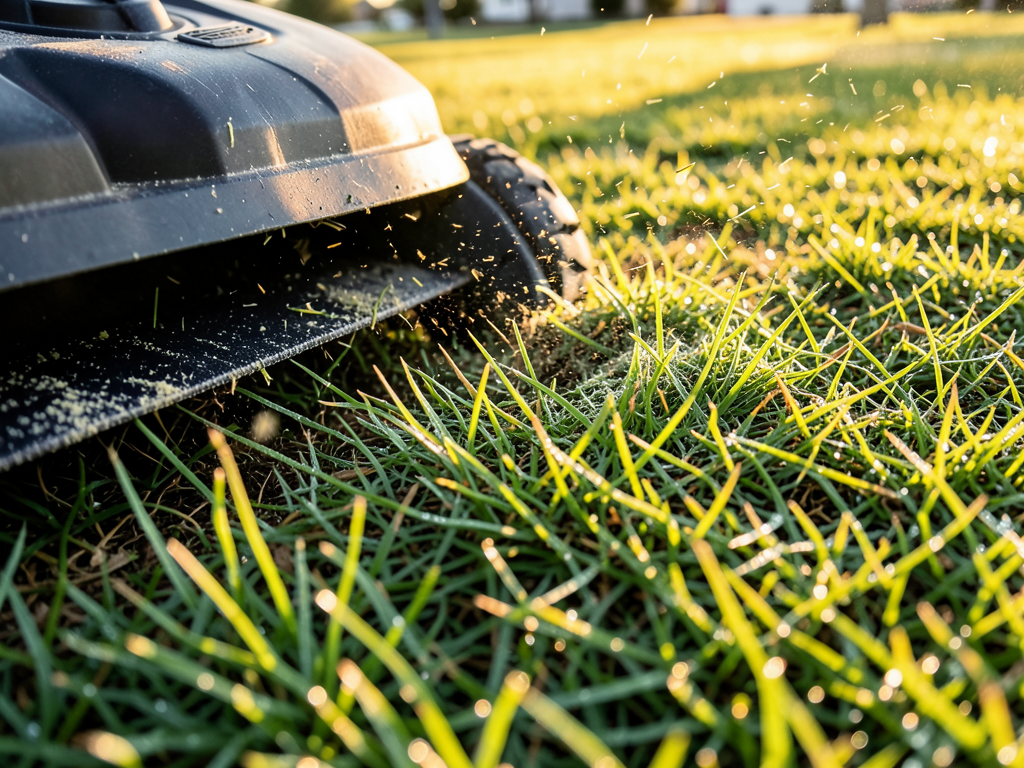
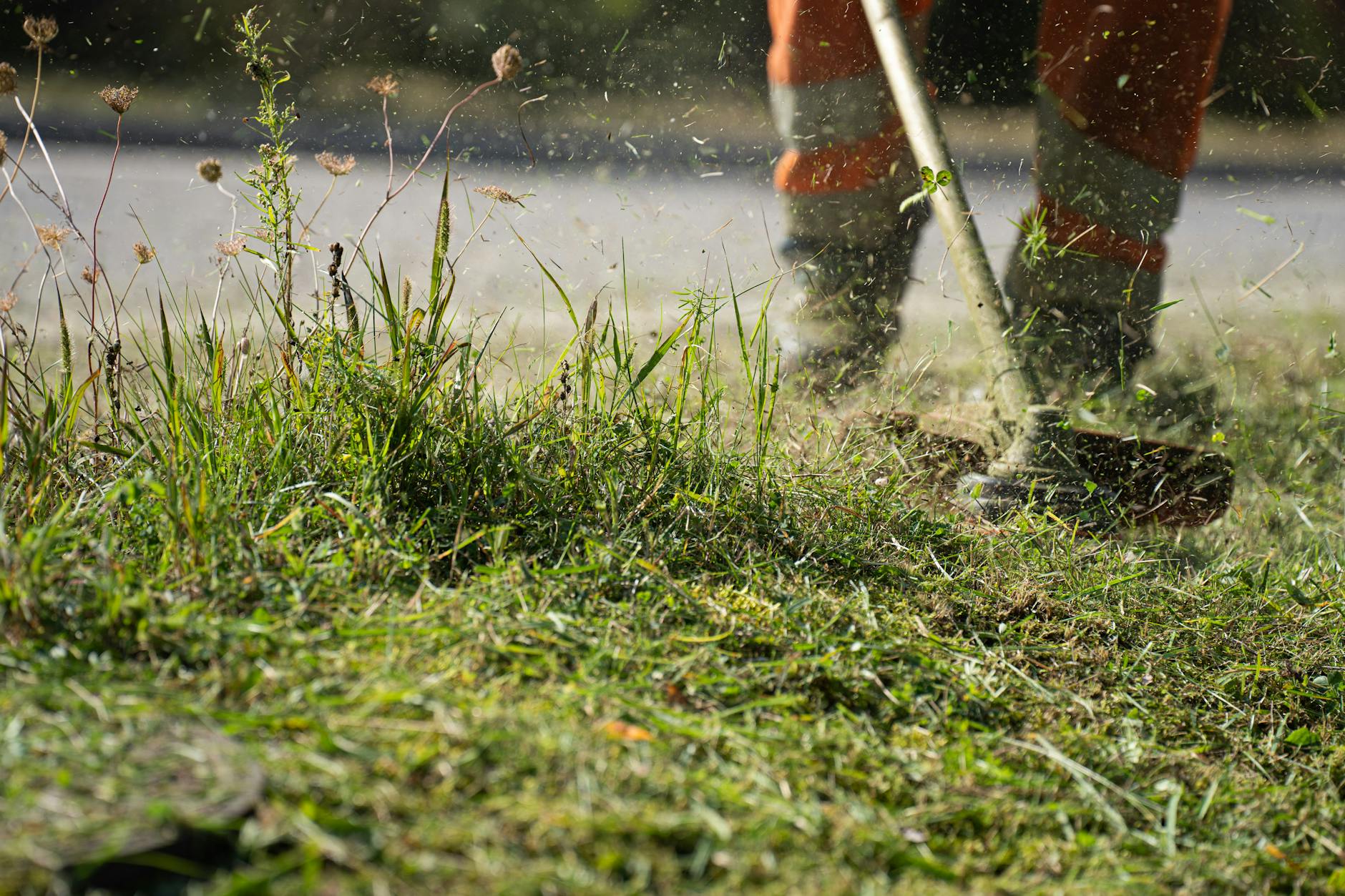
There’s a certain rustic charm to a meadow-like yard, but in the heart of the Sacramento Valley, an overgrown lawn is less a picturesque scene and more a ticking clock of hazards. For homeowners in Yuba City, from the neighborhoods bordering the Sutter Bypass to the streets lining the picturesque Marysville Road, that seemingly innocent tangle of grass and weeds poses unique risks tied directly to our climate, soil, and local ecosystem. It’s not just about curb appeal; it’s about protecting your property, your family, and your peace of mind.
Our region’s long, hot summers and heavy clay soil create a perfect storm for explosive plant growth. A few weeks of neglect can transform a neat turf into a dense jungle, hiding a multitude of problems beneath the surface. Understanding these hidden dangers is the first step toward reclaiming a safe and functional outdoor space.
The Unseen Trip and Fall Hazards
An uneven, overgrown lawn is a minefield. As grass grows tall and thick, it obscures the true topography of your yard. What was once a flat expanse can now conceal:
* Sunken utility covers for irrigation or septic systems.
* Hidden holes and erosion caused by pesky gophers or ground squirrels—both prevalent in our area.
* Root upheaval from mature trees like our abundant valley oaks or ornamental plums, creating sudden trip lines.
* Sticks, rocks, and debris that become invisible weapons beneath the canopy.
For families with children or elderly homeowners, these obscured hazards are a primary concern. A simple step out the back door can lead to a sprained ankle or worse. Regular mowing and edging are essential to maintain a visible, level playing field—literally.
The Pest Welcome mat
Yuba City’s climate is a haven for wildlife, and an overgrown lawn rolls out the red carpet for unwanted tenants.
* Rodents and Gophers: Tall grass provides cover and food sources for gophers and field mice. Their burrowing not only kills grass but creates extensive tunnel networks that undermine walkways, patios, and even foundations.
* Snakes: We’re home to both native, beneficial gopher snakes and, more critically, rattlesnakes. They are attracted to the shade, moisture, and rodent populations that thrive in unkempt yards.
* Ticks and Fleas: The damp, shaded understory of long grass is the ideal habitat for ticks, including those that carry Lyme disease, and fleas that can hitch a ride into your home on pets.
* Africanized Honey Bees: While most bees are beneficial, defensive colonies can establish in ground holes, old rodent burrows, or within dense, low-lying vegetation. An unsuspecting lawnmower or gardener can disturb a hive with dangerous consequences.
A well-maintained lawn, kept at an appropriate height for our turf grasses (typically 2.5 to 3.5 inches for many local varieties), disrupts these pest habitats and makes your yard less attractive to them.
The Fire Fuel Load
This is perhaps the most critical and region-specific danger. Yuba City experiences long, dry, and hot summers with low humidity. Dead grass at the base of live, overgrown turf creates a “ladder fuel” scenario.
* Fine, dry thatch acts as ready tinder, allowing a ground fire to ignite easily.
* Tall, dry grass blades can carry flames vertically, allowing fire to climb into tree canopies or shrubbery closer to your home’s structure.
* Weeds like Russian Thistle (tumbleweed) or Hercules’ club become massive, dry firebrands that can roll with the wind.
Fire safety officials consistently emphasize creating a “defensible space” around homes. A lawn that is regularly mowed, watered appropriately, and kept clear of dead material is a fundamental part of that defensive buffer. It’s a non-negotiable component of home protection in Northern California.
Structural and Foundational Risks
Water is a home’s slowest and most expensive enemy. An overgrown lawn directs water inefficiently.
* Poor Drainage: Thatch buildup prevents water from penetrating to roots, causing runoff. This runoff pools against your home’s foundation, especially if the yard is sloped incorrectly—a common issue in some parts of the city.
* Hidden Moisture: Dense vegetation holds moisture against siding, fences, and decks, accelerating rot and decay. It also hides soil saturation that can lead to foundation settling issues.
* Clogged Gutters: Seed heads and debris from overhanging, unpruned branches drop into gutters, causing clogs that lead to overflow and cascade down exterior walls.
Keeping vegetation trimmed back from your home’s perimeter—at least 6 to 12 inches—is a crucial practice to allow for air circulation and visual inspection of your home’s most vulnerable areas.
When Your Best Efforts Aren’t Enough
We champion the DIY spirit. For routine mowing and weeding, it’s a rewarding task. But there are clear thresholds where professional intervention isn’t a luxury—it’s a necessity for safety and long-term health.
The "Too Far Gone" Scenario: If your lawn has reached knee-height or higher, with thick, mature stems and a significant thatch layer, a standard walk-behind mower will struggle. It can bog down, stall, or even kick up debris dangerously. This often requires professional-grade equipment and expertise to cut down in stages without damaging the mower or the remaining turf.
The Specialized Equipment Need: Dealing with the dense, fibrous roots of our local bermudagrass or invasive species like dallisgrass often requires more than a mower. Professional services have access to brush cutters, sod cutters, and even mini-excavators for complete removal and reset, which is sometimes the only long-term solution.
The Time and Physicality Gap: The Yuba City lifestyle is busy. The physical demand of tackling a severely overgrown lot—the raking, hauling, and repeated cuttings—is substantial. For many, the time cost outweighs the DIY savings, especially when the work must be done on weekends in peak heat.
The Knowledge Component: Knowing *how* to cut, *when* to water afterward, and *what* to apply (pre-emergent herbicide? soil amendment?) to prevent a rapid recurrence requires local horticultural knowledge. Our soil pH, common weed pressures, and turf types differ from other regions.
The Boxpro Express Advantage: More Than Just a Cut
This is where a dedicated local provider transforms a chore into a strategic property upgrade. We approach an overgrown lawn not as a simple mowing job, but as a diagnostic and remediation process.
Our process is rooted in local reality:
1. Assessment: We evaluate your specific grass type (likely a warm-season variety like bermudagrass or a cool-season mix like fescue), soil compaction, weed pressure, and irrigation efficiency. We look for the pest and drainage clues mentioned above.
2. Strategic Height Reduction: For severely overgrown areas, we don’t just scalp the lawn. We often use a multi-height cutting strategy over several visits to gradually reduce the grass mass, minimizing stress on the plant and preventing shock that could invite weeds.
3. Thatch Management & Cleanup: We meticulously bag clippings when thatch is excessive and ensure all debris is removed. Leaving a mountain of clippings on a damp, overgrown lawn suffocates the grass underneath and creates a perfect mold environment.
4. Edging and Definition: We restore clean lines between lawn, garden beds, and walkways. This is a major aesthetic upgrade that instantly makes the yard look managed and intentional, while also physically preventing grass from invading other spaces.
5. Actionable Recommendations: After we’ve cleared the chaos, we provide you with a simple, seasonally appropriate plan. This might include adjusting your mower height for our summer heat, identifying a bald patch that needs seeding, or flagging an irrigation head that’s not pitching correctly. We empower you with local knowledge.
Timing is Everything: The Yuba City Seasonal Calendar
* Spring (March-May): The critical window for pre-emergent weed control and the first major mow of the season as growth accelerates. This sets the tone for the year.
* Summer (June-Sept): Mow higher to shade roots and conserve water. This is the season to be vigilant about the fire fuel load. Never let clippings or dead material accumulate.
* Fall (Oct-Nov): The best time for lawn renovation—dethatching, aerating our compacted clay soil, and overseeding—if you have a cool-season grass. Also, the final major cleanup before winter dormancy.
* Winter (Dec-Feb): Growth slows. Focus is on leaf removal from deciduous trees (like our many cottonwoods and sycamores) to prevent smothering and mold, and on keeping the lawn clear of debris from winter storms.
An overgrown lawn in spring is a warning sign that corrective action is needed before summer’s fire season peaks.
Reclaim Your Safe Sanctuary
Your yard should be an extension of your home—a place of relaxation, play, and pride. An overgrown lawn steals that, transforming your greatest asset into a source of anxiety and risk. The solution is decisive, local, and professional.
Don’t spend your precious weekends fighting a losing battle against a jungle that hides trip hazards, pests, and fire fuel. Put your trust in a team that knows the unique demands of a Yuba City property. We bring the right equipment, the local horticultural understanding, and the commitment to transform your overgrown liability back into the beautiful, safe, and functional sanctuary it’s meant to be.
Ready to eliminate the hidden dangers and reclaim your lawn? Contact the local experts at Boxpro Express for a tailored assessment and quote. Call us today at (530) 978-8081.
Ready to Build in Yuba City? Design Online or Talk with Jessica.
Lock in your transparent ballpark price in 60 seconds with our interactive 3D configurator, or talk live with Jessica, our project concierge, for instant answers and next Sunday measurement walk reservations.