Spring Yard Cleanup in Yuba City: Professional Junk Removal for a Safer, Cleaner Property
Spring Clean: Declutter Your Yard for Better Air Quality in Yuba City Spring is here, but have you noticed how much dust and pollen are already in the air? In Y...
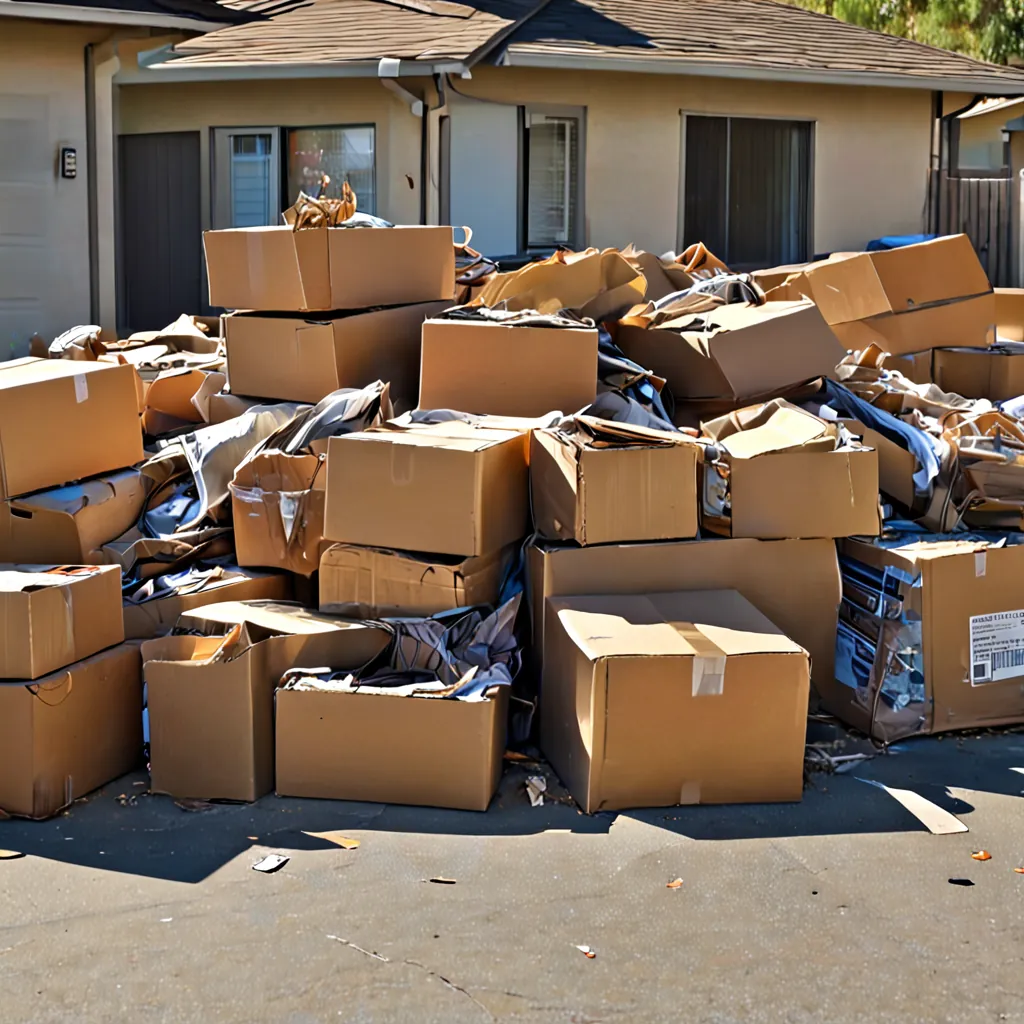
 junk removal service in Yuba City" class="forge-hero-image" style="width:100%;height:auto;border-radius:12px;margin-bottom:2rem;object-fit:cover;box-shadow:0 4px 20px rgba(0,0,0,0.1);" loading="eager" />
Every week you ignore that pile of dead branches, broken patio furniture, and accumulated yard waste, the problem gets worse. Spring in Yuba City brings rapid growth, warming temperatures, and the annual almond harvest bloom that reminds us why we love living here. But with that seasonal awakening comes a surge of yard debris that, left unchecked, does more than just look bad. It can actively degrade the air you and your family breathe.
If your property has become a collection point for organic waste, old construction materials, broken appliances, and forgotten projects, professional junk removal from Boxpro Express can clear it out fast. Let us break down exactly why spring yard decluttering matters, how it impacts air quality in our region, and what you can expect when you call for help.
Why Spring Yard Cleanup Matters in Yuba City
Spring transforms the Yuba-Sutter basin. The Sutter Buttes stand sharp against bright blue skies, the Feather River runs high with seasonal runoff from the mountains to the east, and neighborhoods from Tierra Buena to the historic downtown district come alive with fresh growth. That growth, while beautiful, creates a massive amount of organic debris.
Trees drop branches. Shrubs shed dead material. Lawns produce clippings. And if you had fall or winter projects that never quite got cleaned up, the combination can overwhelm your yard in a matter of weeks. The longer this material sits, the more it dries out, breaks down, and becomes a source of airborne particles that settle on every surface around your home.
Spring is the ideal time to act because the weather cooperates. The ground is workable, temperatures are moderate, and you can get ahead of the dry summer months when dust and allergens peak. A thorough yard cleanup now means you are not fighting accumulated debris in July when the valley heat makes outdoor work miserable. By that point, what started as a small pile has become a major project requiring more time, more labor, and more money to resolve.
Beyond the cosmetic benefits, a clean yard directly supports healthier living conditions. When you remove decomposing organic matter, you reduce mold spores, pollen traps, and dust sources. You also eliminate hiding spots for pests that thrive in undisturbed debris piles. Rodents, insects, and even snakes are drawn to the shelter and moisture that a neglected yard pile provides. Getting rid of that material early in the season protects your family and your property before infestations take hold.
How Yard Clutter Affects Air Quality in the Yuba-Sutter Basin
Our region sits in a valley basin where air can stagnate, especially during the warmer months. When yard waste decomposes on your property, it releases fine particulate matter into the air. Dry grasses, crumbling leaves, and deteriorating wood all contribute to the dust load that hangs over Yuba City on hot, still days. If you have ever noticed a haze over the valley in late summer, you have seen the cumulative effect of thousands of properties with unmanaged organic debris.
Mold is another serious concern. Piles of damp leaves, grass clippings, and organic waste retain moisture and create the perfect environment for mold colonies to establish and spread. As those colonies grow, they release spores into the air that can trigger allergies, asthma attacks, and general respiratory irritation. Children, elderly family members, and anyone with existing respiratory conditions are especially vulnerable to prolonged exposure. Removing the source material eliminates the problem at its root rather than just treating the symptoms with medication or air purifiers.
Pollen accumulation is a third factor that many homeowners overlook. When weeds and ornamental grasses are allowed to go to seed in untended corners of your yard, they produce pollen that lingers in the microenvironment around your home. A thorough cleanup that includes removing dead plant material and bagging seed heads can significantly reduce the pollen load around your living spaces, making spring and early summer far more comfortable for allergy sufferers in your household.
What We Haul Away: Common Spring Yard Debris in Yuba City
Every property is different, but we see the same categories of yard debris across Yuba City year after year. Here is what we typically haul during spring cleanup calls:
- Organic waste: Fallen branches, dead leaves, grass clippings, pulled weeds, and dead shrubs that did not survive the winter freeze
- Broken patio furniture: Rusty chairs, cracked tables, and umbrellas that did not survive the winter storms
- Old lumber and construction scraps: Leftover decking, fencing material, broken concrete chunks, and drywall from indoor renovation projects
- Appliances and equipment: Dead lawnmowers, broken string trimmers, old grills, and outdoor electronics that no longer function
- Miscellaneous junk: Children's outdoor toys past their prime, broken planters, torn tarps, and forgotten project materials stacked against the garage
Whatever has accumulated on your property, we load it, haul it, and sweep the area clean before we leave. You do not need to sort, bag, or stage anything. Just point us at the pile and we handle the rest. Our crew has seen it all, and nothing you have in your yard will surprise us.
Our Step-by-Step Junk Removal Process
We have refined our process over years of serving the Yuba-Sutter community to make it as simple and transparent as possible. Here is exactly what happens when you call Boxpro Express for junk removal:
Step 1: Call and describe your pile. Tell us what you have. Branches, old furniture, construction debris, appliances, or a mix of everything. We will give you a ballpark estimate based on volume and material type. No surprises, no pressure, no obligation.
Step 2: We arrive with the right equipment. Our crew shows up with a BigTex dump trailer and the tools to handle whatever you have accumulated. We do not subcontract or send a generic hauler. This is our team, our truck, and our trailer. You know exactly who is on your property.
Step 3: We load everything. You point at what goes. We lift, load, and secure the material in the trailer. We handle heavy items, awkward shapes, and everything in between. You do not lift a finger or break a sweat.
Step 4: We sweep and leave it clean. Once the trailer is loaded, we sweep the area, pick up any loose debris, and make sure your property looks better than when we arrived. That is the standard, not an upgrade. We take pride in leaving a clean site.
Step 5: We haul and dispose properly. We transport the material to the appropriate facility. Organic waste goes to green waste processing. Metal gets recycled. Construction debris goes to the right disposal site. We handle it responsibly because we live here too, and we care about keeping Yuba-Sutter clean.
Junk Removal Pricing in Yuba City
We believe in upfront pricing with no hidden fees. Our junk removal rates are based on trailer volume and material type. Here is what you can expect when you call:
Minimum load ($275): A small pile of yard waste, a few pieces of furniture, or a single appliance. This is our minimum charge for any truck and trailer rollout, and it covers the crew, equipment, and disposal costs.
Small load ($375): Roughly a quarter trailer full. This covers a moderate yard cleanup with branches, clippings, and a few bulky items like an old grill or broken patio set. This is our most common spring cleanup load.
Half load ($525): About half the trailer. This is common for larger properties with accumulated debris from multiple seasons, or a combination of yard waste and household junk that has built up over the winter.
Full load ($775): A full trailer. This handles major cleanouts: estate clearances, construction site cleanup, or properties with years of accumulated debris that finally needs to go. We can do multiple trips if needed.
When you call, we will ask about your pile and give you an honest estimate over the phone. If the load turns out to be smaller than expected when we arrive, we adjust the price down. No upselling, no bait and switch, no surprise charges on the invoice.
City-by-City Service Area
Boxpro Express serves homeowners and property managers across the entire Yuba-Sutter region. Here is what we commonly see in each community we serve:
Yuba City: Established neighborhoods with mature trees that drop heavy branch loads each spring. Many homes near the downtown core also have ongoing renovation projects that generate construction debris needing prompt haul-away.
Linda: A growing community with newer homes where HOA compliance is an ongoing concern. We help homeowners and landlords keep properties clean and up to neighborhood standards.
Marysville: Older housing stock means more estate cleanouts, renovation debris, and deferred maintenance projects that have finally reached the point where the junk has to go. We handle everything from single-item hauls to full property clearouts.
Live Oak: A tight-knit community where word-of-mouth drives everything. We have built trust here by showing up on time, working efficiently, and doing exactly what we say we will do.
Gridley: Rural properties with agricultural debris, old fencing material, and farm equipment that has reached the end of its useful life. We haul metal, wood, organic waste, and everything in between.
Olivehurst: Dense residential areas with a mix of owners and renters. Landlords regularly use us for turnover cleanouts between tenants, hauling old furniture, appliances, and accumulated junk left behind.
Plumas Lake: Newer developments where premium curb appeal is the expectation. We help homeowners maintain that standard with quick, clean hauls that leave the property looking pristine.
Sutter: Agricultural properties with seasonal storm debris, fallen trees, and accumulated yard waste from large lots that take serious time and equipment to manage on your own.
Wheatland: Small-town properties and ranch homes where word-of-mouth drives our reputation. We show up, work hard, and leave it clean every single time.
Why Choose Boxpro Express for Junk Removal
Boxpro Express LLC · 175 Nantucket Way, Yuba City, CA 95993 · (530) 978-8081 · boxproexpress.com
Ready to Build in Yuba City? Design Online or Talk with Jessica.
Lock in your transparent ballpark price in 60 seconds with our interactive 3D configurator, or talk live with Jessica, our project concierge, for instant answers and next Sunday measurement walk reservations.