How to Create a Low-Maintenance, Water-Efficient Lawn in Yuba City
Low-Maintenance, Water-Efficient Lawn in Yuba City: Your Complete Guide Water costs in Yuba City aren't getting cheaper, and California's ongoing focus on water conservation means that lush, thirsty l...

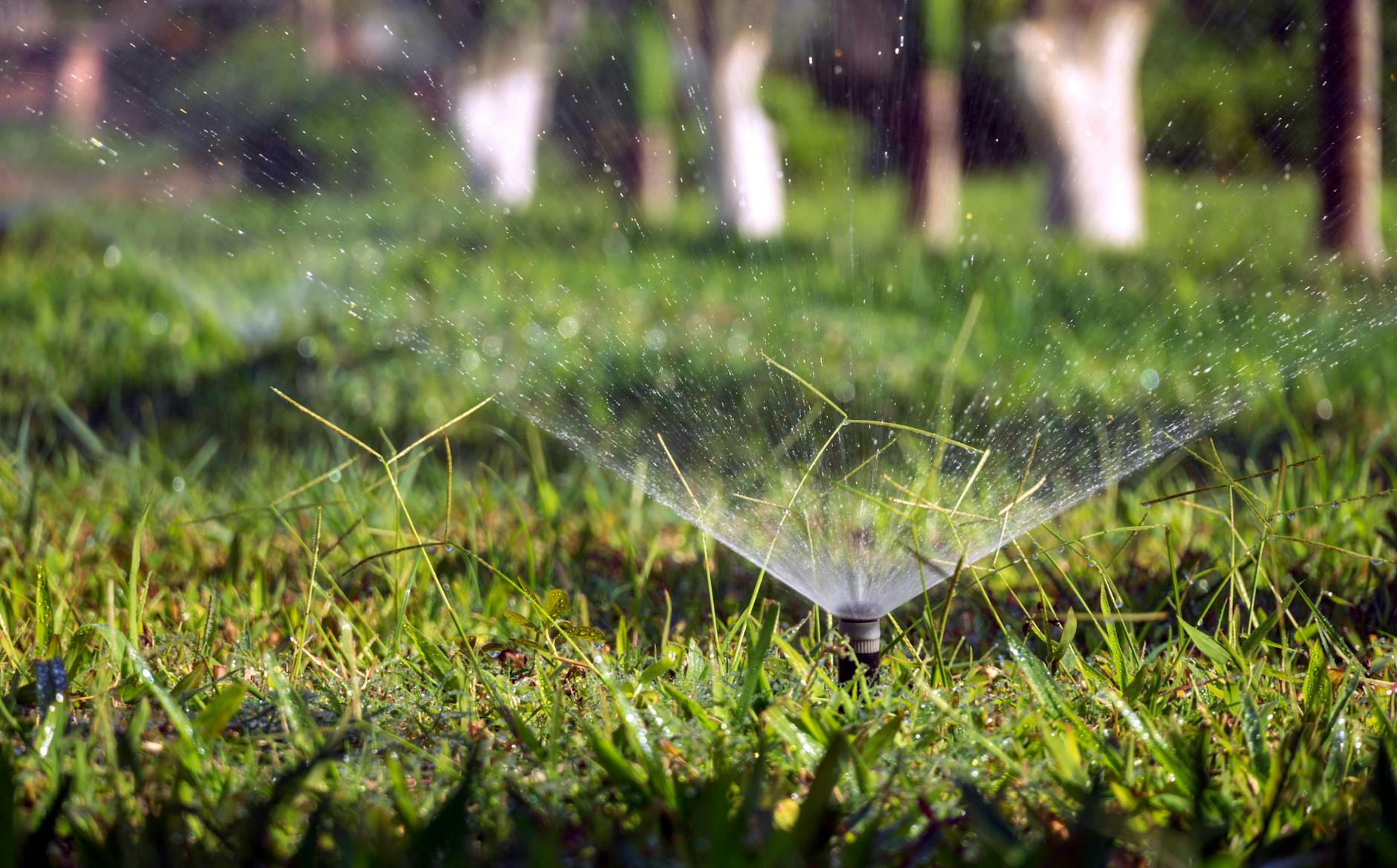
Yuba City sits at a unique intersection of microclimates and agricultural heritage, where the Feather River corridor moderates summer heat, yet the broader Sacramento valley still demands serious heat tolerance and water discipline. Crafting a refined, low-maintenance lawn here is not about fighting the climate. It is about engineering a resilient outdoor space that works with Sutter County’s natural rhythms. High-end landscape design today prioritizes efficiency over excess. A truly sustainable lawn requires deliberate soil preparation, intelligent turf selection, precision irrigation, and disciplined seasonal upkeep. When executed correctly, the result is a clean, functional green that demands less mowing, fewer inputs, and dramatically reduced water consumption. The difference between a struggling patch and a refined yard lies in methodical planning and professional-grade execution.
Understand the Sacramento Valley Soil Profile
Most residential lawns fail before the first seed germinates. The soil profile across Yuba City typically features heavy silty clay loams that expand when wet and seal when dry. This natural characteristic creates poor drainage, shallow root penetration, and chronic water waste as runoff escapes toward gutters instead of the root zone. Addressing soil structure is the non-negotiable foundation of any water-wise lawn.
Test, Don’t Guess: Soil Composition Matters
Blindly applying fertilizers or watering on a fixed schedule compounds existing soil stress. Begin with a simple percolation and composition assessment. Fill a 12-inch hole with water and time how long it takes to drain. If water sits past six hours, compaction or clay saturation is present. Pair this with a basic soil test kit to identify pH levels, sodium presence, and organic matter percentage. Yuba City’s native soils often lean slightly alkaline and can experience sodium buildup from localized hard water sources. Correcting these variables early prevents chronic thatch accumulation, fungal stress, and root suffocation.
Strategic Amendment Without Overengineering
Soil correction should enhance natural structure, not destroy it through excessive tilling. Incorporate three to four inches of high-quality, screened compost into the top six to eight inches using a broadfork or gentle core aeration. Avoid deep rotary tilling on heavy clay, as it creates a hardpan barrier that future roots cannot cross. For sodium-heavy zones, apply agricultural-grade gypsum before composting. Gypsum improves particle flocculation, allowing clay to open naturally and retain moisture without becoming waterlogged. Finish with a light rolling to settle the bed, ensuring a uniform, slightly sloped surface that directs water toward plant zones and away from structures.
Choose the Right Turf for Sutter County’s Sun
The traditional Kentucky bluegrass standard belongs in cooler coastal valleys, not inland California summers. A low-maintenance lawn in Yuba City requires drought-adapted genetics that remain dense, cool the surface, and survive thermal stress without daily irrigation.
Drought-Adapted Grass Blends
Modern turf varieties have evolved significantly. Tall fescue remains the most reliable workhorse for Sutter County, particularly newer dwarf-bladed cultivars that require less cutting and develop deep root systems. For full-sun zones with moderate foot traffic, UC Verde buffalograss thrives on 25–30 percent less water once established. Zoysiagrass offers excellent heat tolerance and wear resistance for areas near seating or fire pits. If seeding, expect a longer establishment window. If laying sod, prioritize nursery-grown specimens acclimated to hard water and high UV exposure. Avoid bargain blends filled with aggressive annuals that thin out after the first heat spike.
Microzoning Your Yard
Not every square foot requires the same treatment. High-performance lawns are designed with intentional boundaries. Reserve premium turf for functional zones: dining terraces, play areas, and clear sightlines. Transition to low-water alternatives along property perimeters, under tree canopies, or adjacent to driveways. Fine decomposed granite, crushed basalt, or native groundcovers like creeping thyme and California fescue provide visual continuity while eliminating unnecessary sprinkler demand. Microzoning reduces water bills, simplifies maintenance, and elevates the architectural feel of the exterior.
Engineer Smart Hydration, Not Just More Water
Irrigation design dictates lawn longevity. Overwatering invites shallow roots, disease, and nutrient leaching. Underwatering causes dormancy and brittle blades. The goal is precise, measured hydration that matches soil absorption rates and seasonal evapotranspiration.
Pressure Regulation and Smart Controllers
Municipal water pressure in Yuba City fluctuates seasonally, especially during peak summer draw. Install a pressure-reducing valve at the main line if output exceeds optimal range for sprinkler heads. Swap standard spray nozzles for low-flow MP rotor heads, which distribute water in slow, heavy droplets that penetrate clay rather than pooling or misting into the air. Upgrade to an EPA WaterSense smart controller with local weather station synchronization. These systems adjust run times based on real-time temperature, wind speed, and rainfall, preventing automated waste.
Cycle-and-Soak Programming
Clay soils cannot absorb high volumes of water quickly. Programming three or four short watering cycles with 45-minute rest periods between each allows moisture to infiltrate gradually without runoff. During peak summer, schedule irrigation before 6:00 AM to minimize evaporative loss and reduce leaf burn. Monitor soil moisture at a two-inch depth; the top layer will dry, but the zone below should remain consistently damp. Adjust runtime monthly, cutting back in early fall and increasing incrementally as summer approaches.
Precision Maintenance That Actually Saves Time
True low-maintenance landscaping relies on disciplined intervention, not neglect. Strategic upkeep preserves turf health, extends equipment life, and keeps the lawn looking polished with minimal weekly effort.
Mowing Height and Blade Discipline
Cutting grass short stresses the root system and invites weed incursion. Maintain a mowing height of 3.5 to 4 inches throughout the growing season. Taller blades shade the soil, retain moisture, and naturally suppress broadleaf competitors. Always remove no more than one-third of the blade length per pass, and keep mower blades sharpened every four to six hours of cutting. Clean cuts prevent tissue tearing, which leads to moisture loss and fungal entry points. Leave finely cut clippings on the surface; they decompose rapidly and return nitrogen directly to the soil matrix.
Topdressing and Aeration Rhythm
Compaction occurs naturally over time, especially in high-use areas. Core aeration twice annually, once in late spring and again in early fall, opens channels for oxygen, water, and nutrients. Follow aeration immediately with a quarter-inch layer of screened compost or a balanced sand-loam mix. Gently drag a leaf rake or lawn drag across the turf to settle the material into the holes. Avoid heavy rolling or chemical dethatching unless thatch depth exceeds three-quarters of an inch, which is rare in well-managed lawns. This rhythm rebuilds soil ecology without tearing up established grass.
Why Execution Demands Professional Precision
Theory translates to reality only through careful implementation. Soil amendment, grading, debris removal, and infrastructure upgrades require coordinated labor, proper equipment, and field-tested sequencing. Attempting complex prep without the right resources often results in uneven surfaces, drainage failures, and costly rework.
Heavy Prep, Clean Site Management
Transforming an existing yard begins with removal. Compacted turf, decomposed sod, root mats, and construction debris must be cleared efficiently. Boxpro Express coordinates targeted haul-away operations, importing clean fill, compost, or base materials exactly when the site is prepped for installation. Proper grading ensures positive drainage, protecting foundations and preventing standing water that breeds mosquitoes and root rot.
The Hand-Tool to Heavy-Machine Balance
Professional crews understand when to deploy compact equipment for soil blending, pipe routing, or laser-guided leveling, and when to switch to hand detailing around irrigation zones, hardscape edges, and mature root systems. This balance prevents damage to existing infrastructure, ensures precise sprinkler head alignment, and guarantees a clean, leveled surface ready for sod or seed. The result is a landscape that functions reliably from day one, with minimal corrective maintenance down the line.
Refining an outdoor space for Yuba City’s climate is a deliberate process that rewards forward planning, measured execution, and consistent upkeep. When soil structure, turf selection, irrigation precision, and seasonal maintenance align, water waste disappears, mowing becomes effortless, and the lawn maintains its refined appearance year-round. If you are ready to transform underperforming turf into a resilient, water-smart exterior, Boxpro Express provides coordinated site prep, material handling, and precision installation support tailored to Sutter County’s unique conditions. Call (530) 978-8081 to schedule a site assessment and begin building a lawn engineered for lasting performance.
❓ Why Choose Low-Maintenance Lawn Care?
Optimize time and resources while preserving your yard’s health. Focus on native plants and smart practices tailored to Yuba City’s climate.
❓ How Do I Maximize Water Efficiency?
Install drip irrigation and use mulch to retain soil moisture. Monitor weather forecasts to avoid overwatering.
❓ What Local Resources Support This?
Partner with Yuba City Nurseries and local extension offices for plant recommendations and workshops.
❓ How Avoid Common Mistakes?
Skip overwatering and improper fertilization. Regular inspections prevent issues.
❓ What’s the Best Time to Maintain?
Early morning or evening to reduce evaporation and stress plants.
❓ What are the best drought-resistant grass options for Yuba City lawns?
Buffalo grass and blue grama are top choices for our area. They thrive in Yuba City's climate and require 50% less water than traditional turf. We recommend these for low-maintenance, water-efficient lawns.
❓ How often should I water my lawn during the hot summer months in Yuba City?
Deep, infrequent watering works best here. Water your lawn 2-3 times per week in summer, early morning between 4-6 AM. This prevents evaporation and encourages deep root growth.
❓ Are there any local regulations in Yuba City regarding lawn watering?
Yes, Yuba City enforces watering restrictions during drought periods. Check with the city's public works department for current guidelines. We stay updated on all local regulations to help our customers comply.
❓ What maintenance tips can help reduce water usage in my lawn?
Mow high (3-4 inches) to shade soil and retain moisture. Leave grass clippings as natural mulch. Aerate annually and overseed thin spots. These steps significantly cut water needs.
❓ How can I get professional help for my water-efficient lawn in Yuba City?
Contact Boxpro Express at (530) 978-8081. As a Yuba City-based lawn care service since 2008, we specialize in low-water landscaping solutions tailored to our local soil and climate conditions.
Ready to Build in Yuba City? Design Online or Talk with Jessica.
Lock in your transparent ballpark price in 60 seconds with our interactive 3D configurator, or talk live with Jessica, our project concierge, for instant answers and next Sunday measurement walk reservations.