Don't Let Spring Storms Hide Hidden Dangers: Junk Removal Tips
Don't Let Spring Storms Hide Hidden Dangers: Junk Removal Tips Spring Storms in Yuba City The mild winter months of Yuba City often set us up for beaut...

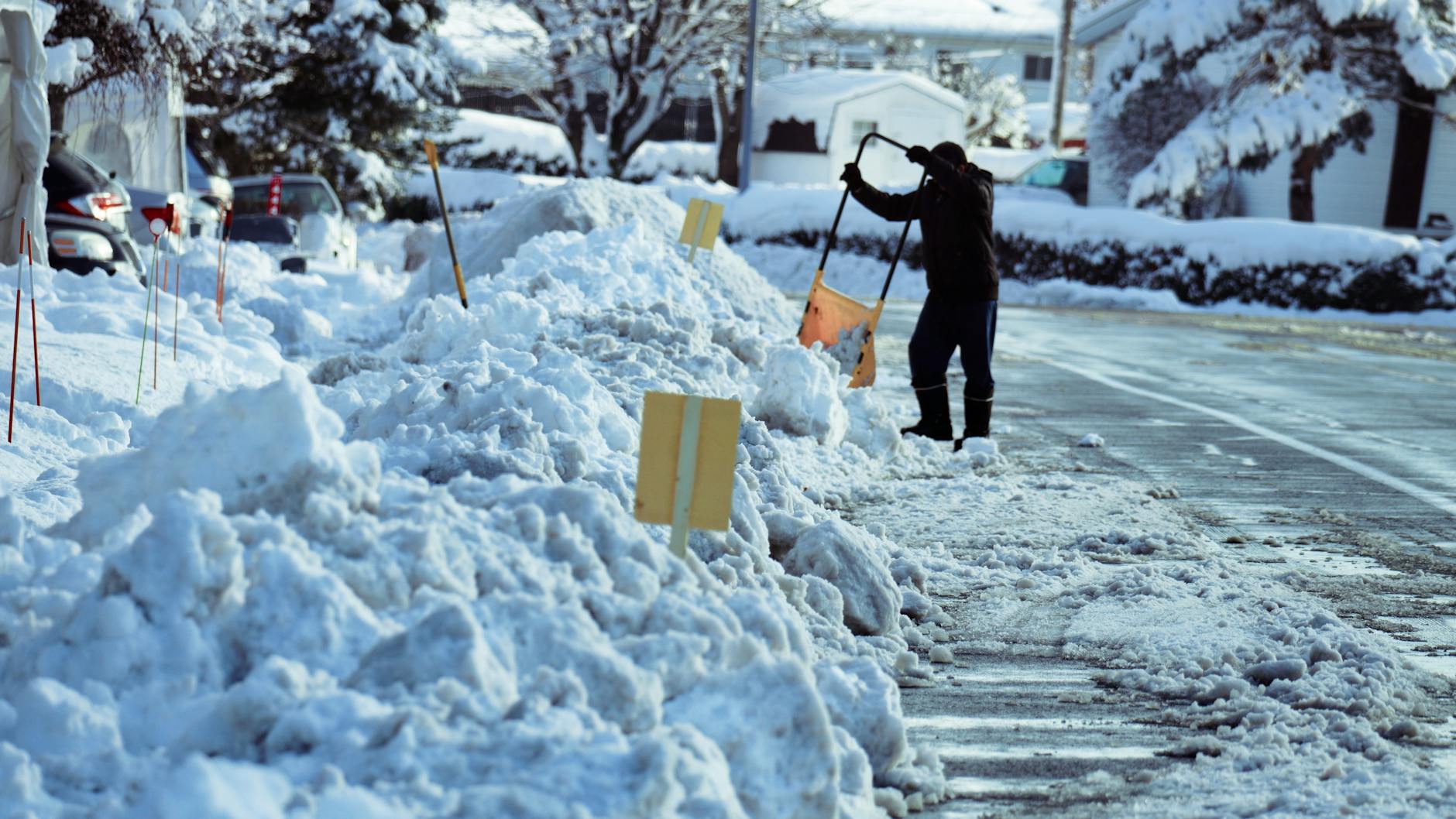
Understanding Spring Storm Dynamics in the Yuba-Sutter Region
The transition from late winter to spring in Northern California brings a complex shift in atmospheric pressure across the Sacramento Valley floor. For residents in Yuba City, Marysville, and the surrounding Sutter County corridor, this seasonal pivot typically delivers much-needed precipitation to replenish groundwater and agricultural reservoirs. However, these weather systems often move through with rapid intensity, characterized by heavy rainfall totals, sudden temperature drops, and high-velocity wind gusts that sweep across open floodplains and along the eastern foothills. The topography of the region amplifies these conditions, channeling moisture off the Sierra Nevada range and creating localized microclimates that can deposit disproportionate amounts of debris across residential zones.
The Hidden Hazards Left Behind After Spring Weather Shifts
Once the immediate storm passes and the clouds break, homeowners often focus on visible messes: scattered branches, displaced roofing materials, and waterlogged landscaping. While addressing surface-level debris is essential, the most significant property risks frequently hide in plain sight or develop quietly beneath the visible damage. Standing water trapped in poorly graded yards can compromise foundation footings, while wind-thrown branches may conceal damaged irrigation lines, compromised gas meters, or exposed electrical conduits. Organic debris that remains damp and unventilated creates an accelerated environment for fungal colonization, and heavy saturated soil can shift mature tree root systems, creating long-term instability that won't manifest until months later. Proactive identification and removal are critical to preventing secondary damage that escalates repair costs significantly.
5 Critical Local Insights for Yuba-Sutter Homeowners
1: Alluvial Soil Saturation and Tree Root Instability
Much of the residential landscape in Yuba and Marysville rests on alluvial deposits brought down from the Sierra foothills. While these soils are highly fertile, they undergo significant structural changes when fully saturated. Extended spring rainfall can temporarily liquefy the upper clay-loam layers, reducing the friction that anchors mature root systems. Homeowners should proactively monitor large oaks, valley pines, and eucalyptus stands. If soil mounds, leaning trunks, or newly cracked hardscapes appear after a heavy rain event, those trees should be evaluated immediately before professional removal crews attempt yard cleanup around their zones.
2: Microclimate Wind Shear Along the Sutter Buttes
The geological uplift of the Sutter Buttes creates a distinct wind corridor that accelerates air moving through Wheatland, Olivehurst, and the western edges of Linda. Spring thermal differentials between the hot valley floor and the cooler elevated terrain generate unpredictable wind shears that can snap overhead limbs without warning. Properties located west of Highway 99 or near the Buttes' shadow should prioritize trimming overhanging branches before seasonal fronts arrive, and always secure loose yard structures that can become airborne projectiles during sudden gusts.
3: Accelerated Fungal Growth in Yuba County Post-Rain Humidity
Spring moisture combined with Northern California's warming days creates a rapid incubation window for wood-decaying fungi. Debris piles containing wet bark, damp drywall scraps, or water-damaged subflooring can begin breaking down within 48 to 72 hours of exposure. This decomposition process compromises material integrity and releases airborne spores that can enter attic spaces or crawl areas through vents. Clearing storm debris quickly and keeping it away from home exteriors significantly reduces the probability of long-term moisture migration and subsequent indoor air quality degradation.
4: Navigating Local Storm Debris Disposal Routing
Post-storm cleanup generates mixed material volumes that cannot be uniformly processed at standard landfill intake zones. Sutter County and Yuba County waste facilities require strict segregation of organic yard waste, treated lumber, construction materials, and household refuse. Professional clearance teams utilize local transfer station protocols to sort loads on-route, ensuring that untreated branches are diverted to composting or biomass facilities while hazardous materials are handled separately. Homeowners attempting DIY clearance often pay higher gate fees due to mixed loads or material misclassification.
5: Protecting Drainage Infrastructure Near Feather and Bear Rivers
Properties situated near the Feather River basin or Bear River tributaries experience higher baseline moisture and require meticulous storm drainage maintenance. When storm debris washes into culverts, French drains, or roadside swales, it creates immediate blockages that force water onto neighboring lots or back under home foundations. Professional debris clearing should always include perimeter water-flow evaluation to verify that downspouts, yard drains, and municipal swales remain unobstructed throughout the wet season.
Why Professional Storm Debris Management Outperforms DIY Cleanup
Attempting to manage post-storm clearance independently carries substantial physical and logistical challenges. Homeowners frequently underestimate the weight of waterlogged materials, the complexity of navigating uneven terrain with heavy loads, and the equipment required to safely process large-diameter branches. Professional operators utilize purpose-built extraction vehicles, reinforced strapping systems, and mechanized lifting protocols that eliminate the back strain, cut risks, and trip hazards commonly associated with amateur cleanup efforts.
Mitigating Personal Injury Risks
Storm yards become unpredictable environments where hidden nails, splintered wood, jagged metal, and unstable footing create a high-liability landscape. Trained crews deploy cut-resistant gear, steel-toed footwear, and systematic sweep patterns to clear zones safely. By allowing experienced technicians to manage heavy lifting and sharp material extraction, homeowners avoid common seasonal injuries such as muscle strains, lacerations, and falls on uneven, debris-covered ground.
Preserving Landscape Integrity
Improper debris dragging can tear up healthy turf, damage underground sprinkler manifolds, and gouge decorative hardscapes. Boxpro Express utilizes protective boarding, controlled rolling techniques, and precision load positioning to keep your landscaping intact. We prioritize property preservation alongside complete clearance, ensuring your yard survives the cleanup process without additional remediation costs.
The Boxpro Express Clearance Protocol
Phase One: Comprehensive Hazard Mapping
Every engagement begins with a systematic property evaluation. Technicians identify high-risk zones, map optimal vehicle access points, and catalog material types before equipment touches the ground. This assessment ensures that heavy branches, water-damaged fencing, and scattered structural components are prioritized in the correct sequence.
Phase Two: Systematic Load and Haul
Using industrial-grade hauling trucks and secure containment systems, crews execute targeted removal operations. Yard debris is separated from construction remnants, while household items are stacked to maximize volume efficiency. The process focuses on rapid turnaround without sacrificing thoroughness, clearing driveways, sidewalks, and perimeter zones for safe family movement.
Phase Three: Property Sanitation and Final Walkthrough
Once loads are secured, teams conduct a final sweep to gather residual fragments, clear drainage grates, and remove smaller scattered pieces often missed during bulk extraction. A joint walkthrough with the property owner verifies complete satisfaction and confirms that access routes remain clear for any follow-up contractors addressing structural or roofing concerns.
Transparent Cost Structures and Service Variables
Pricing for storm debris clearance depends on volume, material density, accessibility constraints, and localized routing requirements. Standard residential lots with straightforward yard access typically require lower resource allocation than properties with narrow gates, steep driveways, or multi-story structures that demand manual stair carries. We provide upfront, detailed estimates before any work begins, breaking down labor time, disposal fees, and equipment usage so homeowners know exactly what to expect. Peak spring demand windows can influence scheduling, so securing service early in the storm cycle helps maintain predictable pricing and guaranteed availability.
Storm Debris Removal Frequently Asked Questions
Q: What specific materials qualify for storm debris clearance?
A: Our crews handle a comprehensive range including fallen branches, leaf litter, damaged fencing, broken hardscape, water-damaged drywall, saturated insulation, discarded household items, yard equipment rendered unusable, and mixed residential refuse. We separate materials appropriately for compliant local disposal routing.
Q: How quickly can Boxpro Express respond after a major weather event?
A: Service timelines depend on current queue volume and accessibility conditions. We prioritize emergency clearance requests where debris blocks driveways, compromises walkways, or threatens drainage flow. Same-day and next-day appointments are frequently available when crews are on rotation in the Marysville and Yuba City corridors.
Q: Can you assist with properties that have limited vehicle access?
A: Yes. Our teams are trained to operate in tight urban neighborhoods, alleys, and properties with restricted gate clearance. When large trucks cannot reach the debris zone, we implement manual relay extraction, compact staging, and portable load transfer methods to ensure complete clearance without property damage.
Q: What happens if storm debris has contaminated local waterways?
A: Preventing runoff blockage is a primary objective. We strategically clear perimeter drains, roadside swales, and creek-adjacent debris before it migrates into municipal systems. For extensive waterway encroachment, we coordinate with local watershed management guidelines to ensure materials are removed without disturbing protected riparian banks.
Secure Your Property Before the Next Front Arrives
Spring storms in the Sacramento Valley deliver necessary moisture but leave behind substantial clearance demands. Addressing debris promptly protects your home's structural envelope, prevents secondary moisture damage, and maintains a safe environment for your household. Rather than allowing yard obstructions and scattered materials to compound into costly repairs, partner with a crew that understands local topography, regional waste protocols, and the specific weather patterns that impact Northern California properties.
Boxpro Express brings methodical clearance strategies, transparent communication, and reliable execution to every engagement across Yuba City, Marysville, Linda, Live Oak, Plumas Lake, Olivehurst, Wheatland, and the broader Sutter County region. We focus on thorough removal, preserved landscaping, and predictable service scheduling so you can return to normalcy without extended downtime or uncertainty.
Take control of your property's post-storm condition and eliminate hidden hazards before they compromise your home's integrity.
Call (530) 978-8081 for service.
Ready to Get Started?
Call Boxpro Express today for a free estimate on your project in Yuba City and surrounding areas.
Call (530) 978-8081